Choosing the right deadbolt is a crucial step in securing your home or business. With advancements in lock technology, property owners now face a choice between traditional keyed deadbolts and modern keyless alternatives. Understanding the differences, benefits, and potential drawbacks of each can help you make an informed decision that fits your lifestyle and security needs. This keyed vs keyless deadbolt comparison will break down the essential factors to consider, from convenience and security to installation and maintenance.
Before diving into the details, it’s important to recognize how your choice of deadbolt can impact not only your daily routine but also broader aspects such as insurance and overall property safety. For a deeper look at how deadbolts relate to insurance coverage, see deadbolt lock and home insurance.
Understanding the Basics: Keyed and Keyless Deadbolts Explained
Deadbolts are a staple of residential and commercial security. They come in two primary forms: keyed and keyless. Each offers unique features and caters to different preferences and security requirements.
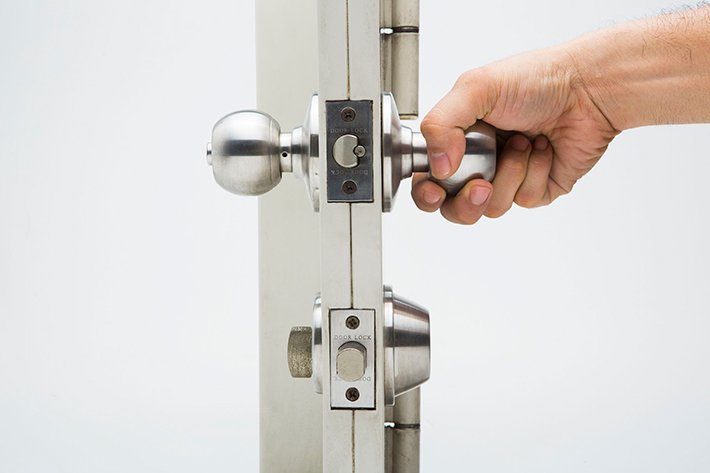
- Keyed deadbolts require a physical key for operation. They have been the standard for decades and are known for their reliability and simplicity.
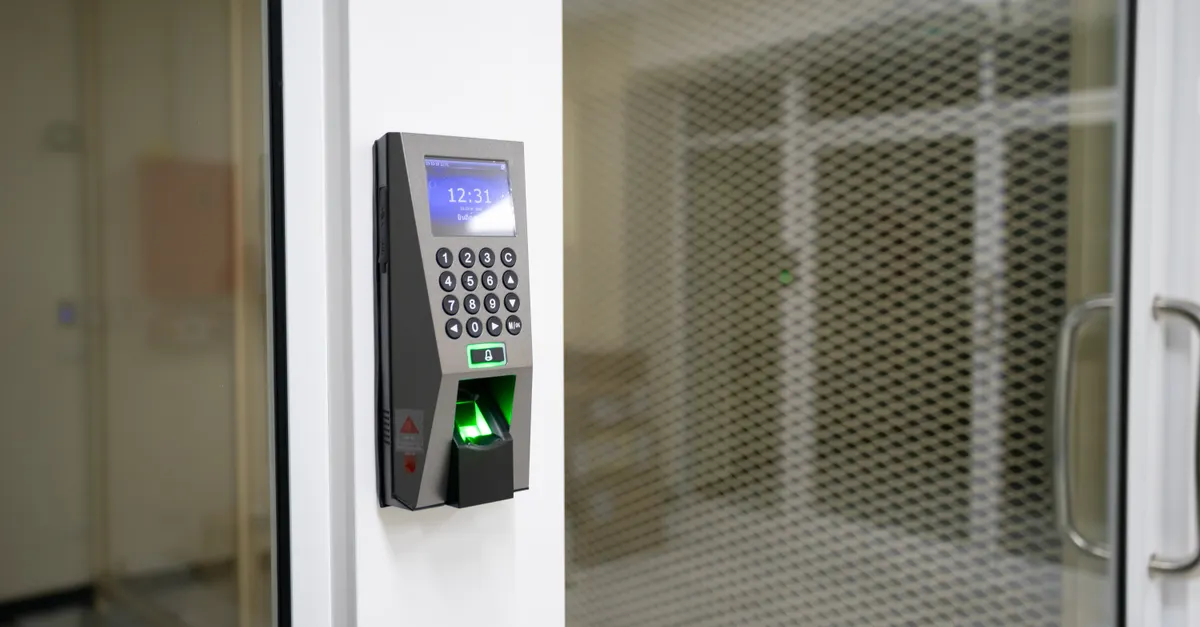
- Keyless deadbolts use electronic or mechanical mechanisms, such as keypads, fingerprint scanners, or smart devices, to grant access without a traditional key.
Both types can be highly secure, but the way they function and the user experience they provide are quite distinct. This keyed vs keyless deadbolt comparison will help clarify which might be the better fit for your needs.
Security Features: How Do They Stack Up?
Security is the top priority when selecting a deadbolt. Both keyed and keyless options can offer robust protection, but there are differences worth noting:
- Keyed deadbolts are generally resistant to electronic hacking but may be vulnerable to lock picking or bumping if not properly designed.
- Keyless deadbolts eliminate the risk of lost or stolen keys and often include advanced features like auto-locking, alarm integration, and temporary access codes. However, they can be susceptible to electronic tampering if not properly secured.
For additional insights into lock vulnerabilities and how to strengthen your entry points, consider reading about how burglars bypass weak locks.
Convenience and Everyday Use
One of the main reasons people consider keyless options is convenience. Here’s how each type compares in daily scenarios:
- Keyed deadbolts require carrying a key at all times. This can be inconvenient if you frequently misplace keys or need to provide access to guests or service providers.
- Keyless deadbolts allow entry via code, smartphone, or biometric scan. This is ideal for families, rental properties, or anyone who values quick, key-free access.
Some keyless models also offer remote locking and unlocking, making them suitable for smart home integration.

Installation and Maintenance: What to Expect
The process of installing and maintaining your deadbolt can vary significantly between keyed and keyless models:
- Keyed deadbolts are typically straightforward to install, often fitting into existing door preparations. Maintenance is minimal, usually limited to occasional lubrication and key replacement if lost.
- Keyless deadbolts may require more complex installation, especially if wiring or smart home integration is involved. Battery replacement and software updates are ongoing maintenance considerations.
Improper installation can compromise security for both types. To avoid common pitfalls, check out tips on deadbolt installation mistakes to avoid.
Cost Considerations: Upfront and Long-Term
Budget is always a factor in home improvement decisions. Here’s a breakdown of the typical costs associated with each deadbolt type:
- Keyed deadbolts are generally less expensive upfront. Replacement keys and rekeying services are affordable, but costs can add up if keys are frequently lost.
- Keyless deadbolts have a higher initial price due to advanced technology. However, they can save money in the long run by reducing the need for locksmith visits and key duplication.
When evaluating price, consider the value of added features and the potential for future upgrades.
Durability and Reliability Over Time
Both types of deadbolts are designed for long-term use, but their reliability can differ based on environment and usage:
- Keyed deadbolts are mechanical and less likely to be affected by power outages or electronic malfunctions. They are a solid choice for areas with extreme weather or unreliable electricity.
- Keyless deadbolts rely on batteries or electrical power. Most models have backup options, but regular maintenance is required to ensure consistent operation.
For more on the different types of deadbolts and their unique characteristics, see this comprehensive guide to deadbolt lock types.
Which Deadbolt Is Right for You? Key Factors to Consider
Deciding between a keyed and keyless deadbolt comes down to your specific needs and preferences. Consider the following questions:
- Do you prefer the simplicity of a traditional key, or the convenience of code-based access?
- Is smart home integration important to you?
- How often do you need to grant temporary access to others?
- Are you comfortable maintaining electronic devices, or do you prefer low-maintenance options?
- What is your budget for both installation and ongoing maintenance?
Each option offers strong security, but your lifestyle and property requirements will determine the best fit. For those seeking to maximize security, combining a high-quality deadbolt with additional reinforcements can be effective. Learn more about best door reinforcement for deadbolts to further boost your protection.
Common Myths and Misconceptions
There are several myths surrounding both keyed and keyless deadbolts. Some believe that electronic locks are inherently less secure, while others think traditional locks are outdated. In reality, both types can be highly secure when properly installed and maintained. For more on separating fact from fiction, see deadbolt lock myths explained.
FAQ: Keyed and Keyless Deadbolt Choices
Are keyless deadbolts as secure as traditional keyed locks?
Yes, many keyless deadbolts offer security features equal to or exceeding those of keyed models. Look for options with strong encryption, tamper alarms, and robust construction. Proper installation and regular updates are essential for maintaining security.
What happens if the battery dies on a keyless deadbolt?
Most keyless deadbolts include backup entry methods, such as a physical key or emergency power supply. Regularly checking battery levels and replacing them as needed will help prevent lockouts.
Can I install a keyless deadbolt myself?
Some keyless models are designed for DIY installation, especially those that fit standard door preparations. However, smart locks with advanced features may require professional installation to ensure proper function and integration with other systems.