Deadbolts are a crucial part of any home security system, but even the best lock can be rendered ineffective by improper installation. Many homeowners and even some professionals make errors that compromise the strength and reliability of a deadbolt. Understanding the most common deadbolt installation mistakes to avoid can help you protect your property and loved ones more effectively.
Whether you’re installing a new lock yourself or hiring someone to do it, being aware of these pitfalls is essential. In this guide, we’ll break down the most frequent errors, explain why they matter, and offer practical advice to ensure your deadbolt provides the security you expect. If you want to further enhance your door’s resistance to forced entry, consider reading about the best door reinforcement for deadbolts for additional tips.
Why Proper Deadbolt Installation Matters
Deadbolts are designed to resist forced entry, but their effectiveness depends on correct installation. A poorly fitted lock can be easily bypassed, no matter how strong the hardware itself is. Common deadbolt installation mistakes often create weak points that intruders can exploit. Avoiding these errors is a simple yet powerful way to improve your home’s security.
Common Deadbolt Installation Mistakes to Avoid
Let’s explore the most frequent errors people make when installing deadbolts and how to prevent them.
Incorrect Alignment of the Lock and Strike Plate
One of the most overlooked deadbolt installation mistakes to avoid is misaligning the lock and the strike plate. If the bolt doesn’t slide smoothly into the strike plate, you may need to force the lock, which can wear down components and make the door harder to secure. Worse, a misaligned strike plate often means the bolt isn’t fully extended, leaving your door vulnerable to being kicked in.
- Always check that the bolt extends fully into the strike plate hole.
- Test the lock several times before finishing installation.
- If the bolt sticks, adjust the strike plate or door frame until it operates smoothly.
Using Short Screws in the Strike Plate
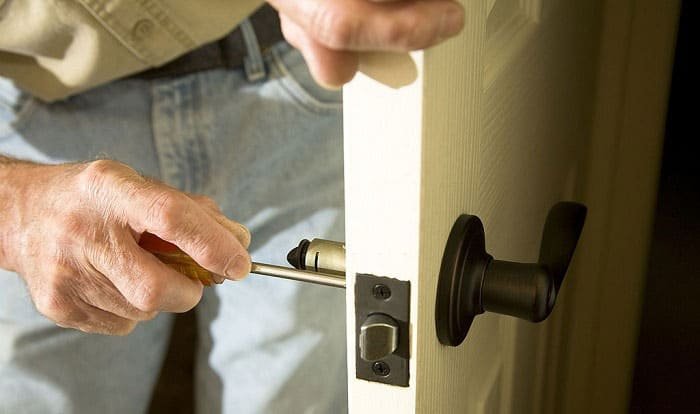
Another frequent error is using short screws to attach the strike plate to the door frame. Short screws only anchor the plate to the trim, which can be easily broken during a forced entry attempt. For maximum strength, use 3-inch screws that reach deep into the wall stud behind the frame. This simple upgrade dramatically increases your door’s resistance to being kicked in.
- Replace any factory-provided screws with longer, heavy-duty ones.
- Ensure screws penetrate the wall stud, not just the door jamb.
Drilling an Inadequate Hole for the Deadbolt
Some installations fail because the hole for the deadbolt isn’t deep or wide enough. If the bolt cannot fully extend, the lock won’t function as intended. Always follow the manufacturer’s specifications for hole size and depth. Use a spade bit or hole saw of the correct diameter, and double-check measurements before drilling.
Installing the Deadbolt Too Close to the Door Edge
Placing the deadbolt too close to the edge of the door weakens the wood and makes it easier to break. The standard setback for most deadbolts is 2-3/8″ or 2-3/4″ from the edge. Measure carefully and use a template if provided. A properly positioned lock distributes force more effectively and resists prying or kicking attacks.
Neglecting to Reinforce the Door Frame
Even the best deadbolt won’t help if the door frame is weak. Many break-ins occur because the frame splinters under force. Reinforcing the frame with a metal strike plate or a door jamb reinforcement kit can make a significant difference. For more on this topic, see our earlier suggestion on door reinforcement for deadbolts.
Choosing the Wrong Type of Deadbolt
Not all deadbolts are created equal. Some are designed for interior use only, while others offer higher security for exterior doors. Understanding the different types of deadbolt locks can help you select the right one for your needs. Look for locks that meet ANSI Grade 1 or 2 standards for exterior doors.
Ignoring Lock Grade and Security Standards
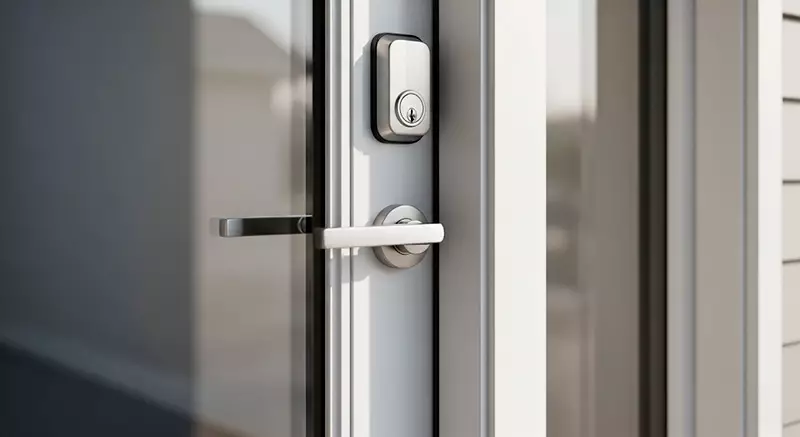
Some people install inexpensive locks without considering their security rating. Locks are graded by the American National Standards Institute (ANSI) based on their strength and durability. For exterior doors, always choose a deadbolt with a high grade. If you’re unsure, our ANSI lock grade guide explains what these ratings mean and how to choose the best option.
Improper Installation Tools and Techniques
Using the wrong tools or rushing the job can lead to misaligned holes, stripped screws, or damaged hardware. Take your time and follow the manufacturer’s instructions closely. If you’re not confident in your skills, it may be worth hiring a professional locksmith to ensure the job is done right.
Tips for a Secure Deadbolt Installation
- Read all instructions before starting the installation.
- Use a template to mark holes accurately.
- Check that the bolt extends fully and operates smoothly.
- Upgrade screws and reinforce the strike plate for added strength.
- Test the lock multiple times before considering the job complete.
Other Considerations for Maximum Security
Beyond avoiding the most common deadbolt installation mistakes to avoid, consider these additional steps for better protection:
- Install a high-quality deadbolt on every exterior door, including garage and back doors.
- Consider double-cylinder deadbolts for doors with glass panels, but be aware of fire safety concerns.
- Regularly inspect and maintain your locks to ensure they remain in good working order. If you encounter problems, refer to a deadbolt lock troubleshooting guide for solutions.
- Childproof locks if you have young children in the home. For guidance, see our article on how to childproof a deadbolt.
Frequently Asked Questions
What is the most common mistake when installing a deadbolt?
The most frequent error is misaligning the deadbolt and strike plate, which prevents the bolt from fully extending. This weakens the lock and makes it easier for intruders to force the door open.
How can I make my deadbolt installation more secure?
Use long screws (at least 3 inches) in the strike plate, reinforce the door frame, and ensure the lock is properly aligned. Choose a deadbolt with a high ANSI grade for maximum protection.
Do I need a professional to install a deadbolt?
While many homeowners can install a deadbolt with basic tools, hiring a professional ensures the lock is fitted correctly and securely. If you’re unsure about any step, it’s best to consult an expert to avoid compromising your security.