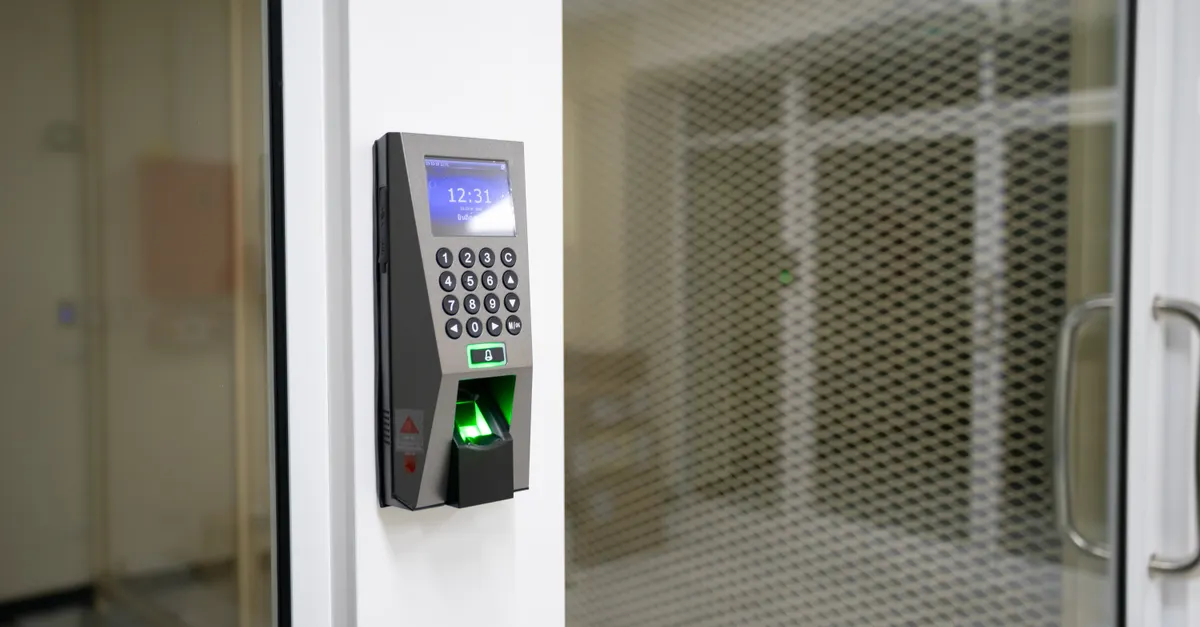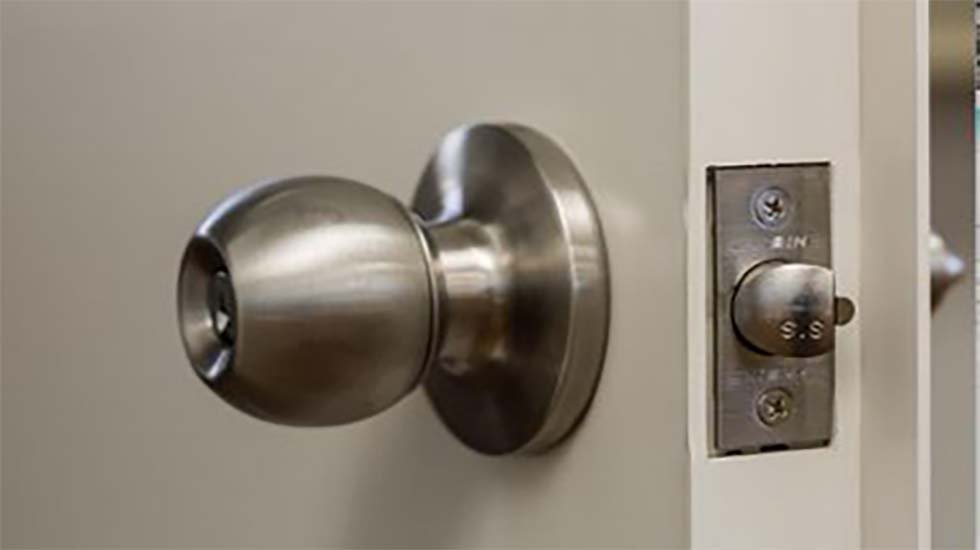
Securing your home or business starts with a strong entry point. While deadbolts are a popular choice for protecting doors, even the most robust lock can be vulnerable if the surrounding door frame and hardware are weak. Investing in the best door reinforcement for deadbolts is a practical way to significantly enhance your property’s safety and deter forced entry attempts.
This guide explores the most effective reinforcement options, what to look for when upgrading your door security, and how to ensure your deadbolt setup offers maximum protection. If you’re curious about how long your deadbolt will last or want to understand lock grades, you might also find our how long do deadbolt locks last resource helpful.
Why Door Reinforcement Matters for Deadbolt Security
Deadbolts are only as strong as the door and frame they’re installed in. Many break-ins occur not because the lock is picked, but because the door or jamb is kicked in, bypassing the lock entirely. Reinforcement hardware addresses these weak points by strengthening the areas most likely to fail under force.
Common vulnerabilities include:
- Thin or hollow-core doors
- Short screws securing the strike plate
- Weak door jambs
- Unprotected hinges
By addressing these issues, you can turn a standard entryway into a formidable barrier against intruders.
Types of Door Reinforcement Hardware for Deadbolts
There are several categories of products designed to reinforce doors equipped with deadbolts. Choosing the right combination can dramatically improve your security.
Strike Plate Upgrades
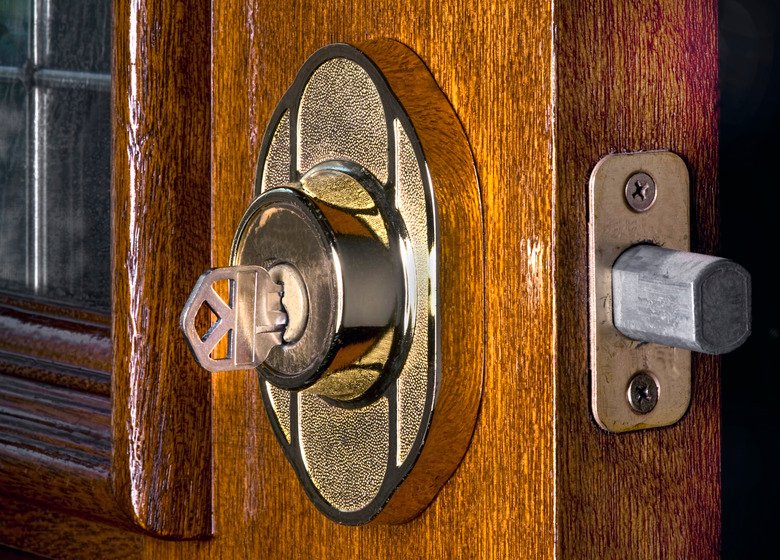
The strike plate is the metal plate attached to the door frame where the deadbolt latches. Standard plates are often thin and held by short screws. Reinforced strike plates are made from thicker steel and use long screws (at least 3 inches) that anchor deep into the wall stud, not just the frame. This simple upgrade can make it much harder for someone to kick in the door.
Door Jamb Reinforcement Kits
These kits typically include a long metal plate or set of plates that reinforce the entire length of the door jamb. They distribute force over a larger area, making it extremely difficult to split the frame. Some products also include additional hardware for the lock area and hinges for comprehensive protection.
Hinge Reinforcement
Hinges are another common failure point. Reinforcement options include hinge shields and longer screws that secure the hinges to the wall stud. This prevents the door from being removed or forced open from the hinge side.
Door Edge Guards and Wraps
Edge guards are metal sleeves that wrap around the edge of the door, protecting it from splitting where the deadbolt enters. They’re especially useful for older or wooden doors that may be more prone to damage.
How to Choose the Right Reinforcement for Your Deadbolt
Not all doors and deadbolts are the same, so it’s important to select reinforcement products that match your specific needs. Here’s what to consider:
- Material: Look for hardware made from heavy-duty steel or similar robust materials.
- Compatibility: Ensure the reinforcement kit fits your door’s thickness and deadbolt placement.
- Installation: Some products require only basic tools, while others may need professional installation. Choose what matches your skill level.
- Certification: Hardware that meets recognized security standards, such as ANSI Grade 1, offers proven resistance to forced entry. For more on lock grades, see our ANSI lock grade guide.
- Aesthetics: Many modern reinforcement kits are designed to blend in with your door’s appearance.
Installation Tips for Door Reinforcement Hardware
Proper installation is key to getting the most out of your security upgrades. Here are some best practices:
- Use long screws: Replace all short screws in strike plates and hinges with screws at least 3 inches long. This anchors the hardware into the wall stud.
- Follow manufacturer instructions: Each product is different, so read the directions carefully for optimal placement and attachment.
- Check alignment: Ensure the deadbolt extends fully into the reinforced strike plate without sticking or binding.
- Test the door: After installation, open and close the door several times to confirm smooth operation and security.
If you’re not comfortable with DIY installation, a locksmith can help ensure everything is fitted correctly.
Additional Steps to Improve Door Security
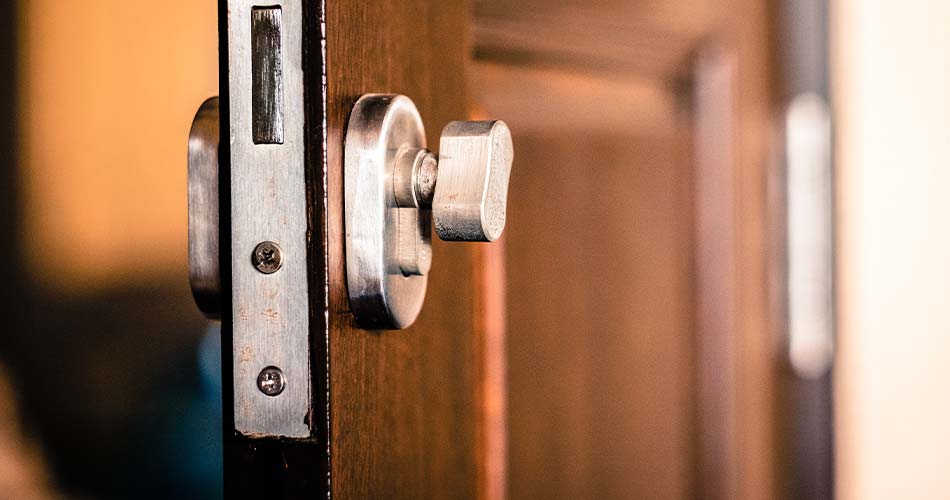
While reinforcing the area around your deadbolt is crucial, consider these extra measures for even greater protection:
- Install a solid-core or metal door if your current one is hollow or weak.
- Use a high-quality deadbolt that resists picking and bumping. Learn about different types of deadbolts to choose the best option for your needs.
- Add a secondary locking mechanism, such as a door security bar or chain.
- Consider reinforcing sliding doors and other exterior entry points.
- Maintain your locks with regular cleaning and lubrication. For tips, see our how to lubricate a deadbolt lock guide.
Combining these strategies with robust reinforcement hardware creates a layered defense that can deter even determined intruders.
Common Mistakes to Avoid When Reinforcing Doors
Even the best products can be undermined by incorrect installation or overlooked vulnerabilities. Here are some pitfalls to watch out for:
- Using only short screws that don’t reach the wall stud
- Reinforcing the strike plate but ignoring the hinges
- Failing to address a weak or damaged door slab
- Neglecting regular maintenance, which can lead to misalignment or sticking locks
- Assuming a single upgrade is enough—layered security is always more effective
By avoiding these mistakes, you maximize the effectiveness of your investment in door security.
FAQ: Door Reinforcement and Deadbolt Security
How effective are door reinforcement kits at preventing break-ins?
High-quality reinforcement kits can make it extremely difficult for intruders to force entry by kicking or prying the door. When installed correctly, these products strengthen the door frame and lock area, often withstanding several hundred pounds of force.
Can I install door reinforcement hardware myself?
Many reinforcement products are designed for DIY installation with basic tools. However, for best results—especially with more complex kits or if your door/frame is damaged—consider hiring a professional locksmith.
Will reinforcing my door affect how my deadbolt works?
Properly installed hardware should not interfere with normal lock operation. In fact, it can help keep your deadbolt aligned and functioning smoothly. If you notice sticking or difficulty turning the key after installation, check for misalignment and adjust as needed.
What else can I do to childproof or maintain my deadbolt?
For families, adding childproofing devices can prevent accidental lockouts or injuries. See our how to childproof a deadbolt article for practical tips. Regular maintenance, such as cleaning and lubricating the lock, also helps ensure long-term reliability.
Conclusion: Building a Stronger First Line of Defense
Upgrading your entryway with the best door reinforcement for deadbolts is a smart, cost-effective way to protect your home or business. By choosing the right products, installing them correctly, and combining them with other security measures, you can significantly reduce the risk of forced entry and gain greater peace of mind. Remember, security is most effective when approached in layers—start with your deadbolt, reinforce the surrounding hardware, and maintain your system for lasting protection.