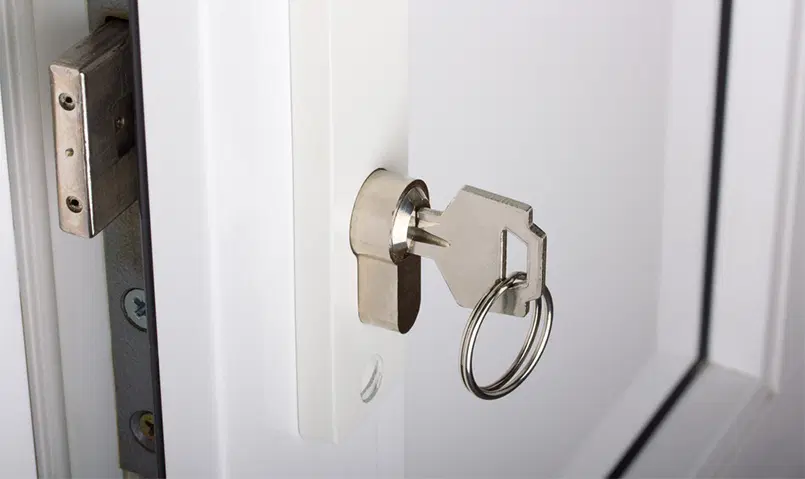
Deadbolts are often seen as the gold standard for home security, but there are many misconceptions about how they work and what they can actually do. With so much conflicting information online and among homeowners, it’s easy to get confused about what’s true and what’s exaggerated. In this guide, we’ll break down some of the most common deadbolt lock myths explained and separate fact from fiction, so you can make informed decisions about your home’s safety.
Understanding the real strengths and limitations of deadbolts is essential for anyone looking to protect their property. Whether you’re considering upgrading your locks or just want to know how secure your current setup is, it’s important to know which beliefs are based on reality and which are simply outdated or misleading.
For those curious about the durability of their locks, you might also find it helpful to read about how long do deadbolt locks last and learn tips for extending their lifespan and performance.
Common Misconceptions About Deadbolt Security
Deadbolts have been a staple in home security for decades, but several myths persist about their effectiveness and vulnerabilities. Let’s look at some of the most widespread misunderstandings and clarify what’s actually true.
Myth 1: All Deadbolts Offer the Same Level of Protection
One of the most common deadbolt lock myths explained is the belief that every deadbolt, regardless of price or brand, provides equal security. In reality, deadbolts vary significantly in quality, strength, and resistance to forced entry. Factors such as the material of the bolt, the length of the throw (how far the bolt extends into the door frame), and the lock’s certification all play a role in its effectiveness.
For example, locks rated by the American National Standards Institute (ANSI) are graded based on durability and security. Grade 1 deadbolts offer the highest level of protection, while Grade 3 is considered basic. If you want to learn more about these standards, check out this ANSI lock grade guide for a detailed breakdown.
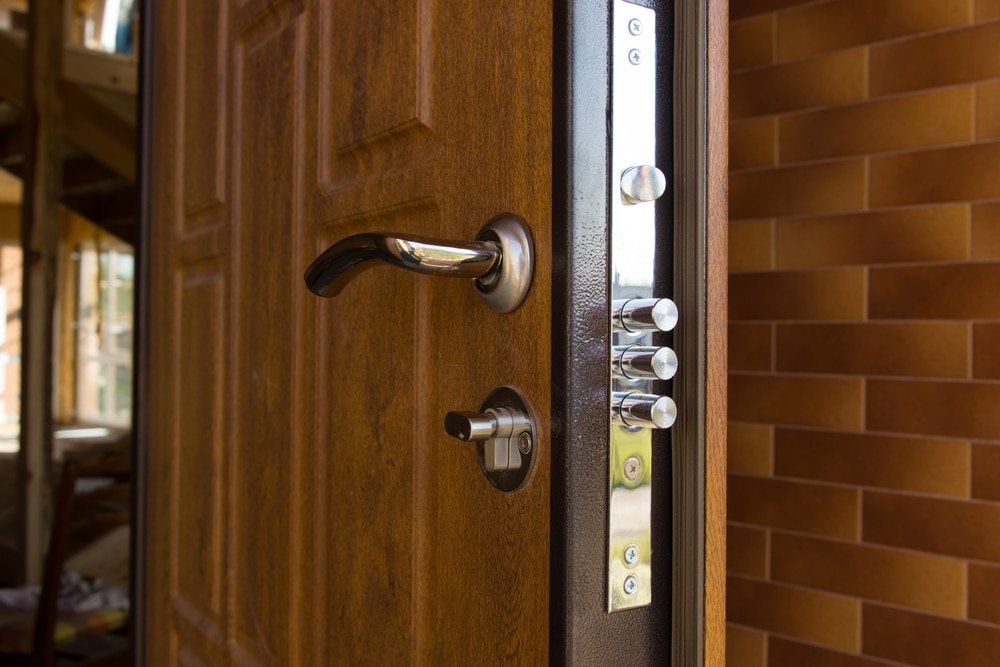
Myth 2: Deadbolts Are Impossible to Pick or Bypass
Another persistent myth is that deadbolts are completely pick-proof. While high-quality deadbolts are much harder to pick than standard spring bolt locks, no lock is entirely immune to manipulation. Skilled intruders with the right tools and enough time can pick or bump even well-made deadbolts, though it’s far less common than forced entry methods like kicking or drilling.
To reduce the risk of picking, consider using locks with security pins or anti-bump features. Regular maintenance, such as following a guide to lubricating a deadbolt lock, can also help keep your lock functioning smoothly and make it harder for criminals to exploit weaknesses.
Myth 3: Installing a Deadbolt Is Enough for Complete Security
Many homeowners assume that simply adding a deadbolt to their door guarantees safety. However, a lock is only as strong as the door and frame it’s installed in. Weak frames, hollow-core doors, or short screws in the strike plate can all undermine the effectiveness of even the best deadbolt.
For optimal protection, use a solid-core or metal door and reinforce the strike plate with long screws that reach into the wall stud. This makes it much harder for someone to kick in the door or force the lock open.
Separating Fact from Fiction: What Deadbolts Really Do
Now that we’ve addressed some of the most common deadbolt lock myths explained, let’s focus on what these locks actually provide and where their true value lies.
Deadbolts Are a Strong Deterrent—But Not Invincible
Deadbolts are designed to resist forced entry better than standard locks. The solid metal bolt extends deep into the door frame, making it much harder to pry or force open. However, determined intruders may still find ways to bypass them, especially if the surrounding hardware is weak or improperly installed.
Pairing a quality deadbolt with other security measures—such as reinforced doors, security cameras, and good lighting—offers the best protection. For more tips on handling issues with your lock, refer to a comprehensive deadbolt lock troubleshooting guide.
Key Control and Lock Maintenance Matter
Even the best deadbolt can be compromised if keys are lost, copied, or fall into the wrong hands. Practicing good key control—such as rekeying locks after moving or when keys are lost—reduces the risk of unauthorized access. Regular maintenance, including cleaning and lubricating, ensures the lock operates smoothly and remains resistant to tampering.
For families with young children, it’s also important to learn how to childproof a deadbolt to prevent accidental lockouts or safety hazards.
Smart Deadbolts and Modern Security Features
Some believe that traditional mechanical deadbolts are outdated compared to smart locks. While electronic options offer convenience and remote access, a high-quality mechanical deadbolt remains a reliable choice for many homes. Some modern deadbolts combine both features, offering keyless entry, alarms, and integration with home security systems. The key is to choose a lock that fits your security needs and lifestyle.
If you’re interested in a deeper dive into deadbolt technology and security, the Schlage home security blog provides expert insights on lock types, installation, and maintenance.
Frequently Asked Questions About Deadbolt Locks
Are all deadbolts resistant to drilling and forced entry?
No, not every deadbolt is equally resistant to drilling or physical attacks. High-security models often include hardened steel inserts and anti-drill features, while budget options may lack these protections. Always check for certifications and security features before purchasing.
Can a deadbolt be picked or bumped easily?
Quality deadbolts are designed to resist picking and bumping, but no lock is completely immune. Choosing models with security pins and anti-bump technology, and keeping your lock well-maintained, can make unauthorized entry much more difficult.
Is it necessary to replace my deadbolt if I lose a key?
Yes, if you lose a key or suspect it has been copied, it’s best to rekey or replace your deadbolt. This prevents anyone with the lost key from gaining access to your home, maintaining your security.
Conclusion: Making Informed Choices About Home Security
Understanding the facts behind deadbolt lock myths explained helps you make smarter choices for your home’s protection. Not all deadbolts are created equal, and relying on outdated or inaccurate information can leave you vulnerable. By investing in quality hardware, reinforcing your doors, and practicing good key management, you can significantly improve your home’s security. Stay informed, and don’t hesitate to consult a professional locksmith for personalized advice.