Home security is a top concern for many people, but even the most careful homeowners can overlook the vulnerabilities of their door locks. Understanding how burglars bypass weak locks is crucial for protecting your property and loved ones. Criminals often exploit common weaknesses in residential locks, using surprisingly simple tools and techniques to gain entry. By learning about these methods and how to counter them, you can make your home a much less attractive target.
In this guide, we’ll break down the most common ways intruders defeat subpar locks, the warning signs your current setup may be at risk, and practical steps to upgrade your security. We’ll also point you to resources that help you choose and maintain high-quality locks for lasting peace of mind. For those interested in the durability and care of their current deadbolts, our article on how long do deadbolt locks last offers valuable insights.
Common Techniques Used to Defeat Insecure Locks
Criminals are always searching for the path of least resistance. When it comes to breaking into homes, they often rely on tried-and-true methods that exploit the flaws of basic or poorly maintained locks. Here are some of the most frequent tactics used to bypass weak locking mechanisms:
- Lock Picking: With simple tools, experienced burglars can manipulate the pins inside a standard lock cylinder, opening the door in seconds without leaving visible damage.
- Bumping: A “bump key” is a specially cut key that, when tapped, forces the pins into alignment and unlocks the door. This method is fast, quiet, and leaves little trace.
- Drilling: Some intruders use power drills to destroy the lock cylinder, especially if the lock lacks hardened steel inserts or anti-drill features.
- Forced Entry: Weak locks and flimsy strike plates can be defeated by brute force, such as kicking or prying the door near the lock.
- Credit Card or Shim Attacks: Spring-latch locks can sometimes be slipped open with a plastic card or thin shim, especially if the door isn’t tightly fitted.

Warning Signs Your Locks May Be Vulnerable
Not all locks offer the same level of protection. If your doors are equipped with outdated or low-quality hardware, you may be at greater risk. Here are some indicators that your current setup could be susceptible to lock bypass techniques:
- Your locks are standard pin tumbler models without anti-pick or anti-bump features.
- The hardware is lightweight, made of soft metals, or shows signs of wear and tear.
- Strike plates are held in place with short screws, making them easy to kick in.
- You rely solely on knob locks or spring-latch mechanisms, which are easier to defeat than deadbolts.
- The lock brand or model is known for security flaws or has poor ratings.
For a deeper understanding of lock security levels, check out our ANSI lock grade guide to see how your current locks measure up.
How Burglars Bypass Weak Locks: Real-World Examples
To truly grasp the risks, it helps to look at how these methods play out in real situations. Here’s how intruders commonly exploit weaknesses in residential locks:
- Picking and Bumping: Older deadbolts without security pins are especially vulnerable. A skilled burglar can open these in under a minute, often with no noise or visible damage.
- Drilling: Cheap locks with plastic or thin metal cylinders are easy targets. A cordless drill can destroy the core, allowing the door to be opened in seconds.
- Physical Force: Doors with shallow strike plates and short screws can be kicked open, even if the lock itself is sturdy. Reinforcement hardware is essential to prevent this.
- Credit Card Attacks: Interior doors or older exterior locks with spring latches can be slipped open with a card if there’s enough gap between the door and frame.
Upgrading Your Locks to Prevent Break-Ins
Fortunately, there are effective ways to strengthen your home’s defenses and make it much harder for criminals to succeed. Here are practical steps to reduce the risk of lock bypass:
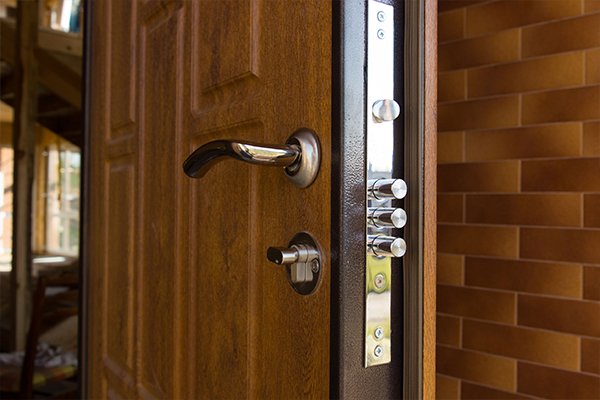
- Install High-Security Deadbolts: Look for locks with anti-pick, anti-bump, and anti-drill features. These models use hardened steel inserts and complex pin arrangements to resist tampering.
- Reinforce Strike Plates: Use heavy-duty strike plates secured with 3-inch screws that anchor into the wall stud, not just the door frame.
- Upgrade Door Hardware: Replace lightweight or worn components with solid metal hardware designed for security.
- Eliminate Spring-Latch Locks: Rely on deadbolts for exterior doors, as spring-latch mechanisms are much easier to defeat.
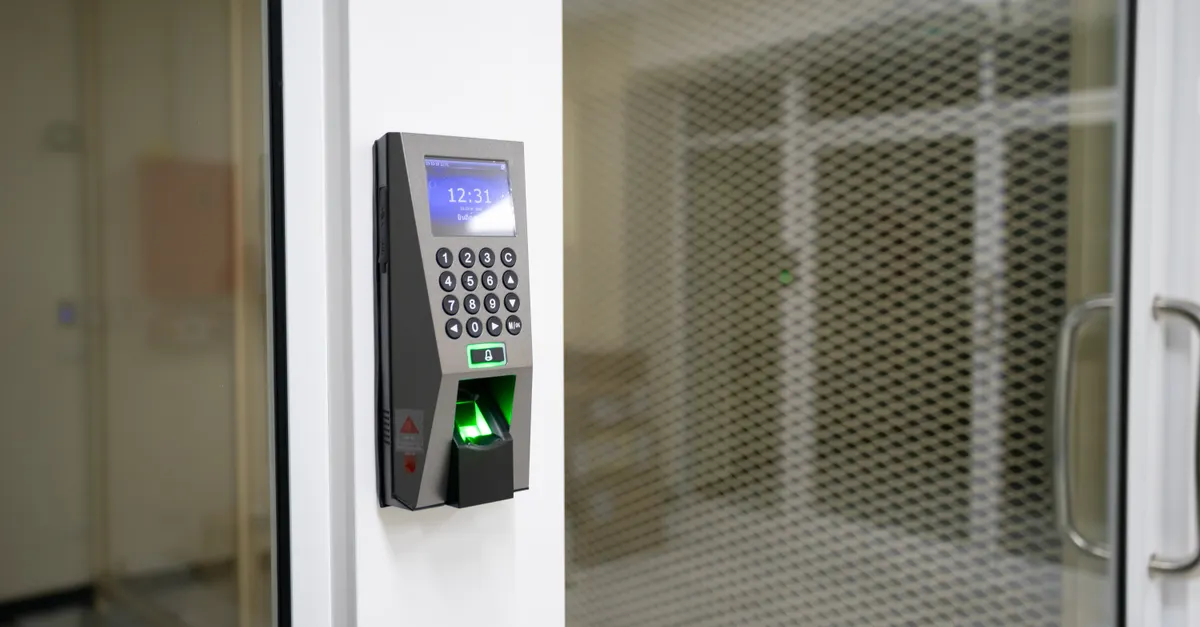
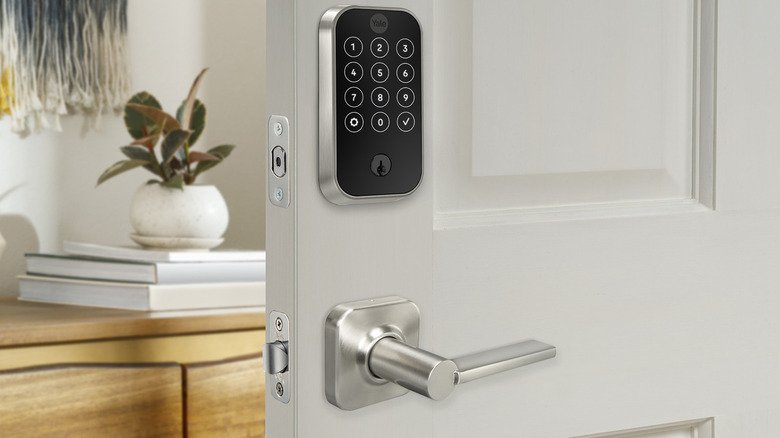
- Consider Smart Locks: Some modern smart locks offer advanced security features, but always research their vulnerabilities before installing. For a breakdown of deadbolt types and what to look for, see this comprehensive guide to deadbolt types.
Regular maintenance is also important. If your deadbolt feels stiff or difficult to turn, follow our tips on how to lubricate a deadbolt lock to keep it functioning smoothly and securely.
Additional Security Measures Beyond the Lock
While upgrading your locks is critical, a layered approach to home security offers even greater protection. Consider these additional steps:
- Install Security Cameras: Visible cameras can deter would-be intruders and provide evidence if a break-in occurs.
- Add Motion-Activated Lighting: Well-lit entryways make it harder for criminals to approach unnoticed.
- Use Door Reinforcement Kits: These kits strengthen the door frame and hinges, making forced entry much more difficult.
- Keep Landscaping Trimmed: Overgrown bushes near doors and windows can provide cover for burglars.
- Build Good Habits: Always lock all doors and windows, even when you’re home, and don’t hide spare keys outside.
If you encounter issues with your deadbolt or suspect it’s not working as intended, our deadbolt lock troubleshooting guide can help you identify and resolve common problems.
Frequently Asked Questions
What type of lock is hardest for burglars to bypass?
High-security deadbolts with features like anti-pick pins, anti-bump technology, and hardened steel inserts are among the most difficult for criminals to defeat. Look for locks that meet or exceed Grade 1 standards as outlined in the ANSI lock grade guide.
How can I tell if my lock has been tampered with?
Signs of tampering include visible scratches near the keyhole, loose hardware, or difficulty turning the key. If you notice these issues, it’s wise to have a locksmith inspect and possibly replace the lock.
Are smart locks safer than traditional deadbolts?
Smart locks can offer enhanced convenience and features, but their security depends on the model and how well it’s installed. Some smart locks have vulnerabilities, so always research independent reviews and ensure your device receives regular firmware updates.
Conclusion
Understanding how burglars bypass weak locks is the first step toward a safer home. By upgrading to high-quality deadbolts, reinforcing door hardware, and following best practices for maintenance and security, you can significantly reduce your risk of break-ins. Take action today to protect your property and enjoy greater peace of mind.