Choosing the right lock for your home or business is a crucial step in protecting your property. The American National Standards Institute (ANSI) has developed a grading system to help consumers compare lock security levels. This ANSI lock grade guide explains what these grades mean, how they are determined, and how to select the best lock for your needs.
Understanding the differences between lock grades can help you make informed decisions, whether you are upgrading your front door, securing a rental property, or simply looking for peace of mind. Before diving into the details, it’s important to know that lock performance is not just about the brand or price—it’s about meeting specific standards for strength, durability, and security.
If you’re interested in maintaining your locks, you might find this how to lubricate a deadbolt lock guide helpful for smooth operation and longevity.
What Is the ANSI Lock Grading System?
The ANSI grading system is a set of standards created to evaluate the performance and security of locks. These standards are developed in collaboration with the Builders Hardware Manufacturers Association (BHMA). The system assigns locks to one of three grades based on rigorous testing for strength, durability, and operational performance.
- Grade 1: Highest security, typically used for commercial settings but also suitable for residential doors requiring maximum protection.
- Grade 2: Intermediate security, ideal for most residential exterior doors and some light commercial applications.
- Grade 3: Basic security, commonly found on interior doors or as entry-level exterior locks.
Each grade reflects how well a lock withstands forced entry, repeated use, and environmental factors. Understanding these categories is essential when reviewing lock options for your property.
How Are ANSI Lock Grades Determined?
Locks are tested under strict laboratory conditions to ensure they meet ANSI and BHMA standards. The tests simulate real-world scenarios, such as repeated locking and unlocking, impact resistance, and attempts to force the lock open. Here’s a closer look at the criteria:
- Cycle Testing: Locks are operated thousands of times to measure durability. Grade 1 locks must withstand at least 800,000 cycles, while Grade 2 and 3 require fewer cycles.
- Force Resistance: Locks are subjected to impacts and attempts to break them. Grade 1 locks can resist greater force than lower grades.
- Security Features: The design and materials are evaluated for resistance to picking, drilling, and other bypass methods.
Manufacturers must submit their products for independent testing to earn a grade. Locks that pass these tests are labeled with their ANSI/BHMA grade, making it easier for consumers to compare options.
Comparing Lock Grades: Which Level Is Right for You?
Choosing the right lock grade depends on your specific security needs. Here’s a breakdown of the three levels and their typical applications:
| Grade | Typical Use | Key Features |
|---|---|---|
| Grade 1 | Commercial, high-security residential | Maximum strength, highest durability, resists heavy use and forced entry |
| Grade 2 | Residential exterior, light commercial | Good security, suitable for most homes, withstands moderate force |
| Grade 3 | Interior doors, low-risk exterior | Basic protection, affordable, not recommended for main entry points |
If you’re securing a front or back door, a Grade 1 or Grade 2 lock is strongly recommended. Grade 3 locks are best reserved for interior doors where security is less of a concern.
Key Factors to Consider When Choosing a Lock
While the ANSI lock grade guide provides a clear framework for comparing locks, there are other factors to keep in mind:
- Type of Lock: Deadbolts, knob locks, lever handle locks, and smart locks all have different strengths and weaknesses. For exterior doors, deadbolts are generally the most secure.
- Installation Quality: Even the best lock can be compromised if not installed correctly. Ensure your lock is fitted securely and aligned with the strike plate. For tips, see this how to align a deadbolt strike plate resource.
- Additional Security Features: Look for locks with anti-drill plates, reinforced strike plates, and pick-resistant cylinders.
- Maintenance: Regular care, such as lubrication and cleaning, helps maintain performance. For troubleshooting, refer to a comprehensive deadbolt lock troubleshooting guide.
Assess your property’s risk level and choose a lock grade and type that matches your security requirements.

Common Types of Locks and Their Security Ratings
Not all locks are created equal, even within the same grade. Here are some common types and how they typically perform under the ANSI/BHMA system:
- Deadbolts: Generally offer the highest security and are available in all three grades. For more on deadbolt varieties, see this overview of deadbolt lock types.
- Knob Locks: Often used on interior doors or as secondary locks. Usually Grade 2 or 3.
- Lever Handle Locks: Common in commercial settings and ADA-compliant spaces. Available in Grades 1 and 2.
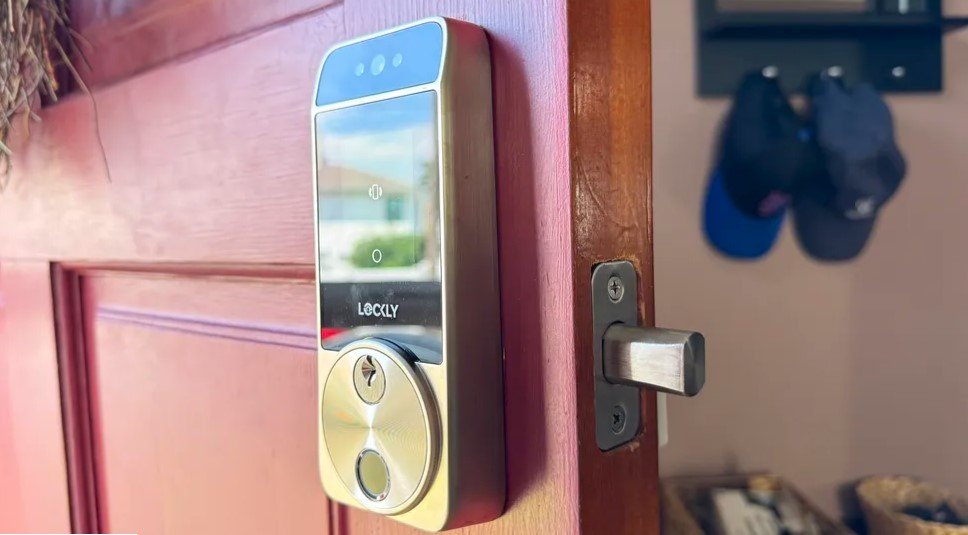
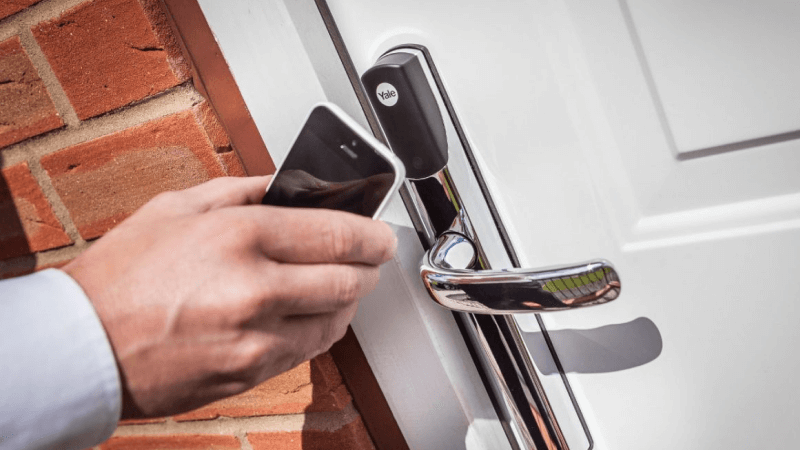
- Smart Locks: Many are tested to ANSI/BHMA standards, but always check for certification before purchasing.
When selecting a lock, always verify the grade and ensure it matches your intended use.
Tips for Maximizing Door Security
Beyond choosing the right lock grade, there are practical steps you can take to enhance your door’s security:
- Install a reinforced strike plate with long screws to resist kick-ins.
- Use a Grade 1 deadbolt on all exterior doors for optimal protection.
- Consider adding a secondary lock, such as a chain or slide bolt, for extra security.
- Regularly inspect and maintain your locks to ensure they function smoothly. If you notice issues, these deadbolt lock safety tips can help you address common problems.
- Replace locks immediately if keys are lost or if you move into a new property.
Taking these steps, in addition to selecting the right lock grade, will significantly reduce your risk of unauthorized entry.
Frequently Asked Questions
What does it mean if a lock is ANSI Grade 1?
A lock rated as ANSI Grade 1 has passed the highest level of testing for strength and durability. It is designed to withstand heavy use and strong force, making it suitable for commercial buildings and residential doors where maximum security is needed.
Can I use a Grade 3 lock on my front door?
While Grade 3 locks meet the minimum standards for security, they are generally not recommended for main entry doors. For better protection, especially against forced entry, choose a Grade 1 or Grade 2 lock for exterior doors.
How do I know what grade my current lock is?
Most locks will have their ANSI/BHMA grade indicated on the packaging or in the product documentation. Some manufacturers also stamp the grade on the lock itself. If you are unsure, consult a locksmith or refer to the manufacturer’s website for details.
Do smart locks have ANSI grades?
Many modern smart locks are tested to ANSI/BHMA standards. Always check for certification before purchasing to ensure the lock meets your security requirements.
Is installation as important as lock grade?
Yes, even the highest-rated lock can be compromised if installed incorrectly. Proper alignment, secure mounting, and reinforced strike plates are essential for maximizing security.
Understanding the ANSI grading system empowers you to make informed decisions about your property’s security. By selecting the right grade and maintaining your locks, you can protect your home or business with confidence.