Securing your home starts with reliable locks, and few options are as trusted as the deadbolt. While these locks are a staple for residential security, simply having one installed isn’t enough. Understanding how to maximize their effectiveness is essential for keeping your property and loved ones safe. This article covers practical deadbolt lock safety tips to help you get the most protection from your door hardware.
Whether you’re upgrading your home’s entry points or want to ensure your current locks are up to the task, there are several strategies and best practices that can make a significant difference. From choosing the right type of deadbolt to proper installation and ongoing maintenance, these steps are crucial for deterring intruders and enhancing peace of mind.
For homeowners interested in optimizing their security setup, learning how to align a deadbolt strike plate properly can further strengthen your door’s resistance to forced entry. Let’s explore the most effective ways to keep your locks—and your home—secure.
Understanding the Importance of Deadbolt Security
Deadbolts are a preferred choice for exterior doors because they offer a higher level of protection compared to standard spring bolt locks. Their design makes them resistant to common break-in methods like lock picking and forced entry. However, not all deadbolts are created equal, and their effectiveness depends on several factors, including the quality of the lock, installation, and regular upkeep.
Choosing the right deadbolt and ensuring it’s properly installed are the first steps in safeguarding your home. But ongoing vigilance and a few additional measures can make your entry points even more secure.
Choosing the Right Deadbolt for Your Home
When selecting a deadbolt, look for models that meet industry standards for strength and durability. Consider the following tips:
- Grade 1 deadbolts offer the highest level of residential security. These locks are tested for durability and resistance to forced entry.
- Opt for locks with a hardened steel bolt, which is more difficult to saw through or break.
- Consider single-cylinder deadbolts for most homes, but use double-cylinder models (which require a key on both sides) for doors with glass panels near the lock.
- For more details on the different types of deadbolts and their features, review this comprehensive guide to deadbolt lock types.
Proper Installation: A Key to Effective Lock Security
Even the best deadbolt won’t provide adequate protection if it’s installed incorrectly. Here are some essential installation tips:
- Ensure the bolt fully extends into the door frame when locked. A partially extended bolt is much easier to force open.
- Use 3-inch screws to secure the strike plate into the wall stud, not just the door frame. This adds significant resistance to kick-ins.
- Check that the lock is aligned correctly with the strike plate. Misalignment can weaken the lock’s effectiveness and cause premature wear.
For step-by-step instructions and additional advice, consult a deadbolt lock buying guide or consider professional installation for optimal results.
Maintenance and Inspection for Long-Term Security
Regular maintenance is a crucial aspect of deadbolt lock safety tips. Over time, locks can become loose, misaligned, or worn out, reducing their effectiveness. Here’s how to keep your deadbolt in top condition:
- Inspect the lock and strike plate every few months for signs of wear or damage.
- Tighten any loose screws and lubricate the mechanism with a graphite-based lubricant to ensure smooth operation.
- Replace the lock immediately if you notice any cracks, rust, or difficulty turning the key.
- Test the lock from both sides of the door to confirm it operates smoothly and securely.
Advanced Strategies to Enhance Deadbolt Protection
Beyond basic installation and maintenance, there are additional steps you can take to reinforce your home’s entry points:
- Install a reinforced strike plate and use longer screws for added strength.
- Add a door reinforcement plate or security bar to further resist forced entry.
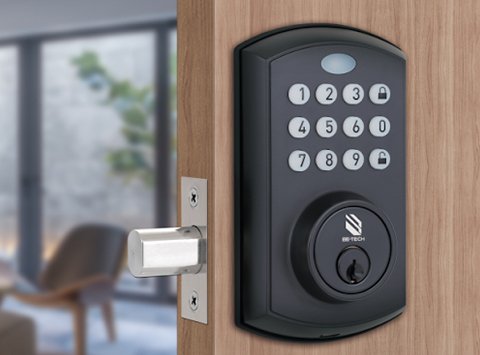
- Consider upgrading to a smart or keyless deadbolt for added convenience and security features, such as remote access and activity logs.
- For apartments or rental properties, review options for the best locks for apartment doors to ensure compliance with building regulations while maximizing security.

Common Mistakes to Avoid with Deadbolt Locks
Even well-intentioned homeowners can make errors that compromise their security. Avoid these pitfalls:
- Leaving the deadbolt unlocked, especially when at home or during the night.
- Using short screws in the strike plate, which can be easily forced out.
- Failing to replace old or damaged locks promptly.
- Neglecting to reinforce doors with glass panels or weak frames.
For more information on how these locks deter intruders, see the article on how deadbolts prevent break ins.
Integrating Deadbolts into a Complete Home Security Plan
While deadbolts are a critical component of home security, they work best as part of a comprehensive approach. Combine them with other measures, such as:
- Outdoor lighting to deter would-be intruders.
- Security cameras or video doorbells for monitoring entry points.
- Alarm systems that alert you to unauthorized access.
- Neighborhood watch programs or community alerts.
By layering your security measures, you significantly reduce the likelihood of a successful break-in and increase your peace of mind.
FAQ: Home Security and Deadbolt Best Practices
What is the difference between a single-cylinder and double-cylinder deadbolt?
A single-cylinder deadbolt uses a key on the outside and a thumb turn on the inside, making it convenient for quick locking and unlocking. A double-cylinder model requires a key on both sides, which is safer for doors with glass panels but may pose an emergency exit concern. Choose based on your door type and safety needs.
How often should I inspect or replace my deadbolt lock?
It’s recommended to inspect your deadbolt every 6–12 months for signs of wear, rust, or misalignment. Replace the lock immediately if you notice difficulty turning the key, visible damage, or after moving into a new home for maximum security.
Can smart deadbolts provide better security than traditional models?
Smart deadbolts offer additional features like remote access, activity monitoring, and temporary codes for guests. While they can enhance convenience and control, their security depends on the quality of the device and proper installation. Always choose reputable brands and update firmware regularly to protect against hacking.
Conclusion
Implementing these deadbolt lock safety tips is a straightforward way to improve your home’s security. By selecting the right lock, ensuring proper installation, maintaining your hardware, and integrating additional protective measures, you can make your entry points far less vulnerable to intrusion. Remember, a secure home is built on attention to detail and a proactive approach to safety.