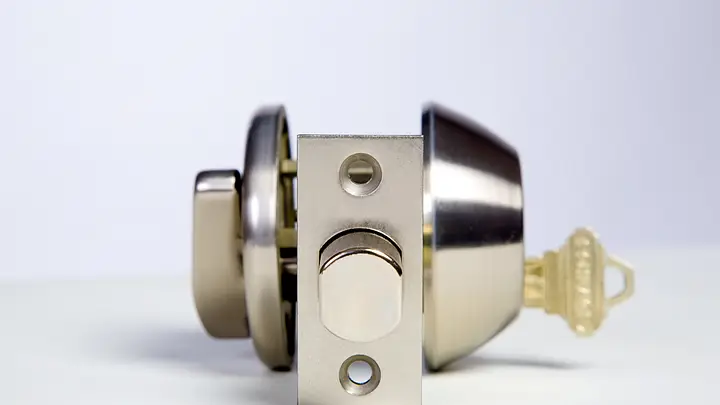
A deadbolt lock is a critical part of home security, but over time, it can become loose due to regular use, misalignment, or wear and tear. If your lock feels wobbly or the key doesn’t turn smoothly, it’s important to address the issue promptly. Ignoring a loose deadbolt can compromise your safety and make your door easier to force open. This guide will walk you through straightforward steps to restore your lock’s stability and function, using basic tools and practical advice.
Before you begin, it’s helpful to understand the different types of deadbolts and how they work. For more background on their construction and security features, you might find this deadbolt lock buying guide useful.
Addressing a shaky deadbolt is often a simple DIY task. With a few tools and some patience, you can restore your lock’s security and ensure your door remains a strong barrier against intruders.
Common Reasons Deadbolts Become Loose
Understanding why a deadbolt loosens helps you prevent future issues. Here are the most frequent causes:
- Loose mounting screws: Over time, the screws holding the lock together can work themselves out, causing the lock to wobble.
- Worn or stripped screw holes: If the wood around the screws is damaged, the lock may not stay tight even after retightening.
- Misaligned strike plate: When the strike plate on the door frame shifts, the deadbolt may not fit securely, leading to extra movement.
- General wear and tear: Years of use can loosen internal components or cause the lock body to shift.
Identifying the root cause will help you choose the right repair method and keep your lock secure for longer.
Tools and Materials You’ll Need
Before starting, gather these basic tools:
- Phillips or flathead screwdriver (depending on your lock)
- Replacement screws (if originals are stripped or missing)
- Wooden toothpicks or matchsticks (for repairing stripped holes)
- Wood glue (optional, for reinforcing screw holes)
- Drill (optional, for new pilot holes)
- Ruler or tape measure (for alignment checks)
Most repairs can be done with just a screwdriver, but having these extra items on hand can make the process smoother.
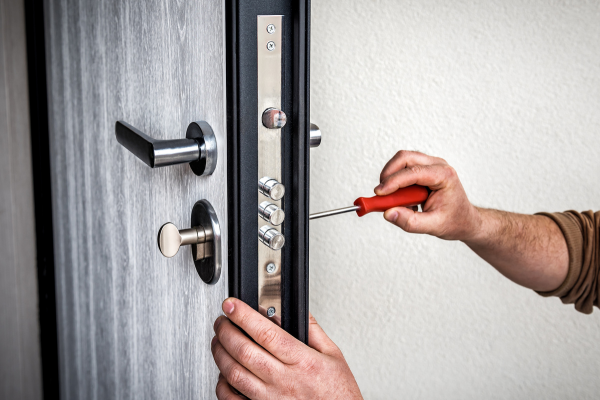
Step-by-Step Instructions for Tightening a Deadbolt
Follow these practical steps to restore your lock’s stability:
1. Inspect the Lock and Door
Start by examining both sides of the lock. Check for visible gaps, missing screws, or damage around the mounting plate. Open and close the door to see if the deadbolt aligns smoothly with the strike plate.
2. Tighten the Mounting Screws
Most deadbolts have two screws on the interior side. Using the appropriate screwdriver, gently tighten these screws. Avoid overtightening, as this can strip the threads or damage the lock body. If the screws spin freely or don’t tighten, the screw holes may be stripped.
3. Repair Stripped Screw Holes
If the screws won’t grip, remove them and fill the holes with wooden toothpicks or matchsticks coated in wood glue. Break them off flush with the surface, let the glue dry, then reinsert the screws. This creates a firmer base for the screws to bite into.
4. Check and Adjust the Strike Plate
If the deadbolt doesn’t seat fully in the strike plate, loosen the plate’s screws and adjust its position. Ensure the bolt slides smoothly into the hole when the door is closed. Tighten the plate’s screws once aligned.
5. Test the Lock
After tightening and adjusting, test the lock several times. The key should turn easily, and the deadbolt should extend and retract without resistance. If you still notice looseness, repeat the steps or consider replacing worn components.
When to Replace Instead of Repair
Sometimes, tightening a loose deadbolt isn’t enough. If you notice any of the following, replacement may be the safer option:
- Cracked or damaged lock body
- Severely stripped screw holes that can’t be repaired
- Internal lock mechanism failure
- Visible signs of tampering or forced entry
Upgrading to a new deadbolt can also improve your home’s security. For more on enhancing protection, see this article on how to reinforce a deadbolt lock.
Tips for Preventing Future Deadbolt Issues
Regular maintenance can extend the life of your lock and prevent future problems:
- Check screws periodically: Tighten any that have started to loosen.
- Lubricate the lock: Use a graphite-based lubricant to keep the mechanism smooth.
- Inspect alignment: Ensure the deadbolt and strike plate remain properly aligned after any door adjustments.
- Avoid slamming the door: This can jar the lock and loosen components over time.
Staying proactive with these habits can help you avoid repeated repairs and keep your entryways secure.
Understanding Deadbolt Types and Security
There are several deadbolt designs, each with unique features. Learning about these can help you choose the right replacement if needed. For a comprehensive overview, check out this guide to different types of deadbolts for details on single, double, and lockable thumbturn models.
It’s also important to know how deadbolts contribute to home safety. For more insights, see how deadbolts prevent break ins and what vulnerabilities to watch for.
Frequently Asked Questions
What causes a deadbolt lock to become loose?
Common reasons include loose or missing screws, stripped screw holes, misaligned strike plates, and general wear from frequent use. Environmental factors like humidity and door warping can also contribute to the problem.
Can I fix a loose deadbolt without professional help?
In most cases, yes. Tightening screws, repairing stripped holes, and adjusting the strike plate are straightforward tasks that require only basic tools. However, if the lock is damaged or the problem persists after repair, it’s best to consult a locksmith.
How do I know if my deadbolt needs to be replaced?
If the lock body is cracked, the mechanism fails, or the screw holes are too damaged to hold screws, replacement is recommended. Upgrading to a newer model can also enhance your home’s security and provide peace of mind.
For those interested in learning more about lock vulnerabilities, you may want to read about can deadbolts be picked to further understand how to keep your home safe.