Home and business security is a top priority for property owners, and one of the most effective ways to deter unauthorized entry is by installing a deadbolt lock. Understanding how deadbolts prevent break ins can help you make informed decisions about your security setup and protect your valuables and loved ones. Unlike standard spring bolt locks, deadbolts offer a higher level of resistance against forced entry, making them a preferred choice for front doors and other vulnerable entry points.
In this guide, we’ll break down the mechanics of deadbolts, explain why they outperform other locks, and highlight the security facts that make them a cornerstone of modern door protection. You’ll also find practical tips for choosing and maintaining deadbolts, as well as answers to common questions about their effectiveness.
For those interested in advanced options, our high security deadbolt guide covers what makes a lock even more resistant to tampering and break-ins.
Understanding the Mechanics of Deadbolt Locks
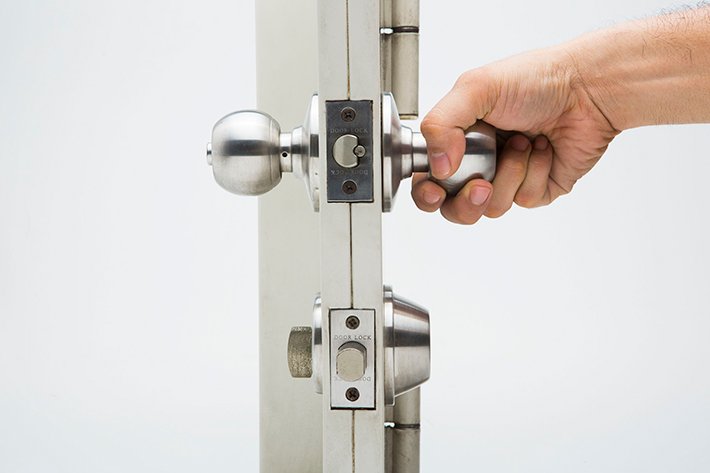
Deadbolts are designed differently from traditional spring latch locks. The main distinction lies in the locking mechanism. A deadbolt uses a solid metal bolt that extends deep into the door frame when locked, making it much harder to force open. Unlike a spring bolt, which can be easily retracted with a credit card or simple tool, a deadbolt requires a key or thumb turn to operate.
- Single-cylinder deadbolts are operated with a key from the outside and a thumb turn from the inside.
- Double-cylinder deadbolts require a key on both sides, offering extra security for doors with nearby glass panels.
- Lock quality and installation play a significant role in the overall effectiveness of the deadbolt.
For a detailed comparison of different types, check out this overview of deadbolt lock varieties.
Why Deadbolts Are Effective Against Forced Entry
The primary reason deadbolts help prevent break ins is their resistance to common burglary techniques. Here’s how:
- Resisting brute force: The solid metal bolt extends deep into the door jamb, making it difficult to kick in the door.
- Protection from lock picking and bumping: Quality deadbolts have complex mechanisms that are harder to manipulate with lock-picking tools or bump keys.
- Prevention of credit card attacks: Unlike spring latches, deadbolts cannot be retracted by sliding a card or similar object between the door and frame.

Statistics consistently show that doors with properly installed deadbolts are far less likely to be compromised during a break-in attempt. In many cases, the presence of a visible deadbolt alone is enough to deter would-be intruders.
Comparing Deadbolts to Other Lock Types
When evaluating how deadbolts prevent break ins, it’s helpful to compare them to other common lock types:
- Knob locks: These are often used in interior doors and provide minimal resistance to force or manipulation. They are not recommended as the sole security measure for exterior doors.
- Lever handle locks: Similar to knob locks, these are easier to operate but also easier to bypass.
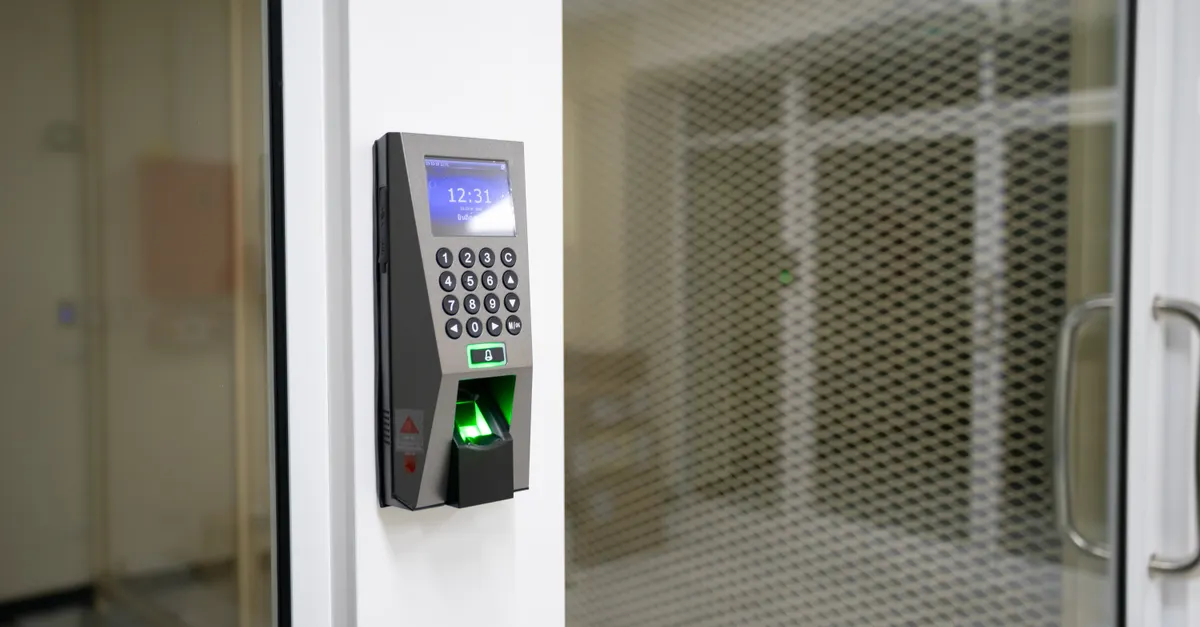
- Smart locks: While offering convenience and remote access, the security level depends on the underlying mechanical lock—often a deadbolt.
For a side-by-side analysis, see our deadbolt vs knob lock security comparison, which explains why deadbolts are the preferred choice for exterior door protection.
Key Features That Make Deadbolts Secure
Not all deadbolts are created equal. Here are the features that enhance their ability to stop break-ins:
- Grade rating: Look for deadbolts rated Grade 1 by ANSI/BHMA, which indicates the highest level of residential security.
- Long throw bolt: A bolt that extends at least one inch into the door frame offers better resistance to prying and kicking.
- Reinforced strike plate: Heavy-duty strike plates secured with long screws help anchor the bolt firmly in the frame.
- Drill and pick resistance: Hardened steel inserts and complex keyways make it harder for burglars to manipulate or destroy the lock.
For tips on selecting the right lock for your needs, our guide to choosing a deadbolt lock covers essential features and installation advice.
Proper Installation: The Key to Maximum Protection
Even the strongest deadbolt won’t perform well if it’s poorly installed. Here’s what to keep in mind:
- Ensure the bolt fully extends into the door frame and that the strike plate is anchored with 3-inch screws.
- Check that the door and frame are in good condition and not weakened by age or previous damage.
- Consider professional installation for optimal alignment and security.
Regularly inspect your locks for signs of wear or tampering, and replace any components that show damage. A well-maintained deadbolt is a long-term investment in your property’s safety.
Additional Security Tips for Homeowners
While deadbolts are a critical line of defense, combining them with other security measures can further reduce the risk of unauthorized entry:
- Install a solid core or metal door for added strength.
- Use security cameras and motion-activated lighting to deter intruders.
- Reinforce glass panels near doors with security film or bars.
- Consider upgrading to a smart deadbolt for remote monitoring and alerts. For more on this, see our deadbolt vs smart lock comparison.
- Always lock all doors and windows, even when you’re home.
Choosing the Best Deadbolt for Your Needs
With a variety of options on the market, selecting the right deadbolt can feel overwhelming. Focus on:
- Security rating: Prioritize Grade 1 or Grade 2 deadbolts for exterior doors.
- Type: Decide between single and double-cylinder models based on your door’s design and security needs.
- Brand reputation: Choose products from established manufacturers with proven reliability.
- Compatibility: Ensure the deadbolt fits your door’s thickness and existing hardware.
For recommendations and feature breakdowns, visit our best deadbolt for front doors resource.
Frequently Asked Questions
Are deadbolts really effective at stopping break-ins?
Yes, deadbolts are among the most effective mechanical locks for preventing unauthorized entry. Their solid metal bolts and resistance to common burglary techniques make them a strong deterrent. However, effectiveness depends on proper installation and the quality of both the lock and the door.
Is a single-cylinder or double-cylinder deadbolt better for security?
Both types offer strong protection, but double-cylinder deadbolts provide extra security for doors with glass panels, as a key is required on both sides. Single-cylinder models are more convenient for most homes, but always assess your specific needs and local fire codes before choosing.
Can a deadbolt be picked or bumped?
While no lock is completely pick-proof, high-quality deadbolts with complex keyways and anti-bump features are much harder to manipulate than standard locks. Look for models with drill-resistant components and advanced security features for maximum protection.
How often should I replace or upgrade my deadbolt?
Inspect your locks annually for signs of wear, rust, or tampering. If you move into a new property or lose a key, it’s wise to replace or rekey your deadbolt. Upgrading to a newer, higher-grade model can also improve your security as technology advances.
Do smart locks offer better security than traditional deadbolts?
Smart locks provide added convenience and features like remote access, but their security depends on the underlying mechanical deadbolt. For best results, choose a smart lock that uses a high-quality deadbolt as its core locking mechanism.