Choosing the best way to secure your home is a decision that impacts your peace of mind and daily convenience. With advancements in technology, homeowners now have more options than ever, making the deadbolt vs smart lock comparison a common topic for anyone looking to upgrade their door security. Each option offers unique benefits and potential drawbacks, so understanding the differences can help you make an informed choice that suits your lifestyle, budget, and security needs.
Before diving into the details, it’s helpful to understand the basics of how each lock functions and what sets them apart. If you’re specifically interested in traditional locks, you might find this guide on how to choose a deadbolt lock useful as a starting point.
Understanding Deadbolts: Classic Security for Every Home
Deadbolts have been a staple of home security for decades. They are mechanical locks that require a key or a thumb turn to operate, providing a strong physical barrier against forced entry. There are several types of deadbolts, including single-cylinder, double-cylinder, and lockable thumbturn models. Each type offers varying levels of security and convenience, depending on your needs.
One of the main advantages of deadbolts is their reliability. Since they don’t rely on batteries or electronics, they are less prone to malfunction and can be a cost-effective solution for most households. For a deeper dive into the different styles and how they work, you can check out this overview of deadbolt lock types.
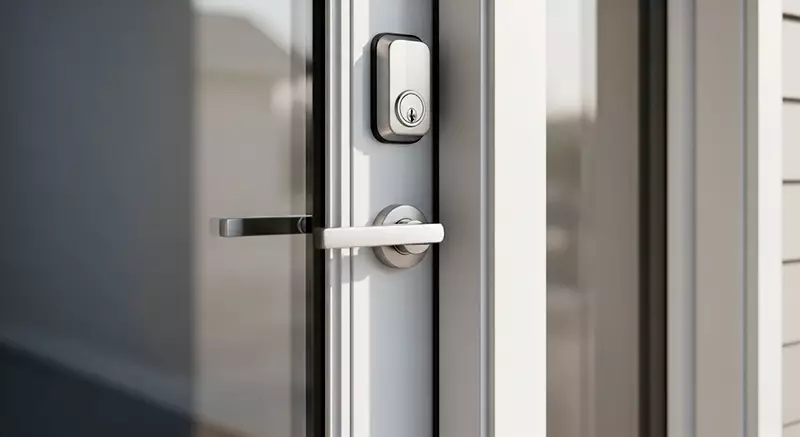
Smart Locks: Modern Convenience Meets Security
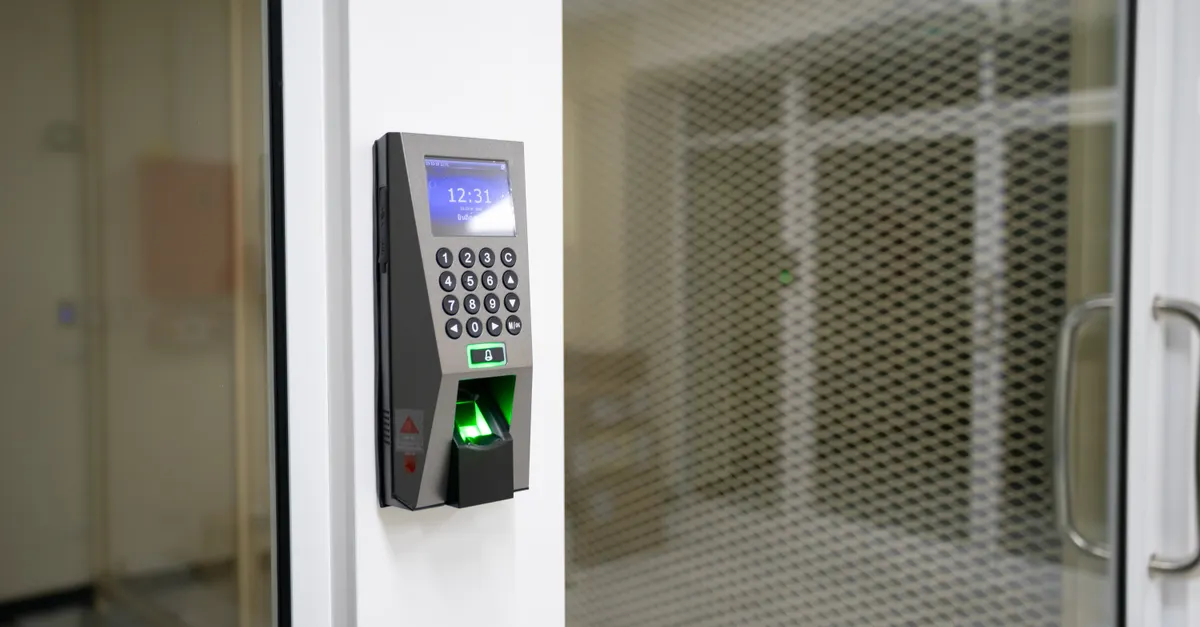
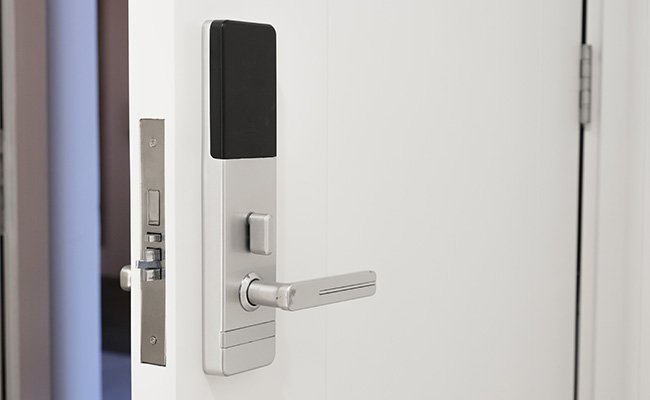
Smart locks represent the latest evolution in door security. These devices use electronic mechanisms and often connect to your home Wi-Fi or Bluetooth, allowing you to control access via smartphone apps, keypads, voice assistants, or even biometrics. Many smart locks also offer features like remote locking and unlocking, temporary digital keys for guests, and activity logs for added peace of mind.
While smart locks offer unmatched convenience, they do come with considerations such as battery life, software updates, and potential vulnerabilities to hacking. However, the ability to integrate with other smart home devices and monitor your door’s status remotely is a significant advantage for tech-savvy homeowners or those who travel frequently.
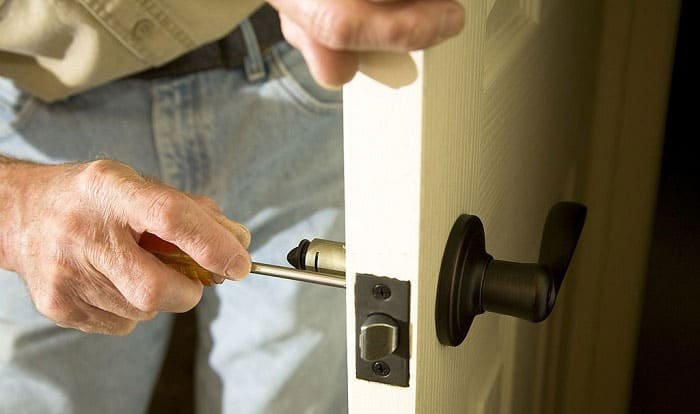
Deadbolt vs Smart Lock Comparison: Key Differences
When considering a deadbolt vs smart lock comparison, it’s important to look at several factors:
- Security: Traditional deadbolts are known for their sturdy construction and resistance to brute-force attacks. Smart locks, on the other hand, may offer advanced encryption and tamper alerts, but can be susceptible to digital threats if not properly secured.
- Convenience: Smart locks excel in convenience, offering features like keyless entry, remote access, and integration with smart home systems. Deadbolts require physical keys, which can be lost or duplicated.
- Installation: Installing a deadbolt is usually straightforward and can often be done as a DIY project. Smart locks may require more complex installation, especially if they need to be integrated with other devices.
- Maintenance: Deadbolts require minimal upkeep, aside from occasional lubrication and checking for wear. Smart locks need battery replacements and may require software updates to maintain security.
- Cost: Deadbolts are generally more affordable, while smart locks can be a significant investment, especially for high-end models with advanced features.
Pros and Cons of Each Locking System
| Feature | Deadbolt | Smart Lock |
|---|---|---|
| Security Strength | High physical resistance | Strong, but depends on digital security |
| Convenience | Requires key | Keyless, remote access, app control |
| Installation | Simple DIY | May require technical setup |
| Maintenance | Low, mechanical upkeep | Battery and software updates |
| Price | Affordable | Moderate to high |
Which Option Is Best for Your Home?
The right choice depends on your priorities. If you value simplicity, reliability, and cost-effectiveness, a traditional deadbolt may be your best bet. For those who want to embrace smart home technology and enjoy features like remote access and activity tracking, a smart lock could be the ideal solution.
Some homeowners even choose to combine both options, installing a smart lock on the main entry and a deadbolt on secondary doors for layered security. If you’re considering upgrading your locks, it’s also wise to review deadbolt lock maintenance tips to ensure your security measures remain effective over time.
Installation and Maintenance Considerations
Installing a deadbolt is typically a straightforward process, often requiring only basic tools and a little patience. Many manufacturers provide step-by-step instructions, and there are plenty of resources available for those who prefer to handle the job themselves. For guidance, you can refer to this detailed guide on how to install a deadbolt lock.
Smart locks, while not overly complicated, may require more technical know-how, especially if you want to integrate them with other smart home devices. It’s important to follow the manufacturer’s instructions carefully and ensure your Wi-Fi network is secure. Regularly updating the lock’s firmware and changing access codes can help maintain security.
Regardless of which type you choose, regular maintenance is key. For deadbolts, this means lubricating the lock and checking for signs of wear. For smart locks, keep an eye on battery levels and stay current with software updates. If you encounter issues, resources on common deadbolt lock problems can be helpful for troubleshooting.
Frequently Asked Questions
Are smart locks as secure as traditional deadbolts?
Smart locks can offer a high level of security, especially when combined with strong encryption and tamper alerts. However, their security largely depends on digital safeguards, such as secure passwords and regular software updates. Traditional deadbolts rely on physical strength, making them less vulnerable to hacking but still susceptible to physical attacks if not installed properly.
Can I install a smart lock myself, or do I need a professional?
Many smart locks are designed for DIY installation and come with detailed instructions. However, if you’re not comfortable with technology or want to integrate the lock with other smart home devices, hiring a professional can ensure proper setup and optimal performance.
What happens if the batteries in my smart lock die?
Most smart locks will alert you when the batteries are running low. If the batteries do die, many models offer backup options, such as a physical key or an external battery connection, to ensure you’re not locked out of your home.
Conclusion
Both deadbolts and smart locks have their strengths and are suitable for different needs and preferences. By weighing the pros and cons and considering your home’s specific requirements, you can make a confident decision. Whether you opt for the time-tested reliability of a deadbolt or the modern convenience of a smart lock, prioritizing quality installation and regular maintenance will help keep your home secure.