Deadbolt locks are a cornerstone of home security, offering an extra layer of protection for doors and entryways. However, even the most reliable locks can develop issues over time. Understanding common deadbolt lock problems and knowing how to address them can help you maintain your home’s safety and avoid unnecessary stress or costly locksmith visits.
This article covers the most frequent deadbolt malfunctions, practical troubleshooting tips, and when it’s time to call in a professional. If you’re interested in learning more about the different types of locks and their features, you might also want to check out our guide on what is a deadbolt lock for a deeper understanding of how these devices work.
Identifying Frequent Deadbolt Issues
Deadbolt locks are designed for durability, but several factors can cause them to malfunction. Recognizing the symptoms of deadbolt lock issues early can save you time and enhance your home’s security. Here are the most typical problems homeowners encounter:
- Key won’t turn or is hard to insert
- Deadbolt doesn’t fully extend or retract
- Loose or wobbly lock hardware
- Misaligned strike plate or door frame
- Stuck or jammed deadbolt
- Wear and tear on internal components
Each of these issues can arise from different causes, such as weather changes, improper installation, or regular use over time. Let’s explore how to diagnose and address these challenges.
Key Won’t Turn or Is Difficult to Insert
One of the most common deadbolt lock problems is a key that refuses to turn or is tough to insert. This can be caused by:
- Dirt or debris inside the keyway
- Worn or bent keys
- Internal lock cylinder wear
To resolve this:
- Try a different copy of your key to rule out a bent or worn key.
- Spray a graphite-based lubricant into the keyhole (avoid oil-based products, as they attract dirt).
- Insert and remove the key several times to distribute the lubricant.
- If the problem persists, the lock cylinder may be worn and require replacement.
Regularly cleaning your keys and lock can help prevent this issue from recurring.

Deadbolt Doesn’t Fully Extend or Retract
If your deadbolt doesn’t move smoothly or fails to lock/unlock completely, it’s often due to misalignment between the lock and the strike plate. This can be caused by:
- Settling of the house or door frame
- Humidity causing wood to swell
- Poor installation
To fix this:
- Check if the door is sagging or warped. Tighten the door hinges if necessary.
- Examine the strike plate. If the bolt doesn’t align, adjust the plate by loosening its screws and repositioning it.
- If needed, enlarge the strike plate hole slightly with a file to allow the bolt to move freely.
- Test the deadbolt after each adjustment to ensure smooth operation.
Proper alignment is crucial for both security and ease of use. If you’re considering upgrading your lock, our article on best deadbolt features for home security can help you choose a model that fits your needs.
Loose or Wobbly Deadbolt Hardware
Over time, the screws and mounting hardware that hold your deadbolt in place can loosen, making the lock feel unstable. This not only affects security but can also lead to further mechanical problems.
To address this:
- Remove the interior plate of the lock and check all screws.
- Tighten any that are loose, but avoid overtightening, which can strip the threads.
- If screws are stripped or won’t tighten, replace them with new ones of the same size.
- Reassemble the lock and test its stability.
Regular maintenance and periodic checks can prevent this issue and prolong the life of your lock.
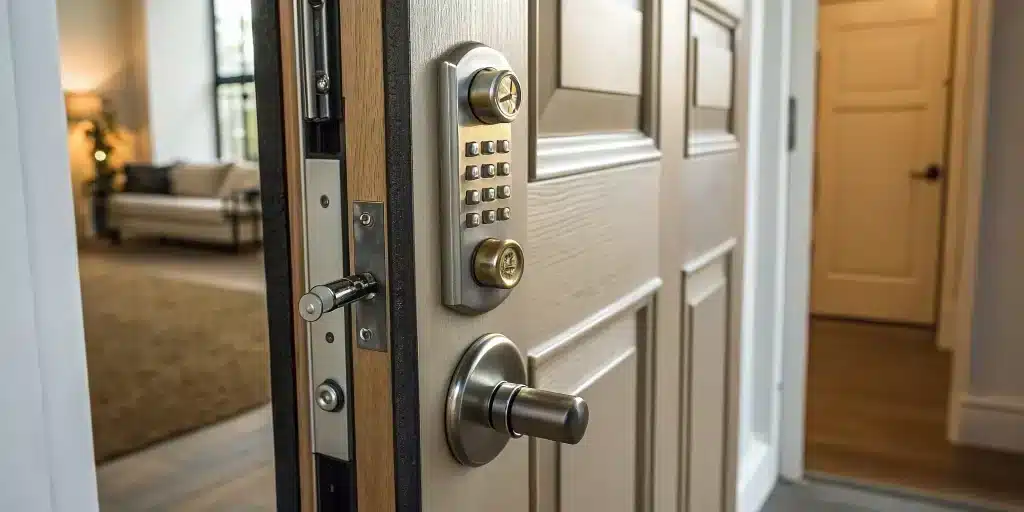
Stuck or Jammed Deadbolt Mechanisms
Sometimes, a deadbolt may become stuck or jammed, refusing to move even with the correct key. This can be caused by:
- Internal mechanism failure
- Rust or corrosion
- Foreign objects lodged inside the lock
To troubleshoot:
- Apply a graphite lubricant to the keyhole and bolt mechanism.
- Gently wiggle the key while turning it to see if the bolt will move.
- If the lock remains jammed, remove the lock from the door and inspect for visible damage or obstructions.
- Replace the lock if internal parts are broken or severely corroded.
For persistent problems, it’s best to consult a professional locksmith to avoid damaging the door or lock further.
When to Repair vs. Replace Your Deadbolt
While many deadbolt lock issues can be fixed with basic tools and a little patience, some situations call for a full replacement:
- The lock is old and shows signs of significant wear or rust.
- Internal components are broken or missing.
- You’ve experienced a break-in or attempted forced entry.
- You want to upgrade to a more secure or modern lock.
Modern deadbolts offer advanced features such as smart keypads, reinforced bolts, and tamper-resistant designs. If you’re considering an upgrade, our resource on types of deadbolt locks explained can help you compare your options.
Preventing Deadbolt Problems
Regular maintenance is the best way to avoid common deadbolt lock problems. Here are some preventive steps:
- Lubricate the lock and keyway every six months with graphite powder.
- Check and tighten mounting screws periodically.
- Clean keys and avoid using bent or damaged ones.
- Inspect the strike plate and door alignment, especially after weather changes.
- Upgrade to high-quality deadbolts with reinforced components for added durability.
For more on how these locks contribute to safety, see our article on how deadbolts improve home security.
Additional Resources for Home Security
Deadbolts are just one part of a comprehensive home security strategy. For more information on how locks can enhance your protection, take a look at this detailed guide on how locks increase home security. Combining strong locks with other security measures can significantly reduce the risk of unauthorized entry.
Frequently Asked Questions
How often should I lubricate my deadbolt lock?
It’s recommended to lubricate your deadbolt every six months using a graphite-based lubricant. This helps prevent sticking and ensures smooth operation. Avoid oil-based products, as they can attract dust and debris.
Can I fix a misaligned deadbolt myself?
Yes, many alignment issues can be resolved with basic tools. Adjusting the strike plate, tightening hinges, or filing the strike hole are common fixes. However, if the door or frame is severely warped, professional help may be needed.
When should I replace my deadbolt instead of repairing it?
Consider replacing your deadbolt if it’s old, shows significant rust or wear, has damaged internal parts, or if you want to upgrade to a more secure model. After a break-in attempt, replacement is also strongly advised for peace of mind.