Choosing the right deadbolt can make a significant difference in your home’s security. With so many options on the market, understanding the various types of deadbolt locks explained is essential for making an informed decision. This guide breaks down the most common deadbolt varieties, their unique features, and the pros and cons of each, so you can select the best fit for your needs.
Before diving into the details, it’s worth noting that deadbolts are a cornerstone of effective entryway security. Unlike standard spring-bolt locks, deadbolts require a key or thumbturn to operate, making them much harder to force open. Whether you’re upgrading your home, office, or rental property, knowing your options helps you balance security, convenience, and budget.
For those interested in broader security topics, you may also want to explore common office lock repairs to understand how different lock types perform in commercial settings.
Understanding the Main Categories of Deadbolts
Deadbolts come in several main categories, each designed to address specific security needs and installation preferences. Here’s a breakdown of the most widely used types:
Single Cylinder Deadbolts: The Most Common Choice
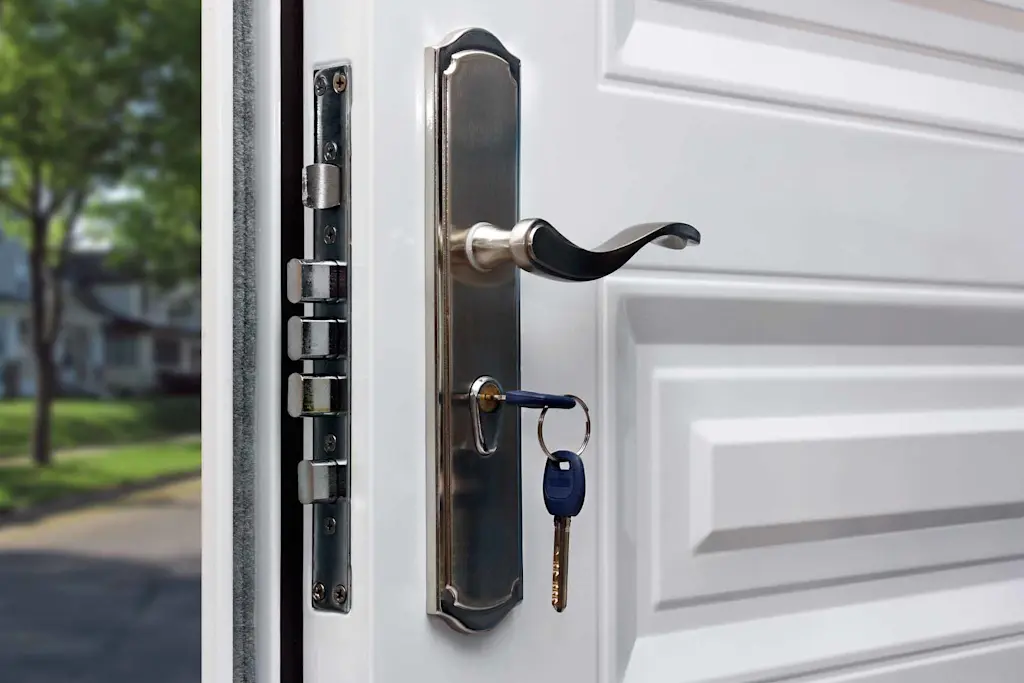
Single cylinder deadbolts are the most prevalent option for residential doors. These locks feature a key cylinder on the exterior and a thumbturn on the interior. You lock and unlock the door from the outside with a key, and from the inside with a simple twist of the thumbturn.
- Advantages: Easy to use for residents; quick to lock or unlock from inside in case of emergency.
- Drawbacks: If your door has glass panels or nearby windows, an intruder could potentially break the glass and reach in to turn the thumbturn.
Double Cylinder Deadbolts: Enhanced Security for Glass Doors
Double cylinder deadbolts use key cylinders on both sides of the door. This means you need a key to operate the lock from both the inside and outside.
- Advantages: Adds security for doors with glass panels or windows nearby, as a burglar cannot simply reach in and unlock the door.
- Drawbacks: Can pose a safety risk in emergencies, as you’ll need a key to exit. This can be a concern during fires or other urgent situations.
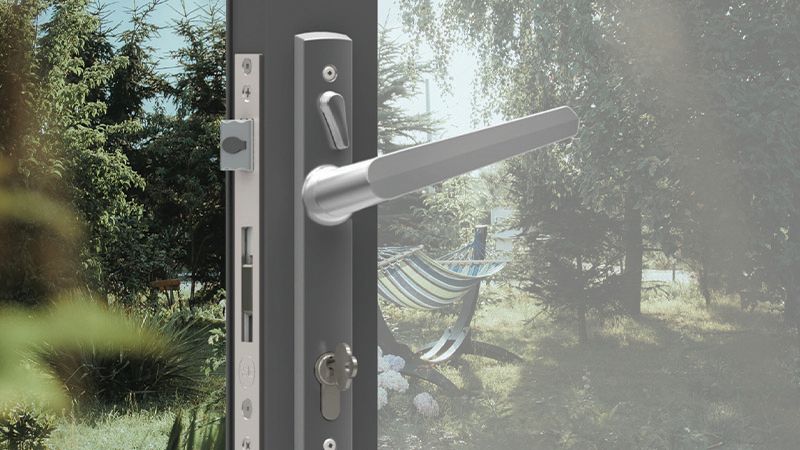
Keyless and Electronic Deadbolts: Modern Security Solutions
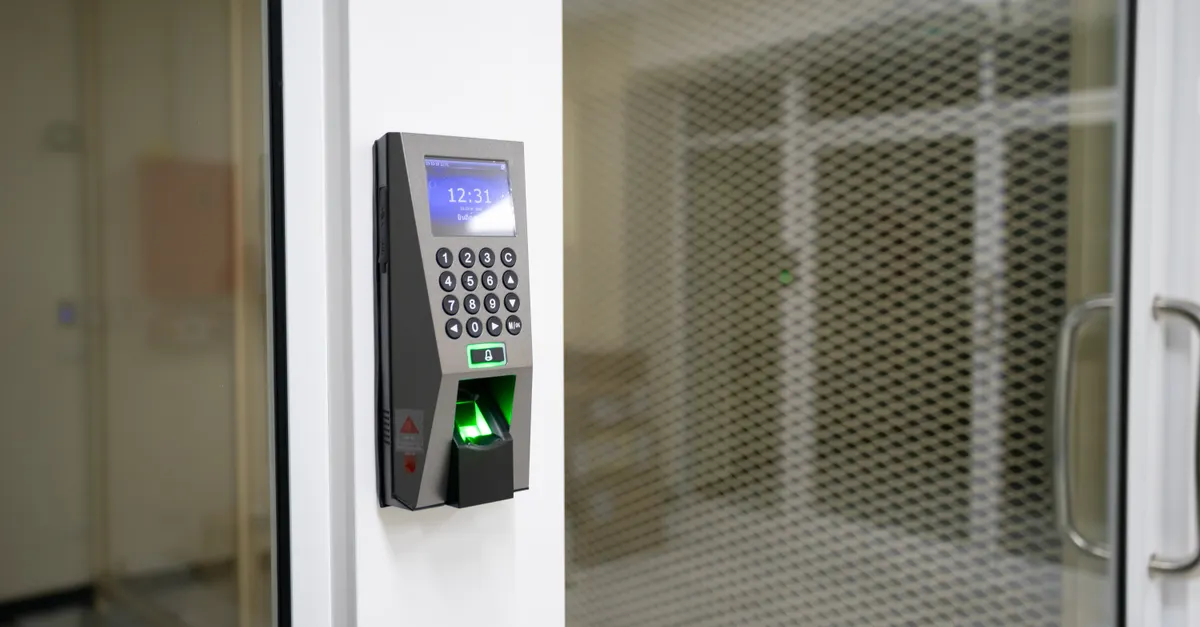
Keyless deadbolts, including electronic and smart locks, are gaining popularity for their convenience and advanced features. These locks may use keypads, fingerprint readers, or smartphone connectivity instead of traditional keys.
- Advantages: No need for physical keys; can offer features like temporary codes for guests, remote access, and activity logs.
- Drawbacks: Dependence on batteries or electrical power; may require more complex installation and setup.
Specialty Deadbolt Designs and Their Uses
Beyond the standard single and double cylinder models, there are specialty deadbolts designed for unique security challenges or specific door types.
Vertical Deadbolts: Added Protection Against Forced Entry
Vertical deadbolts, sometimes called jimmy-proof locks, are mounted on the inside surface of the door. The locking bolt moves vertically into a strike plate, making it difficult for intruders to pry the door open with tools.
- Advantages: Excellent resistance to prying and jimmying attacks; often used on apartment doors and double doors.
- Drawbacks: May not be suitable for all door types; installation can be more involved than standard deadbolts.
Captive Thumbturn Deadbolts: Balancing Safety and Security
This hybrid design combines features of single and double cylinder deadbolts. The interior thumbturn can be removed or “captive,” requiring a key to operate when needed (such as when away from home), but functioning as a standard thumbturn when present.
- Advantages: Offers flexibility—secure like a double cylinder when needed, but safe and convenient for daily use.
- Drawbacks: May be more expensive and less common than standard options.
Important Factors When Choosing a Deadbolt
When selecting a deadbolt, consider these key factors to ensure you’re getting the right level of protection and convenience:
- Door Material and Thickness: Not all deadbolts are compatible with every door type. Check manufacturer guidelines for compatibility.
- Security Grade: Look for locks rated by ANSI/BHMA. Grade 1 offers the highest residential security, followed by Grades 2 and 3.
- Ease of Use: Think about who will be using the lock. Elderly family members or children may prefer simple thumbturn operation over complex keypads.
- Emergency Egress: Always balance security with the ability to exit quickly in an emergency, especially for doors that serve as primary exits.
- Budget: Prices vary widely. Mechanical deadbolts are generally less expensive than electronic or specialty models.
Comparing Deadbolt Types: Pros and Cons at a Glance
| Deadbolt Type | Best For | Pros | Cons |
|---|---|---|---|
| Single Cylinder | Most residential doors | Simple, affordable, easy to use | Vulnerable if glass is nearby |
| Double Cylinder | Doors with glass panels | Extra security | Can hinder emergency exit |
| Keyless/Electronic | Tech-savvy users, rentals | No keys needed, remote access | Battery/power dependent |
| Vertical/Jimmy-Proof | Apartment, double doors | Resists prying | Limited compatibility |
| Captive Thumbturn | Flexible security needs | Adjustable operation | Higher cost, less common |
Tips for Maximizing Deadbolt Security
Even the strongest deadbolt can be compromised if not installed or maintained properly. Here are some practical tips to get the most out of your lock:
- Use a reinforced strike plate with long screws that penetrate the door frame for added resistance against forced entry.
- Regularly inspect your locks for signs of wear, rust, or misalignment. For metal locks, consider following file cabinet lock rust prevention tips to extend their lifespan.
- If you notice sticking, difficulty turning the key, or other issues, consult a locksmith or review a file cabinet lock repair FAQ to troubleshoot common problems.
- For added peace of mind, consider upgrading to Grade 1 hardware, especially for main entry doors.
Further Reading and Trusted Resources
For a deeper dive into deadbolt security, check out this comprehensive overview of deadbolt lock types and security tips from a leading lock manufacturer. Staying informed helps you make choices that protect your property and loved ones.
Frequently Asked Questions
What is the difference between a deadbolt and a standard door lock?
A deadbolt uses a solid metal bolt that extends deep into the door frame, making it much harder to force open than a spring-bolt lock, which can often be bypassed with a credit card or simple tools.
Are electronic deadbolts as secure as traditional ones?
Modern electronic deadbolts can be just as secure as mechanical models, provided they are installed correctly and use strong encryption for smart features. Always choose reputable brands and follow best practices for digital security.
Can I install a deadbolt myself, or should I hire a locksmith?
Many homeowners can install a basic deadbolt with standard tools, but for optimal security—especially with specialty or electronic models—professional installation is recommended. This ensures proper alignment and maximum resistance to tampering.
Conclusion
Understanding the types of deadbolt locks explained in this guide empowers you to make the best choice for your security needs. Whether you opt for a classic single cylinder, a high-tech keyless model, or a specialty design, the right deadbolt can greatly enhance your peace of mind. Always consider your door type, security requirements, and emergency needs before making a final decision.