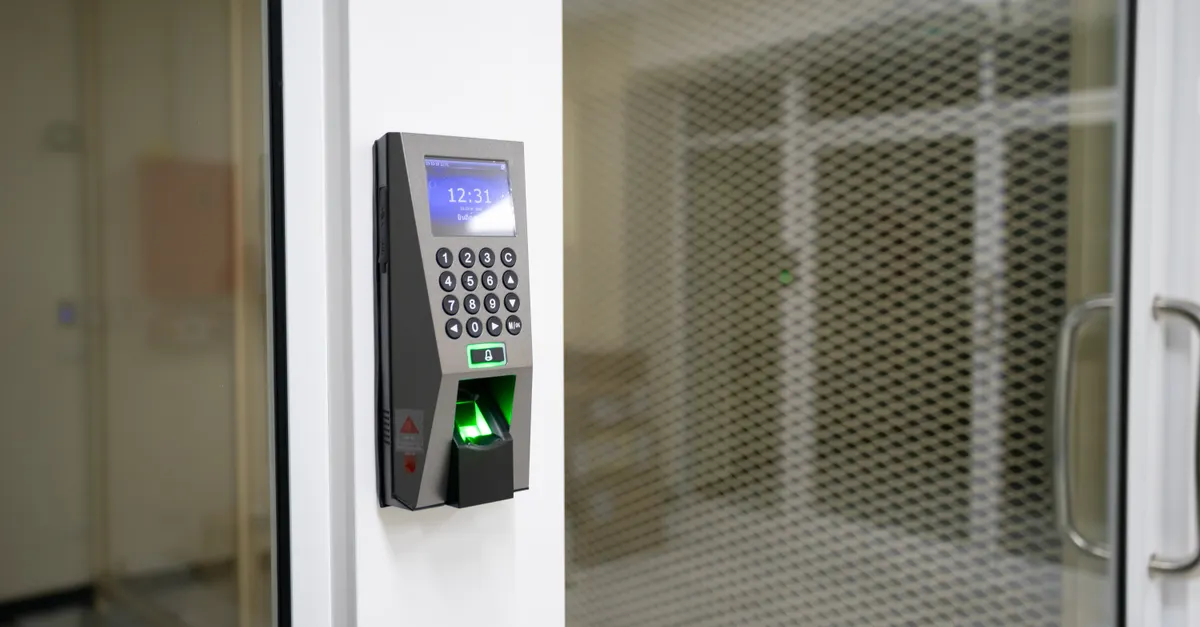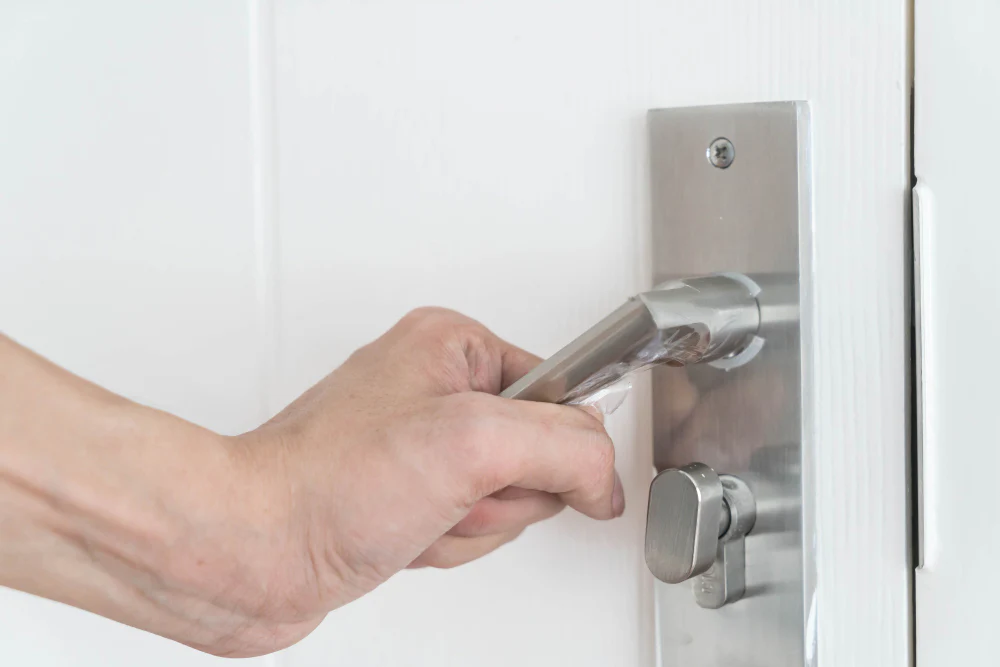
Choosing the right deadbolt is a crucial decision for anyone looking to improve home security. Among the most common options are single cylinder and double cylinder deadbolts. While both provide a strong layer of protection for exterior doors, their mechanisms and use cases differ in ways that can significantly impact safety, convenience, and code compliance. Understanding the distinctions between these two lock types helps homeowners and property managers make informed decisions for their specific needs.
For a broader overview of lock options, you may also find the types of deadbolt locks explained guide helpful as a starting point.
Understanding Deadbolt Mechanisms
Deadbolts are a staple in residential and commercial security. Unlike spring bolt locks, deadbolts require a key or thumbturn to operate, making them more resistant to forced entry. The two main types—single and double cylinder—differ in how they are locked and unlocked from inside and outside the door.
What Is a Single Cylinder Deadbolt?
A single cylinder deadbolt features a key cylinder on the exterior side and a thumbturn on the interior. This design allows you to unlock or lock the door from the inside without a key, simply by turning the thumbturn. From the outside, a key is required to operate the lock.
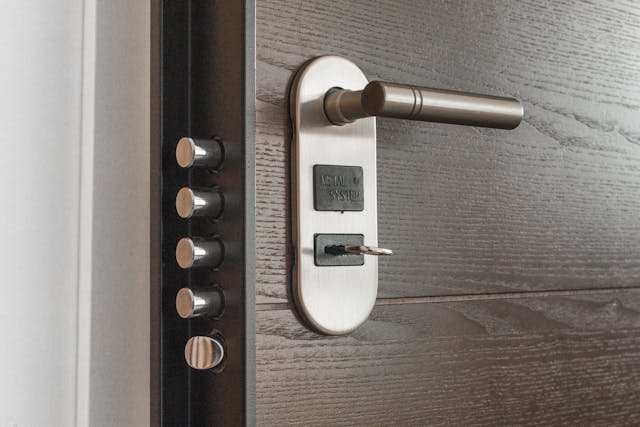
This configuration is highly popular for residential front doors and other exterior entries. The main advantage is convenience—residents can quickly exit in an emergency without searching for a key. However, if there is glass near the door, an intruder could potentially break the glass, reach in, and turn the thumbturn to unlock the door.
How Does a Double Cylinder Deadbolt Work?
In contrast, a double cylinder deadbolt requires a key to operate from both the inside and outside. There is no thumbturn; both sides have a keyed cylinder. This setup is often chosen for doors with glass panels or windows nearby, as it prevents someone from unlocking the door by reaching through broken glass.

While this design enhances security, it can pose a safety risk in emergencies. If a key is not readily available on the inside, it may delay exit during a fire or other urgent situations. For this reason, building codes in some areas restrict or prohibit the use of double cylinder deadbolts on certain doors.
Comparing Security and Practicality
When weighing single cylinder vs double cylinder deadbolt options, consider both security needs and daily usability. Here’s a breakdown of the main differences:
| Feature | Single Cylinder | Double Cylinder |
|---|---|---|
| Operation from Inside | Thumbturn (no key needed) | Key required |
| Operation from Outside | Key required | Key required |
| Security (Glass Nearby) | Vulnerable if glass is present | More secure against reach-in attacks |
| Emergency Exit | Quick and easy | May be delayed if key is missing |
| Code Compliance | Generally accepted | Restricted in some areas |
When to Choose Each Deadbolt Type
The best choice depends on your specific door setup and security priorities:
- Single cylinder deadbolts are ideal for solid doors with no nearby glass or windows. They offer a balance of security and ease of use, especially for families or anyone concerned about fast emergency exits.
- Double cylinder deadbolts are recommended for doors with glass panels or windows within arm’s reach of the lock. They prevent intruders from unlocking the door by breaking glass, but require careful key management to avoid trapping occupants inside.
Always check local building codes before installing a double cylinder lock, as some jurisdictions require that egress doors be operable from the inside without a key for fire safety reasons.
Installation and Maintenance Considerations
Both types of deadbolts can be installed on most standard doors, but the process and maintenance differ slightly:
- Single cylinder locks are straightforward to install and maintain. Replacing keys or the thumbturn is simple, and most hardware stores carry compatible parts.
- Double cylinder locks require careful attention to key management. Always keep a key accessible on the inside, but out of reach from potential intruders. Some homeowners use a key hook or magnetic holder near the door, but hidden from view.
For more details on deadbolt varieties and installation tips, the guide to common deadbolt types provides an in-depth look at available options and their features.
Pros and Cons of Each Lock Type
Advantages of Single Cylinder Deadbolts
- Convenience: Easy to lock and unlock from inside without a key.
- Emergency Safety: Fast exit in case of fire or other emergencies.
- Widespread Acceptance: Meets most residential building codes.
Drawbacks of Single Cylinder Deadbolts
- Security Risk: Vulnerable if glass is near the lock, as intruders can reach the thumbturn.
Benefits of Double Cylinder Deadbolts
- Enhanced Security: Prevents unlocking by reaching through broken glass.
- Suitable for Glass Doors: Ideal for doors with windows or sidelights.
Potential Downsides of Double Cylinder Deadbolts
- Emergency Exit Delay: Can slow evacuation if the key is misplaced.
- Code Restrictions: May not be allowed on certain doors by local regulations.
Safety Tips and Best Practices
Regardless of which deadbolt you choose, follow these best practices to maximize both security and safety:
- Always keep keys accessible to household members, especially for double cylinder locks.
- Do not leave keys in plain sight or within reach of glass panels.
- Regularly inspect and maintain your locks for smooth operation.
- Consider upgrading to high-security deadbolts or smart locks for added protection.
For more advice on maintaining and troubleshooting locks in office or home settings, you may find resources like common office lock repairs useful.
Frequently Asked Questions
Are double cylinder deadbolts legal everywhere?
No, some local building codes restrict or prohibit double cylinder deadbolts on egress doors due to fire safety concerns. Always check your local regulations before installation.
Which deadbolt is safer in an emergency?
Single cylinder deadbolts allow for quick exit without a key, making them safer in emergencies like fires. Double cylinder models can delay exit if a key is not readily available inside.
Can I convert a single cylinder deadbolt to a double cylinder?
It is possible to replace a single cylinder lock with a double cylinder model if your door is compatible. However, ensure you comply with local codes and understand the safety implications before making the switch.