If you’re looking to improve your home’s security, understanding what is a deadbolt lock is a crucial first step. Deadbolts are among the most reliable and widely used locking mechanisms for residential and commercial doors. Unlike standard spring bolt locks, deadbolts offer enhanced protection against forced entry, making them a preferred choice for property owners who prioritize safety.
This guide breaks down the essentials of deadbolt locks, including how they work, the different types available, and what to consider when choosing one for your doors. Whether you’re upgrading your current locks or learning about home security for the first time, you’ll find practical information to help you make informed decisions.
For a deeper dive into the differences between single cylinder vs double cylinder deadbolt options, check out our detailed comparison. Understanding these variations can help you select the most suitable lock for your needs.
Understanding the Basics of Deadbolt Locks
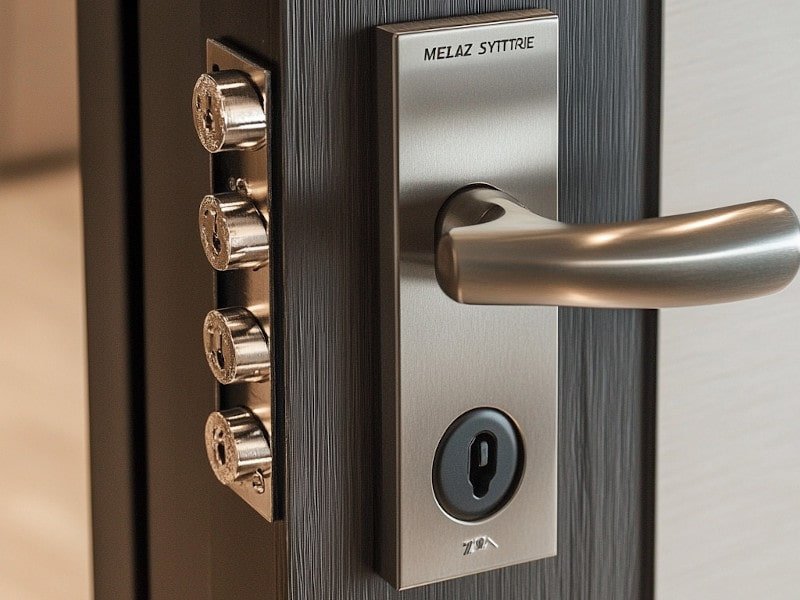
At its core, a deadbolt is a locking mechanism that uses a solid metal bolt to secure a door. Unlike spring-loaded locks, which can be easily forced open with a credit card or similar tool, deadbolts require a key or a thumb turn to operate. This design makes them far more resistant to break-ins and physical attacks.
The main components of a deadbolt lock include:
- Bolt: The solid metal piece that extends into the door frame to secure the door.
- Lock Cylinder: The part where you insert the key to operate the bolt.
- Strike Plate: The metal plate attached to the door frame that receives the bolt.
- Thumb Turn: An interior lever that allows you to lock or unlock the deadbolt from inside.
These elements work together to provide a robust barrier against unauthorized entry, making deadbolts a fundamental part of modern door security.
Types of Deadbolt Locks Explained
There are several variations of deadbolt locks, each designed for specific security needs and preferences. The most common types include:
- Single Cylinder Deadbolt: Operated with a key from the outside and a thumb turn from the inside. This is the most widely used type for residential doors.
- Double Cylinder Deadbolt: Requires a key to operate from both sides of the door. This type is ideal for doors with glass panels, as it prevents intruders from unlocking the door by breaking the glass and reaching inside.
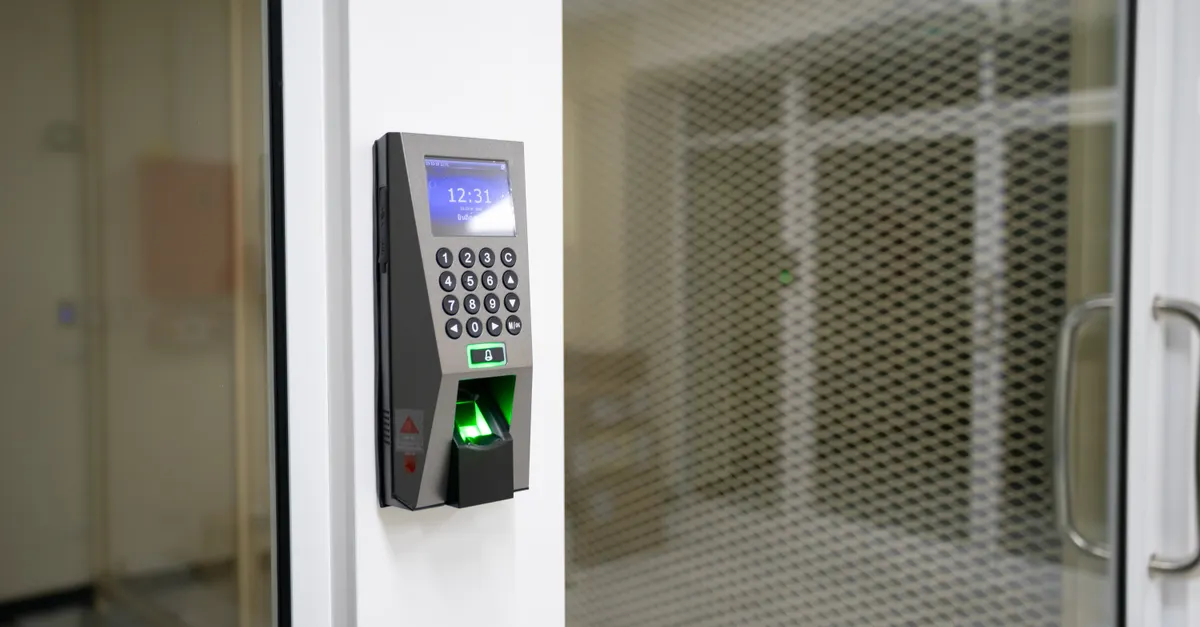
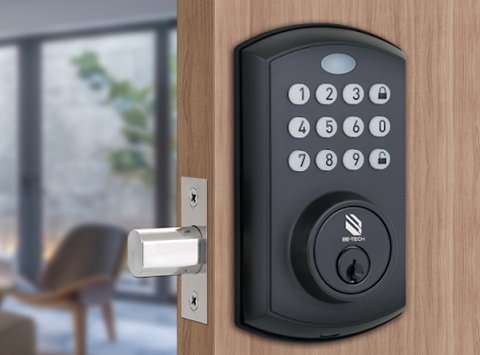
- Keyless or Electronic Deadbolt: Uses a keypad, touchscreen, or smart device for access instead of a traditional key. These models often offer features like remote locking, temporary codes, and integration with home automation systems.
If you want to explore the full range of options, our resource on types of deadbolt locks explained provides a comprehensive overview of available models and their unique benefits.
How Deadbolts Enhance Door Security
One of the main reasons homeowners choose deadbolts is their superior resistance to forced entry. Here’s how these locks contribute to a safer environment:
- Resists Lock Picking and Bumping: The design of a deadbolt makes it much harder for intruders to manipulate the lock using common burglary techniques.
- Prevents Forced Entry: The solid metal bolt extends deep into the door frame, making it difficult to kick in or pry open the door.
- Durable Construction: Deadbolts are typically made from hardened steel or brass, offering long-lasting protection.
For more insights into the security benefits, you can read our article on how deadbolts improve home security and what you need to know about their effectiveness.
Choosing the Right Deadbolt for Your Needs
Selecting the best deadbolt for your property involves considering several factors:
- Door Material and Thickness: Ensure the lock is compatible with your door’s construction.
- Security Grade: Look for locks that meet ANSI (American National Standards Institute) Grade 1 or 2 standards for maximum protection.
- Type of Access: Decide whether you prefer a traditional keyed lock or a modern keyless entry system.
- Installation Requirements: Some deadbolts require professional installation, while others are suitable for DIY projects.
- Budget: Prices vary based on features and security level, so choose a lock that fits your needs and budget.
It’s also wise to consider the location of the door and the level of risk in your area. For example, exterior doors facing the street may benefit from double cylinder or high-security electronic deadbolts.

Installation and Maintenance Tips
Proper installation is key to maximizing the effectiveness of any deadbolt. Here are some tips to ensure your lock performs as intended:
- Follow the manufacturer’s instructions carefully or hire a professional locksmith for installation.
- Use long screws (at least 3 inches) to secure the strike plate to the door frame for added strength.
- Regularly check the alignment of the bolt and strike plate to prevent sticking or jamming.
- Lubricate the lock cylinder and bolt with graphite or a silicone-based lubricant to keep it operating smoothly.
Routine maintenance not only extends the life of your lock but also ensures it remains a dependable barrier against intruders.
Comparing Deadbolts to Other Lock Types
While deadbolts are a popular choice for exterior doors, it’s helpful to understand how they differ from other locking mechanisms:
| Lock Type | Security Level | Common Uses |
|---|---|---|
| Deadbolt | High | Exterior doors, main entrances |
| Spring Bolt | Medium | Interior doors, bedrooms |
| Mortise Lock | High | Commercial doors, some residential |
| Electronic/Smart Lock | Varies | Front doors, offices, rentals |
Deadbolts stand out for their simplicity and strength, making them a foundational element in most home security systems.
Further Reading and Resources
If you’re interested in learning about the various different types of deadbolt locks and their unique features, this external guide offers a thorough overview. Exploring multiple sources can help you make the most informed choice for your property.
For those concerned with lock maintenance, our tips on file cabinet lock rust prevention tips can also be applied to deadbolts and other door hardware.
Frequently Asked Questions
Are deadbolt locks really more secure than regular locks?
Yes, deadbolts provide a higher level of security compared to standard spring bolt locks. Their solid metal bolt and key-operated mechanism make them much harder to force open, pick, or bypass.
Can I install a deadbolt on any door?
Most solid wood or metal doors can accommodate a deadbolt. However, hollow-core doors or doors with glass panels may require special considerations or reinforcement to ensure optimal security.
What’s the difference between single and double cylinder deadbolts?
A single cylinder deadbolt uses a key on the outside and a thumb turn on the inside, while a double cylinder requires a key on both sides. Double cylinder models are often used on doors with glass panels to prevent intruders from unlocking the door by reaching through broken glass.
How often should I maintain or replace my deadbolt?
It’s a good idea to inspect and lubricate your deadbolt at least once a year. Replace the lock if you notice signs of wear, difficulty turning the key, or after a security incident such as a break-in attempt.