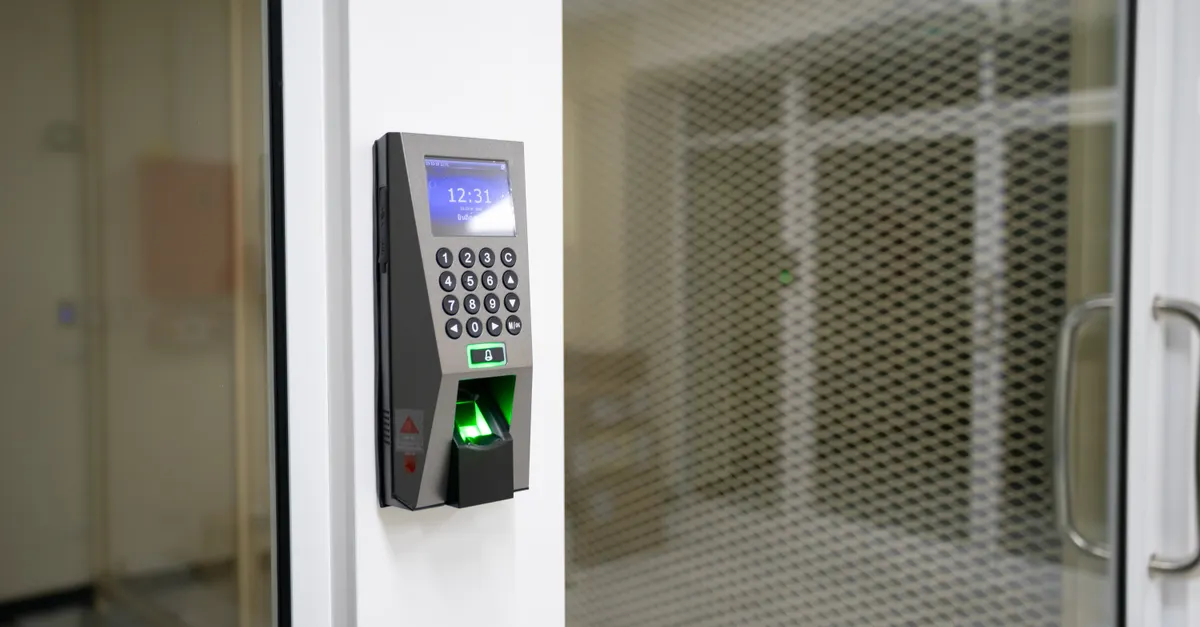
Secure access to workspaces, storage cabinets, and private offices is essential for any business. Over time, locks in office environments can develop problems due to frequent use, environmental factors, or simple wear and tear. Understanding common office lock repairs helps facility managers, office administrators, and employees maintain a safe and efficient workspace. This guide explores the most frequent lock issues encountered in offices, practical repair tips, and when to call a professional locksmith.
Whether it’s a jammed file cabinet, a sticky door lock, or a malfunctioning desk drawer, knowing how to address these problems quickly can prevent lost productivity and potential security risks. For those dealing with moisture-related issues, you might find the file cabinet lock humidity damage repair resource helpful for tackling humidity-induced lock failures.
Typical Problems with Office Locks
Offices rely on a variety of locks, from file cabinets and storage closets to main entry doors and individual workstations. The most frequent issues include:
- Key won’t turn or insert – Often caused by dirt, debris, or worn key cuts.
- Lock cylinder spins – Usually a sign of a detached cam or loose retaining screw.
- Stuck or jammed lock – Can result from misalignment, internal corrosion, or foreign objects.
- Broken or bent keys – Common with older locks or excessive force.
- Lock not latching – Often due to misaligned strike plates or worn internal springs.
Addressing these issues promptly is crucial for maintaining security and workflow. Some problems can be resolved with basic tools and knowledge, while others require professional intervention.

Repairing File Cabinet and Desk Drawer Locks
File cabinets and desk drawers are among the most used locking mechanisms in offices. Over time, these can become difficult to operate or fail entirely. Here are some practical steps for addressing typical issues:
Fixing a Jammed or Sticky Lock
- Remove any visible debris from the keyway using compressed air.
- Apply a graphite-based lubricant (avoid oil-based products that attract dust).
- Gently wiggle the key in and out to distribute the lubricant.
- If the lock remains stuck, the internal mechanism may be corroded or broken, requiring replacement.
For more persistent problems, such as locks affected by seasonal changes or freezing, resources like file cabinet lock seasonal maintenance and file cabinet lock freezing problem fix provide targeted advice.
Dealing with Broken Keys
If a key snaps off inside a lock, use needle-nose pliers or a broken key extractor to remove the fragment. Avoid using excessive force, as this can damage the cylinder. If extraction fails, a locksmith can remove the broken piece and cut a new key.
Replacing a Faulty Lock
When a lock is beyond repair, replacement is often straightforward. Remove the retaining screw or clip, slide out the old cylinder, and install a new one. For step-by-step instructions, refer to guides such as how to install a filing cabinet lock for detailed installation tips.

Addressing Door Lock and Entry System Issues
Office entry doors, meeting rooms, and storage areas often use more robust locks, such as mortise, cylindrical, or electronic keypad systems. Common repairs include:
- Loose handles or knobs – Tighten mounting screws or replace worn components.
- Misaligned latch or strike plate – Adjust the strike plate position for smooth operation.
- Electronic lock malfunctions – Replace batteries, check wiring, or reset the system.
For locks exposed to harsh environments, such as exterior doors, corrosion is a frequent issue. If you notice rust or difficulty turning the key, consult resources like file cabinet lock corrosion fix for guidance on removing and preventing rust.
Preventive Maintenance for Office Locks
Regular maintenance can reduce the frequency of repairs and extend the life of your office locks. Consider these best practices:
- Clean keyways periodically with compressed air to remove dust and debris.
- Lubricate locks with graphite or silicone-based products every six months.
- Inspect locks for signs of wear, corrosion, or misalignment.
- Replace worn keys to prevent breakage and ensure smooth operation.
- Educate staff on proper use—avoid slamming drawers or forcing keys.
Seasonal changes can also impact lock performance. For tips on protecting locks during winter, see file cabinet lock stuck in winter for advice on preventing freezing and sticking.
When to Call a Professional Locksmith
While many minor lock issues can be handled in-house, certain situations require expert assistance:
- Locks that have been tampered with or show signs of forced entry.
- Repeated failures after basic troubleshooting.
- Lost master keys or compromised access control systems.
- Complex electronic or high-security lock malfunctions.
Professional locksmiths have the tools and expertise to diagnose and resolve advanced problems, rekey locks, and upgrade security systems as needed. For urgent situations, 24/7 locksmith services are available to minimize downtime and restore security quickly.
Frequently Asked Questions
What should I do if my office lock is jammed and won’t turn?
First, try cleaning the keyway with compressed air and applying a graphite-based lubricant. Gently wiggle the key to distribute the lubricant. If the lock remains stuck, the internal mechanism may be damaged or corroded, and it’s best to contact a locksmith for further assistance.
How can I prevent my file cabinet locks from rusting?
Keep cabinets in dry, well-ventilated areas and regularly clean and lubricate the locks. If you notice early signs of rust, remove it with a rust remover and apply a protective lubricant. For more detailed steps, refer to resources on file cabinet lock corrosion fix.
Is it possible to rekey office locks instead of replacing them?
Yes, many office locks can be rekeyed, which involves changing the internal pins so old keys no longer work. This is a cost-effective way to maintain security after staff changes or lost keys without replacing the entire lock mechanism.
Conclusion
Understanding the most frequent lock issues in office environments empowers you to address minor problems quickly and know when to seek professional help. Regular maintenance, prompt repairs, and proper use can keep your workspace secure and efficient. For persistent or complex problems, don’t hesitate to reach out to a trusted locksmith for expert support.