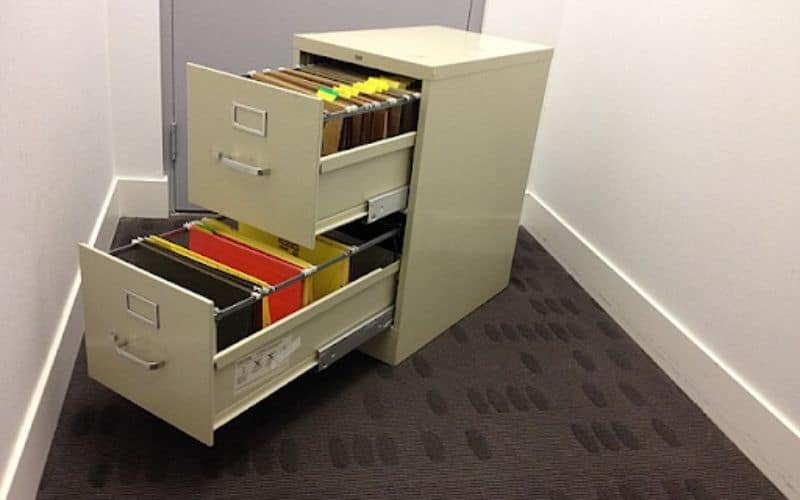
Proper care of your file cabinet locks is essential for keeping sensitive documents secure and ensuring smooth daily operations. Over time, environmental changes and regular use can cause wear and tear, making it important to adopt a consistent file cabinet lock seasonal maintenance routine. Addressing issues before they become major problems will extend the life of your locks, reduce the risk of malfunctions, and help you avoid costly repairs or replacements.
This guide covers practical steps for maintaining file cabinet locks throughout the year, including cleaning, lubrication, inspection, and troubleshooting. You’ll also find tips for addressing common issues, such as freezing in winter or sticking mechanisms during humid months. For those interested in maximizing lock durability, check out the file cabinet lock durability tips article for additional insights.
Why Regular Maintenance Matters for File Cabinet Locks
File cabinet locks are often overlooked until they stop working. However, regular attention helps prevent issues such as jamming, key breakage, or complete lock failure. Seasonal changes—like increased humidity in summer or freezing temperatures in winter—can impact the internal components of a lock. By performing seasonal maintenance on file cabinet locks, you can:
- Reduce the risk of lockouts and stuck drawers
- Prevent rust and corrosion caused by moisture
- Ensure smooth locking and unlocking year-round
- Prolong the lifespan of both the lock and the cabinet
For a deeper understanding of how long these locks typically last, the file cabinet lock lifespan guide offers valuable information on longevity and replacement timelines.
Essential Steps for Year-Round File Cabinet Lock Care
Developing a routine for file cabinet lock seasonal maintenance ensures your locks remain functional and secure. Here are the core steps to follow throughout the year:
Cleaning the Lock Mechanism
Dirt, dust, and debris can accumulate inside the lock cylinder, leading to sticking or jamming. To clean:
- Use a can of compressed air to blow out dust from the keyway.
- Wipe the exterior with a soft, dry cloth to remove grime.
- For stubborn buildup, use a cotton swab lightly dampened with rubbing alcohol.
Regular cleaning is especially important after periods of heavy use or if the cabinet is located in a dusty environment.
Lubrication: Keeping Locks Moving Smoothly
Lubrication is a critical part of seasonal maintenance. The right lubricant prevents internal parts from seizing up, especially during extreme temperatures. Follow these guidelines:
- Use a graphite-based lubricant or a dry Teflon spray—avoid oil-based products, which can attract dust.
- Insert the lubricant into the keyway and operate the lock several times to distribute it evenly.
- Lubricate at least twice a year, ideally at the start of winter and summer.
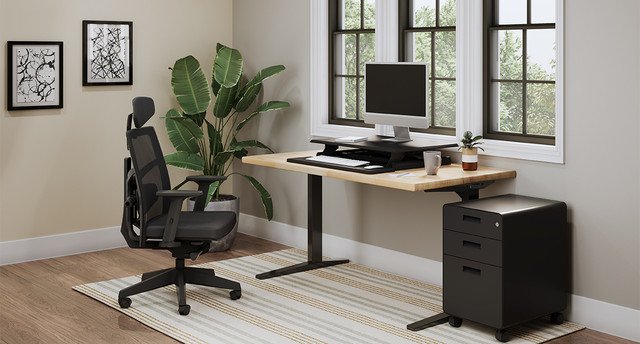
Inspecting for Wear and Damage
Seasonal inspections help catch minor issues before they escalate. During each check:
- Examine the lock for signs of rust, corrosion, or discoloration.
- Test the key for smooth operation—if it sticks or feels rough, further cleaning or lubrication may be needed.
- Check for loose screws or misaligned parts on the lock and cabinet face.
Addressing these problems promptly can prevent sudden lock failures and maintain security.
Addressing Common Seasonal Challenges
Different times of year present unique challenges for file cabinet locks. Here’s how to handle the most common seasonal issues:
Winter: Preventing Freezing and Sticking
Cold weather can cause condensation inside locks, leading to freezing or sticking mechanisms. To prevent this:
- Keep the cabinet in a temperature-controlled area if possible.
- Apply a graphite lubricant before the onset of cold weather.
- If a lock does freeze, avoid forcing the key—instead, gently warm the key with your hands before inserting.
For more targeted advice, the file cabinet lock freezing problem fix guide provides step-by-step solutions for winter-related lock issues.
Summer: Combating Humidity and Rust
High humidity can accelerate rust and corrosion. To protect your locks:
- Wipe down the exterior regularly to remove moisture.
- Use silica gel packets inside the cabinet to absorb excess humidity.
- Inspect for early signs of rust and address them immediately with a rust remover or lubricant.
Spring and Fall: General Tune-Ups
Transitional seasons are ideal for a thorough inspection and maintenance session. Check all moving parts, tighten any loose hardware, and ensure the lock is operating smoothly. This proactive approach helps you catch issues before they worsen during more extreme weather.
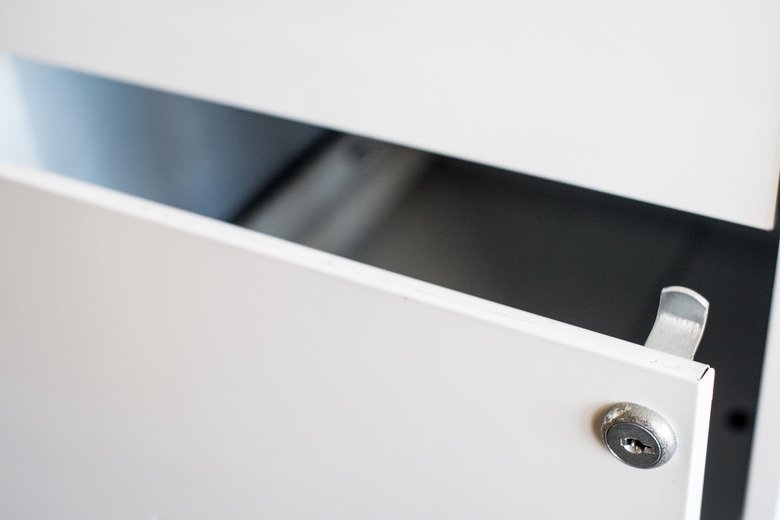
When to Repair or Replace File Cabinet Locks
Even with diligent seasonal maintenance for file cabinet locks, some problems may require professional attention. Consider repair or replacement if you notice:
- Keys that consistently stick or break inside the lock
- Visible cracks or severe rust on the lock body
- Locks that no longer secure the cabinet properly
- Repeated issues despite cleaning and lubrication
For step-by-step instructions on fixing common lock problems, the DIY guide to repairing a broken filing cabinet lock is a helpful resource. If the lock is beyond repair, replacing it is often the safest option to maintain security.
Best Practices for Long-Term Lock Performance
In addition to seasonal routines, there are several best practices that will help your file cabinet locks last longer and perform reliably:
- Keep spare keys in a secure, accessible location to avoid emergencies.
- Train staff on proper lock use—never force keys or slam drawers shut.
- Schedule maintenance checks at least twice a year, or more frequently in high-traffic areas.
- Consult the best practices for file cabinet lock care guide for a detailed maintenance schedule and expert tips.
FAQ: File Cabinet Lock Maintenance and Troubleshooting
How often should I perform maintenance on my file cabinet locks?
It’s recommended to inspect and maintain your locks at least twice a year—once before winter and once before summer. High-use cabinets or those in challenging environments may require more frequent attention.
What type of lubricant is best for file cabinet locks?
Graphite-based lubricants or dry Teflon sprays are ideal, as they don’t attract dust or dirt. Avoid oil-based products, which can cause buildup inside the lock mechanism.
What should I do if my file cabinet lock freezes in winter?
If your lock freezes, avoid forcing the key. Try gently warming the key with your hands or use a lock de-icer. For ongoing issues, refer to resources like the file cabinet lock freezing problem fix article for detailed solutions.
Can I repair a broken file cabinet lock myself?
Minor issues, such as cleaning or lubricating, can often be handled without professional help. However, if the lock is severely damaged or the key is broken inside, it may be best to consult a locksmith or follow a DIY repair guide for broken filing cabinet locks.
How can I make my file cabinet locks last longer?
Regular cleaning, proper lubrication, and timely inspections are key. Following a consistent file cabinet lock seasonal maintenance routine and educating users about gentle operation will significantly extend the life of your locks.