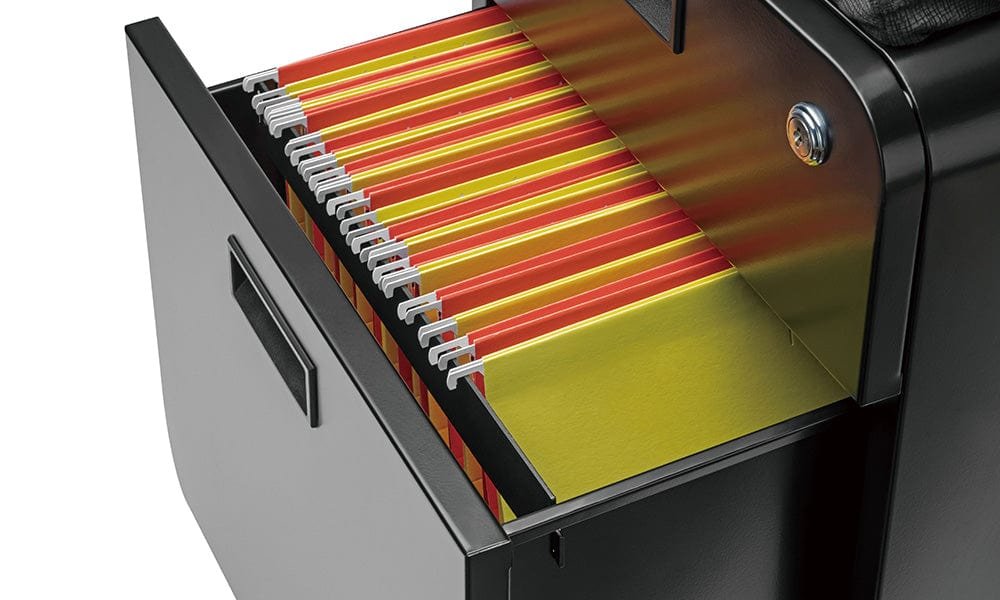
File cabinet locks are a critical component in keeping sensitive documents and valuables secure in offices, schools, and homes. However, like any mechanical device, these locks require regular attention to function reliably over time. Adopting best practices for file cabinet lock care not only extends the life of your locks but also helps prevent inconvenient lockouts and costly repairs. This article outlines a practical maintenance schedule, actionable tips, and essential care guidelines for anyone responsible for secure storage.
Whether you manage a busy office or simply want to safeguard personal files, understanding how to maintain your cabinet locks is essential. Proactive care can prevent common issues such as sticking, jamming, or key breakage. For those seeking more detailed advice on keeping locks in top shape, the file cabinet lock lubrication guide provides step-by-step instructions on proper lubrication techniques.
Why Regular File Cabinet Lock Maintenance Matters
Neglecting routine care can lead to a range of problems, from minor annoyances to major security risks. Dust, debris, and lack of lubrication are common culprits behind malfunctioning locks. Regular maintenance ensures that locks operate smoothly, keys turn easily, and the risk of accidental lockouts is minimized. In environments where cabinets are accessed frequently, a consistent care routine is even more important.
Proper upkeep also helps you spot early signs of wear or tampering, allowing for timely intervention before issues escalate. By following a structured schedule, you can maximize the lifespan of your locking mechanisms and maintain the overall security of your storage systems.
Establishing a Maintenance Schedule for Cabinet Locks
Implementing a clear schedule is one of the best practices for file cabinet lock care. The frequency of maintenance depends on usage, environment, and the type of lock installed. Here’s a recommended timeline for most office and home settings:
- Monthly: Inspect locks for visible dirt, dust, or signs of damage. Wipe down the exterior and check for smooth operation.
- Quarterly: Lubricate the lock cylinder using a non-greasy, graphite-based lubricant. Test all keys and ensure they are not bent or worn.
- Annually: Perform a thorough inspection of the locking mechanism, check for loose screws or misalignment, and replace any worn parts.
For step-by-step instructions on lubrication, refer to the file cabinet lock lubrication guide. If you notice persistent issues, consult a professional locksmith for further assessment.
Key Steps in File Cabinet Lock Care
Adhering to a routine is crucial, but the quality of each maintenance step matters just as much. Here are the core actions to include in your care regimen:
- Cleaning: Use a soft, dry cloth to remove dust and debris from the lock face and keyhole. Avoid using water or harsh chemicals, as these can cause corrosion.
- Lubrication: Apply a small amount of graphite powder or a lock-specific lubricant to the keyhole. Insert and turn the key several times to distribute the lubricant evenly.
- Inspection: Check for any signs of rust, wear, or tampering. Ensure that the lock is firmly attached to the cabinet and that all screws are tight.
- Key Management: Store spare keys in a secure location. Avoid forcing keys into the lock, and replace any that show signs of bending or excessive wear.
Following these steps helps maintain smooth operation and reduces the likelihood of unexpected lockouts or failures.

Common Problems and How to Prevent Them
Even with regular care, certain issues can arise. Here are some of the most frequent problems and how to address them:
- Sticking or Jammed Locks: Often caused by dirt or lack of lubrication. Regular cleaning and proper lubrication can prevent this.
- Broken Keys: Keys can snap if forced or if the lock is misaligned. Always ensure the key is fully inserted before turning, and replace worn keys promptly.
- Misalignment: If the lock or cabinet becomes misaligned, it can be difficult to operate. Check for loose screws or warped cabinet doors and adjust as needed.
- Corrosion or Rust: Moisture can cause metal parts to rust. Keep cabinets in dry environments and avoid using water-based cleaners on locks.
If you’re unsure how to resolve a specific issue, the office drawer lock repair guide offers practical troubleshooting steps for common lock problems.
Tips for Extending Lock Lifespan
To ensure your locks last as long as possible, consider these additional tips:
- Use the Right Key: Only use the original or manufacturer-approved keys. Avoid using makeshift tools or forcing keys into the lock.
- Limit Access: Restrict key access to trusted individuals and keep a log of who has copies.
- Upgrade When Needed: If your locks are outdated or frequently malfunctioning, consider upgrading to a more robust locking system. For guidance on installation, see this step-by-step filing cabinet lock installation guide.
- Monitor for Tampering: Regularly inspect for scratches, dents, or other signs of forced entry.
Being proactive with these strategies can help you avoid unnecessary expenses and maintain a secure environment for your documents and valuables.

When to Seek Professional Help
While most routine maintenance can be handled in-house, there are situations where professional assistance is necessary. If a lock is severely damaged, repeatedly jams, or shows signs of tampering, it’s best to contact a qualified locksmith. Attempting complex repairs without the right tools or expertise can worsen the problem or void warranties.
For those concerned about costs, the file cabinet lock service cost guide outlines what to expect when hiring a professional. Additionally, if you’re considering a full replacement, the file cabinet lock replacement cost article provides a helpful price comparison.
Frequently Asked Questions
How often should I lubricate my file cabinet lock?
For most environments, lubricating the lock every three to six months is sufficient. In high-use or dusty areas, more frequent lubrication may be necessary. Always use a lock-specific lubricant as recommended in the file cabinet lock lubrication guide.
What should I do if my key gets stuck or breaks in the lock?
If a key becomes stuck, avoid forcing it. Gently wiggle the key while applying light pressure. If it breaks, remove the broken piece with needle-nose pliers if possible. If you can’t remove it or the lock won’t turn, contact a locksmith for safe extraction and repair.
Are there signs that my lock needs to be replaced?
Yes. If you notice persistent sticking, visible rust, or if the lock mechanism feels loose, it may be time to replace it. Frequent malfunctions or evidence of tampering are also indicators that a new lock is needed. For more tips, the file cabinet lock durability tips article can help you assess your lock’s condition.
Conclusion
Maintaining the security and functionality of your file cabinet locks is a straightforward process when you follow a structured care routine. By cleaning, lubricating, inspecting, and managing keys regularly, you can prevent most common issues and extend the lifespan of your locking systems. Don’t wait for a problem to arise—adopt these best practices for file cabinet lock care and keep your documents and valuables safe year-round.