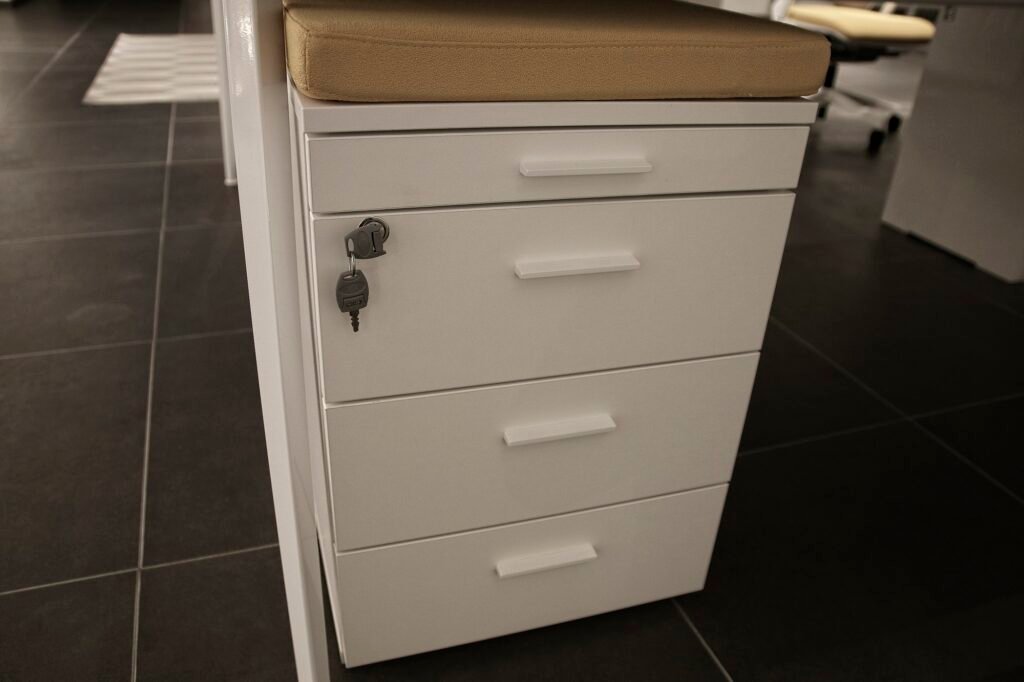
Sticking, grinding, or jammed file cabinet locks can disrupt your workflow and even compromise the security of sensitive documents. Regular maintenance is essential to ensure smooth operation and extend the life of your locking mechanisms. This file cabinet lock lubrication guide offers practical steps and expert advice for keeping your locks in top condition, helping you avoid costly repairs or replacements.
Whether you manage a busy office or simply want to maintain your home filing system, understanding the basics of lock lubrication will save you time and frustration. Before diving into the step-by-step process, consider exploring additional tips for prolonging your lock’s lifespan in our file cabinet lock durability tips article.
Why Lubrication Matters for File Cabinet Locks
Over time, dust, debris, and humidity can cause file cabinet locks to become stiff or even seize up entirely. Lubrication is a simple yet effective way to:
- Prevent rust and corrosion inside the locking mechanism
- Ensure the key turns smoothly without excessive force
- Reduce wear on internal components, prolonging lock life
- Minimize the risk of keys breaking off inside the lock
Neglecting this maintenance can lead to lockouts, damage, or the need for professional intervention. If you’re curious about the costs involved in replacing a lock, check out our file cabinet lock replacement cost comparison.
Choosing the Right Lubricant for Your File Cabinet
Not all lubricants are suitable for lock mechanisms. Using the wrong product can attract dust or gum up the works. For most file cabinets, locksmiths recommend:
- Graphite powder: A dry lubricant that won’t attract dirt and is safe for most lock types.
- PTFE (Teflon) spray: Provides long-lasting lubrication without sticky residue.
- Silicone-based sprays: Useful for metal components, but avoid oil-based products as they can collect grime.
Always avoid WD-40 or similar penetrating oils for regular maintenance, as they are designed for loosening stuck parts rather than ongoing lubrication. For more on when to repair versus replace, see our guide on file cabinet lock vs new cabinet cost.

Step-by-Step: How to Lubricate a File Cabinet Lock
Follow these steps to keep your file cabinet locks working smoothly:
- Gather your supplies: You’ll need your chosen lubricant (graphite powder or PTFE spray), a clean cloth, and your cabinet key.
- Clean the lock exterior: Wipe away dust and debris from around the keyhole and handle to prevent contaminants from entering the mechanism.
- Apply lubricant: If using graphite powder, insert the nozzle into the keyhole and squeeze gently. For sprays, use the straw attachment and apply a short burst directly into the lock.
- Insert and turn the key: Work the key in and out several times to distribute the lubricant throughout the pins and tumblers.
- Wipe away excess: Remove any overspray or powder from the lock face and surrounding area.
- Test the lock: Ensure the key turns smoothly and the lock operates as expected. Repeat application if necessary.
For more detailed repair advice, our office drawer lock repair guide covers troubleshooting for common issues.
How Often Should You Lubricate File Cabinet Locks?
The frequency of maintenance depends on usage and environment. As a rule of thumb:
- For high-traffic office cabinets, lubricate every 6–12 months.
- For home or low-use cabinets, once a year is usually sufficient.
- After exposure to moisture, dust, or if the lock feels stiff, lubricate as soon as possible.
Regular attention can prevent inconvenient lockouts. If you’re ever unable to open a stuck cabinet, you may find helpful advice in this discussion on opening a locked file cabinet.

Common Mistakes to Avoid When Lubricating Locks
Even with the right intentions, mistakes during maintenance can cause more harm than good. Avoid these pitfalls:
- Using oil-based lubricants that attract dust and gum up the mechanism
- Over-applying lubricant, which can cause buildup inside the lock
- Forgetting to clean the keyhole before application
- Neglecting to test the lock after lubricating
If you’re unsure about the process or encounter persistent issues, professional help may be required. For a breakdown of what to expect, see our file cabinet lock service cost guide.
Benefits of Regular File Cabinet Lock Maintenance
Consistent care offers several advantages:
- Reduces the risk of lockouts and lost productivity
- Extends the lifespan of both lock and key
- Maintains the security of confidential documents
- Minimizes the need for emergency locksmith services
Investing a few minutes every year in proper lubrication can save significant time and money in the long run.
FAQ: File Cabinet Lock Lubrication
What type of lubricant is safest for file cabinet locks?
Dry lubricants like graphite powder or PTFE (Teflon) sprays are safest. They don’t attract dust and provide smooth operation. Avoid oil-based products, which can cause sticky buildup.
Can I use WD-40 on my file cabinet lock?
WD-40 is not recommended for regular maintenance. While it can temporarily loosen a stuck lock, it leaves a residue that attracts dirt and can worsen problems over time. Stick to graphite or PTFE-based products for best results.
How do I know if my lock needs lubrication?
If your key feels stiff, the lock is difficult to turn, or you notice grinding noises, it’s time to lubricate. Also, after any exposure to moisture or dust, a quick application can prevent issues.
What should I do if lubrication doesn’t fix my lock?
If the lock remains stuck or difficult to operate after proper lubrication, there may be internal damage or a broken component. In this case, consult a locksmith for repair or replacement.
Conclusion
Proper maintenance is the key to reliable, long-lasting file cabinet security. By following the steps in this file cabinet lock lubrication guide, you can prevent common problems and keep your office running smoothly. Remember to use the right lubricant, avoid common mistakes, and schedule regular care for all your locking mechanisms. If you ever need immediate assistance, don’t hesitate to reach out to a professional locksmith for help.