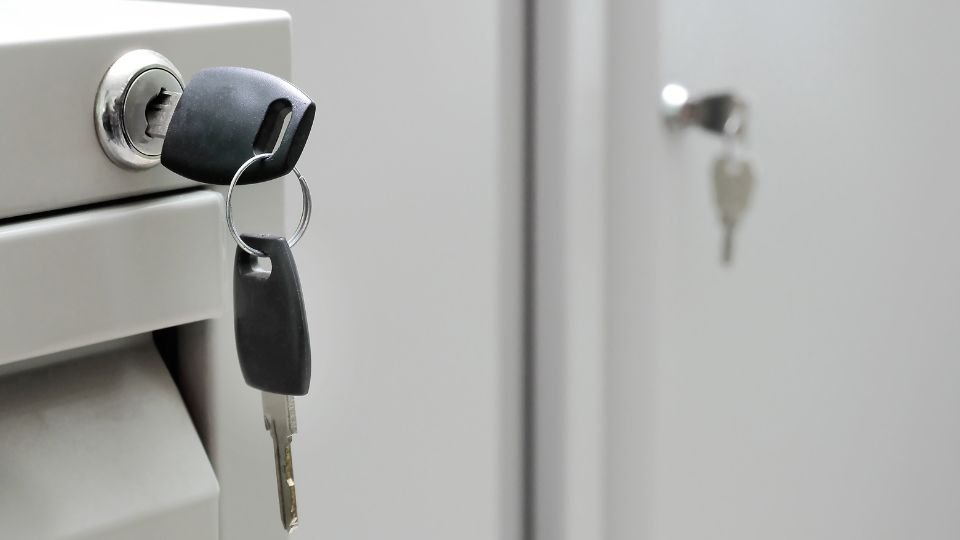
Maintaining the security of your workspace is essential, especially when it comes to confidential documents and personal belongings stored in office drawers. A malfunctioning lock can compromise privacy and leave valuable items vulnerable. This office drawer lock repair guide provides practical steps for diagnosing and fixing common lock issues, helping you restore security and peace of mind at your desk.
Whether you’re dealing with a jammed mechanism, a broken key, or a lock that simply won’t turn, understanding how these systems work is the first step toward a solution. For those interested in a deeper look at the mechanics, you might find the article on how locking file cabinets work helpful for background knowledge before tackling repairs.
Understanding Common Drawer Lock Problems
Desk and file cabinet locks are designed for daily use, but over time, wear and tear can lead to various issues. Recognizing the symptoms of a faulty lock is the first step in any office drawer lock repair guide. Here are some of the most frequent problems:
- Key Won’t Turn: Dirt, debris, or misalignment inside the lock can prevent the key from rotating.
- Lock Cylinder Spins: If the entire cylinder turns with the key, the retaining clip or nut may be loose or broken.
- Drawer Won’t Open: A jammed mechanism, broken latch, or misaligned locking bar can keep the drawer shut even when unlocked.
- Key Stuck or Broken: Excessive force or a worn key can result in the key snapping off inside the lock.
Identifying the specific issue will help you choose the right repair approach and avoid unnecessary damage to your furniture.
Essential Tools and Preparation
Before starting any repair, gather the necessary tools and prepare your workspace. Having the right equipment on hand can make the process smoother and reduce the risk of further damage. For most repairs, you’ll need:
- Flathead and Phillips screwdrivers
- Needle-nose pliers
- Lubricant (such as graphite powder or silicone spray)
- Replacement lock or parts (if needed)
- Flashlight for visibility
- Tweezers (for extracting broken keys)
Always work in a well-lit area and keep small parts organized to avoid losing screws or clips during the repair process.
Step-by-Step Solutions for Office Drawer Lock Issues
Follow these practical steps to address the most common problems found in desk and cabinet locks. If you’re new to this type of repair, you might also benefit from a file cabinet lock repair guide for beginners that covers simple fixes in detail.
1. Lubricating a Stiff or Jammed Lock
Often, a lock that’s difficult to turn simply needs cleaning and lubrication. Insert the key and gently wiggle it while applying a small amount of graphite powder or silicone spray into the keyway. Avoid using oil-based lubricants, as they can attract dust and gum up the mechanism. Work the key in and out several times to distribute the lubricant.
2. Tightening a Loose Lock Cylinder
If the entire lock turns when you insert the key, the retaining nut or clip inside the drawer may have come loose. To fix this:
- Open the drawer and locate the back of the lock.
- Use a screwdriver or pliers to tighten the retaining nut or reattach the clip.
- Test the lock to ensure it’s secure and the key turns only the cylinder, not the whole assembly.
3. Extracting a Broken Key
If a key breaks off inside the lock, use tweezers or needle-nose pliers to gently pull out the fragment. If it’s lodged deep, a broken key extractor tool can help. Avoid forcing the lock, as this can cause further damage. Once the broken piece is removed, test the lock with a spare key or consider replacing the lock if it’s damaged.
4. Replacing a Faulty Lock
When a lock is beyond repair, replacement is often the best option. Here’s a quick overview:
- Remove the old lock by unscrewing or unclipping it from the inside of the drawer.
- Insert the new lock, making sure it aligns with the locking bar or latch.
- Secure the new lock with the provided hardware and test its operation before closing the drawer.
For a comprehensive walkthrough, the file cabinet lock repair step by step resource offers detailed instructions and troubleshooting tips.

Advanced Troubleshooting and When to Call a Professional
Some lock problems go beyond basic fixes. For example, if the locking bar inside the cabinet is bent or the mechanism is jammed due to internal misalignment, more advanced techniques may be required. In such cases, consulting a resource like advanced file cabinet lock repair techniques can provide guidance for experienced DIYers.
However, if you encounter any of the following situations, it’s best to contact a professional locksmith:
- The lock is severely damaged or corroded
- Multiple drawers are affected by a central locking system failure
- You lack the proper tools or replacement parts
- Security is a top priority and you want to ensure the repair is done correctly
Professional locksmiths have specialized tools and experience to resolve complex issues without damaging your furniture or compromising security.
Preventive Maintenance for Office Drawer Locks
Regular maintenance can extend the life of your locks and prevent many common issues. Here are some tips for keeping your desk and cabinet locks in optimal condition:
- Lubricate locks every 6–12 months with a dry lubricant
- Keep keys clean and avoid using excessive force
- Inspect locks periodically for signs of wear or misalignment
- Replace worn keys to prevent breakage
- Ensure drawers are not overloaded, which can strain the locking mechanism
Staying proactive with maintenance reduces the likelihood of unexpected lockouts and costly repairs.
Helpful Resources and Further Reading
If you’re interested in learning more about the inner workings of cabinet locks, the article on file cabinet lock mechanism explanation offers a clear overview of how these systems function. For those seeking a DIY approach, the step-by-step guide to repairing a broken filing cabinet lock provides additional troubleshooting tips and repair strategies.
Frequently Asked Questions
What should I do if my office drawer lock is stuck and won’t open?
Start by gently wiggling the key while applying a dry lubricant to the keyway. If the lock remains stuck, check for visible obstructions or misalignment inside the drawer. Avoid using excessive force, as this can damage the lock. If the problem persists, consider removing the drawer to access the lock from behind or consult a locksmith for assistance.
Can I replace a desk drawer lock myself, or do I need a professional?
Many basic lock replacements can be handled with common tools and a little patience. If you’re comfortable following instructions and have access to the necessary parts, DIY replacement is often possible. However, for complex locking systems or if you’re unsure about the process, hiring a professional ensures the job is done correctly and securely.
How can I prevent my office drawer lock from breaking in the future?
Regular maintenance is key. Lubricate the lock periodically, avoid forcing the key, and replace worn keys promptly. Keep the locking mechanism clean and free from debris, and ensure the drawer is not overloaded. These steps will help extend the life of your lock and minimize the risk of future problems.