Understanding how file cabinet locks operate is essential for anyone responsible for securing sensitive documents or managing office storage. These mechanisms are designed to keep contents safe, prevent unauthorized access, and ensure smooth daily operation. In this guide, you’ll find a clear file cabinet lock mechanism explanation, including the main types, how they function, and practical tips for maintenance and troubleshooting. Whether you’re a business owner, facilities manager, or simply want to know more about your office furniture, this article will help you make informed decisions about file cabinet security.
For those interested in more advanced troubleshooting or repairs, you may also want to review advanced file cabinet lock repair techniques for professionals, which covers complex fixes and expert methods.
Key Components of File Cabinet Locking Systems
Most file cabinet locks are designed with simplicity and reliability in mind. The core components typically include:
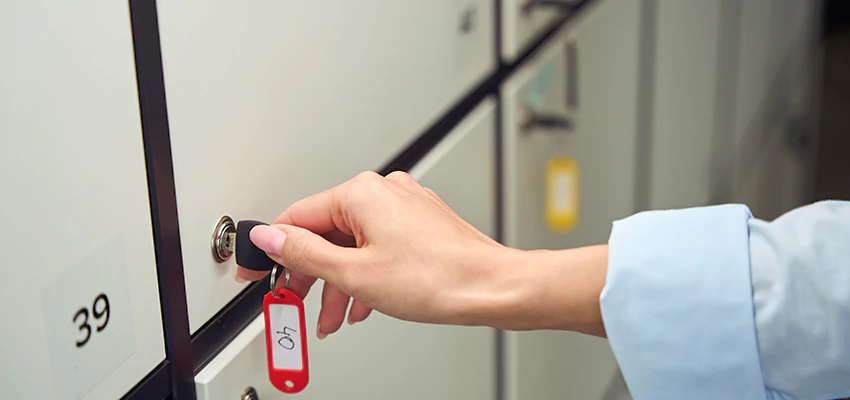
- Lock Cylinder: The part where the key is inserted. It contains pins or wafers that align when the correct key is used, allowing the lock to turn.
- Cam or Locking Bar: This is the mechanism that physically secures the drawers. When the cylinder turns, it moves the cam or bar into a locked or unlocked position.
- Strike Plate: The fixed metal plate where the cam or bar engages to keep the drawer closed.
- Drawer Linkage: In multi-drawer cabinets, a linkage system connects the lock to all drawers, so one lock can secure several compartments.
Each of these parts works together to provide a secure and user-friendly locking solution. The design may vary slightly between manufacturers, but the basic principles remain consistent.
Types of File Cabinet Lock Mechanisms
There are several variations in file cabinet locking systems, each with its own method of operation. Here are the most common types:
- Cam Locks: The most widespread type, featuring a simple rotating cam that latches behind the cabinet frame. They are easy to use and replace.
- Plunger Locks: These locks are engaged by pushing a button or plunger, often used for quick locking without a key. Unlocking requires a key.
- Central Locking Bars: Found in larger or high-security cabinets, these systems use a vertical bar that locks all drawers at once. The bar is operated by a single lock cylinder.
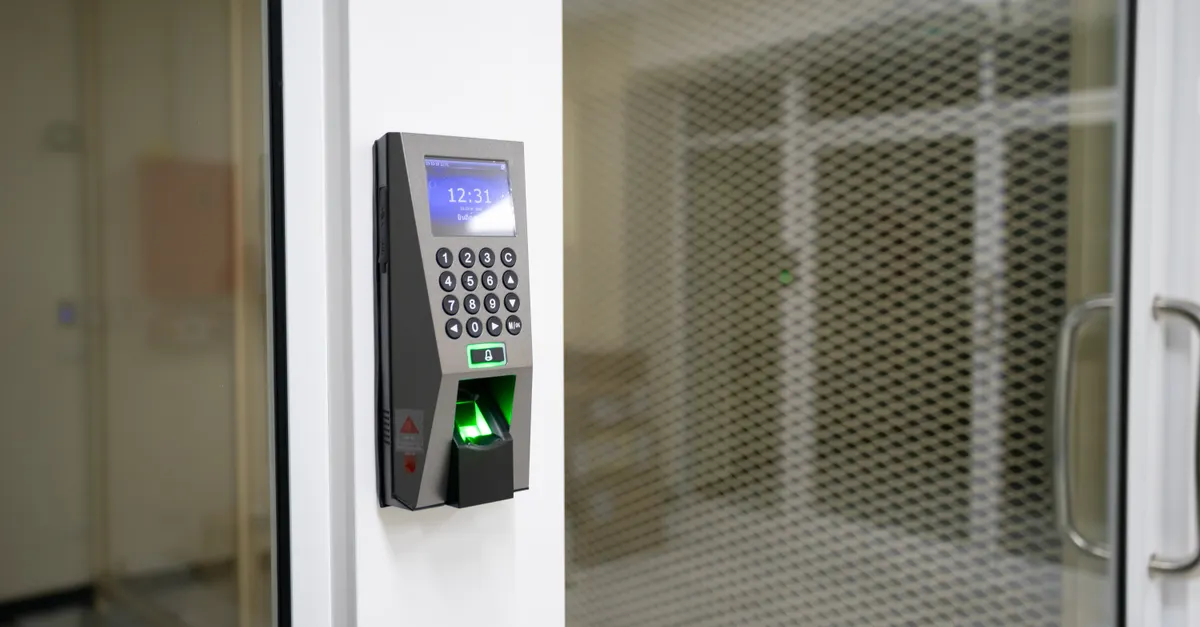
- Electronic Locks: Increasingly popular in modern offices, these use keypads or RFID cards instead of physical keys, offering enhanced access control and audit trails.
Choosing the right mechanism depends on your security needs, frequency of access, and budget. For DIY installation tips, see this detailed guide to installing a filing cabinet lock.

How File Cabinet Locks Operate: Step-by-Step
To understand the file cabinet lock mechanism explanation in detail, let’s break down the locking and unlocking process:
- Key Insertion: The user inserts the correct key into the lock cylinder. The key’s unique cuts align the pins or wafers inside the cylinder.
- Turning the Key: Once aligned, the cylinder can rotate. This movement turns the cam or actuates the locking bar.
- Securing the Drawers: The cam or bar moves into a position that blocks the drawers from opening. In multi-drawer systems, the linkage ensures all drawers are locked simultaneously.
- Unlocking: Reversing the process retracts the cam or bar, allowing drawers to open freely.
This straightforward process is designed for both security and convenience. However, wear and tear or improper use can cause issues over time. If you’re experiencing problems, a file cabinet lock repair step by step guide can help you troubleshoot and fix common faults.
Common Problems and Troubleshooting Tips
Even the most reliable file cabinet locks can develop issues. Here are some frequent problems and practical solutions:
- Key Won’t Turn: This may be due to dirt, worn keys, or misaligned pins. Try lubricating the lock with graphite powder and ensure you’re using the correct key.
- Drawer Stuck in Locked Position: Check for obstructions inside the cabinet or misaligned linkage. Gently wiggle the drawer while turning the key.
- Broken Key in Lock: Use needle-nose pliers to extract the broken piece. If unsuccessful, professional help may be required.
- Lock Cylinder Spins Freely: This usually means the retaining clip or cam has come loose. The lock may need to be removed and re-secured.
Regular maintenance, such as cleaning and lubricating the lock, can prevent many of these issues. For more safety advice, review these file cabinet lock safety tips to avoid injury and cabinet damage.

Best Practices for File Cabinet Lock Care
To keep your file cabinet locking system working smoothly and securely, follow these best practices:
- Use the Correct Key: Avoid forcing the lock or using makeshift tools, as this can damage the cylinder.
- Regular Cleaning: Dust and debris can accumulate inside the lock. Clean the keyhole periodically and use a non-oily lubricant like graphite powder.
- Inspect for Wear: Check the cam, linkage, and retaining clips for signs of wear or looseness. Tighten or replace as needed.
- Don’t Overload Drawers: Excess weight can strain the locking mechanism and linkage, leading to misalignment or breakage.
- Schedule Routine Maintenance: Set a reminder to inspect and maintain your locks every few months, especially in high-use environments.
For more tips on extending the life of your cabinet locks, see how to prevent file cabinet lock damage with proper use and care.
When to Call a Professional Locksmith
While many minor issues can be resolved with basic tools and know-how, some situations require expert help. Call a locksmith if:
- The lock is jammed and won’t respond to troubleshooting.
- You’ve lost all keys and need to regain access securely.
- The lock mechanism is damaged or parts are missing.
- You want to upgrade to a higher-security or electronic locking system.
Professional locksmiths have the tools and experience to repair, replace, or upgrade your file cabinet locks without damaging the cabinet or its contents. For urgent assistance, use the contact option provided above.
FAQ: File Cabinet Locking Systems
What should I do if my file cabinet key is lost or broken?
If you’ve lost your key or it has broken inside the lock, avoid forcing the lock open. Try to extract any broken pieces with pliers. If unsuccessful, contact a locksmith who can open the lock without damaging the cabinet and provide a replacement key or cylinder.
Can I replace a file cabinet lock myself?
Most basic cam locks can be replaced with minimal tools. Remove the old lock by unscrewing the retaining nut, insert the new lock, and secure it in place. For more complex systems or if you’re unsure, consult a professional or refer to a step-by-step repair guide.
How can I improve the security of my file cabinet?
Upgrade to a central locking bar or electronic lock for enhanced security. Always use unique keys and avoid leaving them in the lock. Regularly inspect for tampering or wear, and consider limiting access to trusted personnel only.