File cabinet locks are essential for securing sensitive documents and maintaining workplace organization. Over time, even the most robust locking mechanisms can develop faults, become misaligned, or suffer from wear and tear. For locksmiths and facilities professionals, mastering advanced file cabinet lock repair techniques is crucial to provide reliable service and extend the life of these security devices.
This guide explores specialized methods for diagnosing and repairing complex cabinet lock issues, from intricate mechanical failures to electronic lock malfunctions. Whether you’re troubleshooting a stubborn lock or upgrading to a more secure system, understanding these advanced strategies will help you deliver professional results and minimize downtime for your clients.
For a quick assessment of common lock problems, you can refer to the file cabinet lock troubleshooting checklist, which offers a structured approach to initial diagnosis before moving on to more complex repairs.
Identifying Complex Lock Failures
Before attempting any repair, it’s vital to accurately diagnose the underlying issue. Advanced lock failures often present as:
- Key turning but not unlocking the cabinet
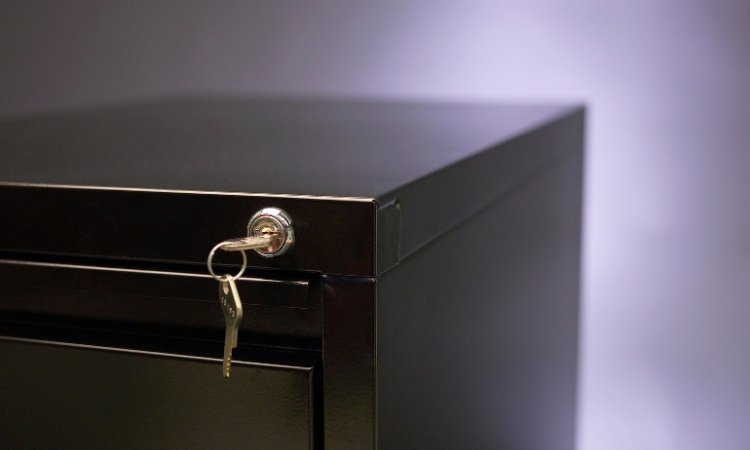
- Lock cylinder spinning freely or feeling loose
- Drawer jamming even when the lock is disengaged
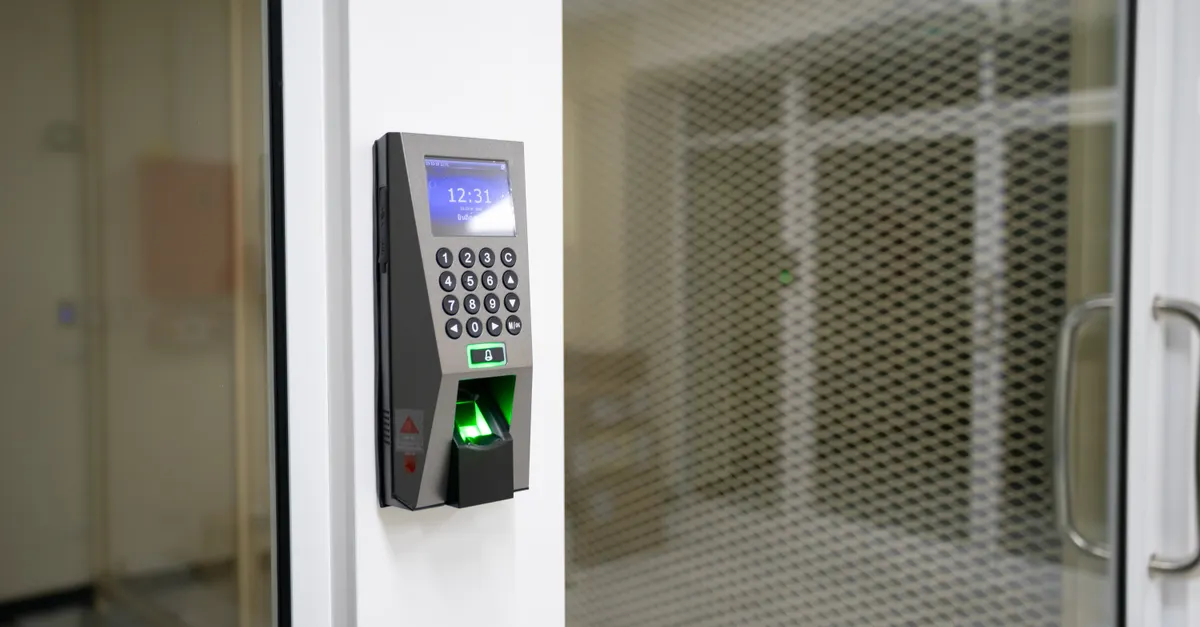
- Electronic lock not responding to input
Start by inspecting the lock for visible damage, debris, or signs of tampering. Use a flashlight and magnifying glass to check for worn pins, bent keys, or broken actuator bars. For electronic locks, verify battery status and check for loose wiring or corroded contacts.
Mechanical Lock Restoration Methods
Many traditional file cabinets use wafer tumbler or pin tumbler locks. When these mechanisms fail, advanced repair may involve:
Rekeying and Pin Replacement
Disassemble the lock cylinder using a follower tool. Inspect the pins or wafers for wear or deformation. Replace damaged components with manufacturer-specified parts, ensuring correct alignment and spring tension. Rekeying allows you to issue new keys without replacing the entire lock, which is especially useful for facilities with master key systems.
Actuator and Cam Adjustments
If the lock turns but fails to retract the locking bar, the actuator or cam may be misaligned. Remove the lock body and realign the cam with the locking bar. Lubricate moving parts with a graphite-based lubricant to reduce friction and prevent future sticking.
Addressing Drawer and Latch Issues
Sometimes, the problem lies not in the lock itself but in the cabinet’s internal linkage. Check for bent rods, disconnected levers, or obstructions inside the cabinet. Realign or replace damaged parts as needed to restore smooth operation.
Electronic and Smart Lock Repairs
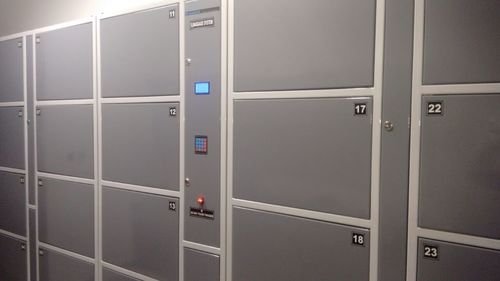
Modern file cabinets may feature electronic or smart locking systems. These require a different set of advanced repair skills:
- Battery and Power Troubleshooting: Replace batteries and check for proper voltage. Inspect battery terminals for corrosion and clean as necessary.
- Keypad and RFID Module Replacement: If the keypad or RFID reader is unresponsive, test with a multimeter. Replace faulty modules with compatible parts, following manufacturer instructions.
- Firmware and Reset Procedures: Some smart locks require a factory reset to resolve software glitches. Consult the lock’s manual for reset sequences and reprogramming steps.
For more on the risks and best practices associated with bypassing or picking these locks, see the DIY lock picking file cabinet safety article.
Specialized Tools for Professional Repairs
Professionals rely on a range of specialized tools to execute advanced repairs efficiently and safely:
- Pinning kits and follower tools for rekeying
- Plug spinners and pick guns for non-destructive entry
- Miniature endoscopes for internal inspection
- Precision screwdrivers and torque wrenches
- Multimeters for electronic lock diagnostics
Using the right tool for each job reduces the risk of damaging the cabinet or lock, ensuring a clean and effective repair.
Preventing Recurring Lock Issues
After a successful repair, it’s important to implement measures that prevent future problems. Regular maintenance, such as lubricating moving parts and checking for loose components, can significantly extend the life of a cabinet lock. For more tips on keeping locks in optimal condition, review the prevent file cabinet lock damage guide.
Additionally, educate clients on safe usage practices, such as avoiding excessive force and reporting any signs of malfunction early. This proactive approach helps minimize costly repairs and downtime.
When to Recommend Lock Replacement
While many advanced repairs can restore a lock to full functionality, there are situations where replacement is the best option. Consider recommending a new lock if:
- The lock body is cracked or severely corroded
- Keyways are excessively worn, making rekeying ineffective
- Electronic components have suffered water damage
- The client requires an upgrade to a higher-security system
Upgrading to modern locking solutions can offer enhanced security and convenience, especially for high-traffic or sensitive environments.
Safety Considerations for Advanced Repairs
Working with complex locking mechanisms requires attention to safety. Always disconnect electronic locks from power sources before servicing. Wear eye protection when drilling or manipulating metal parts. For more detailed safety protocols, consult the file cabinet lock safety tips resource.
When in doubt, avoid forcing components or using makeshift tools, as this can cause irreparable damage to the cabinet or compromise its security.
Expert Techniques for Non-Destructive Entry
In cases where a lockout occurs and destructive methods are not an option, professionals may turn to advanced bypass techniques. These include:
- Manipulating the lock with specialized picks or tension tools
- Using a plug spinner to rotate the cylinder after picking
- Employing shims to retract the locking bar without damaging the lock
For a detailed look at bypass strategies, including legal and ethical considerations, review this comprehensive guide to non-destructive entry methods.
Addressing Age-Related Wear and Tear
Older file cabinets often present unique challenges due to accumulated wear. Rust, metal fatigue, and outdated mechanisms require a careful approach. For step-by-step instructions on handling these issues, see the file cabinet lock wear and tear repair article.
Restoring vintage locks may involve sourcing rare parts or fabricating custom components, so it’s important to assess the feasibility of repair versus replacement on a case-by-case basis.
FAQ: Advanced File Cabinet Lock Repair
What are the most common causes of advanced file cabinet lock failures?
Frequent issues include worn or broken pins, misaligned actuators, internal linkage problems, and electronic malfunctions. Environmental factors such as dust, moisture, and heavy use can accelerate wear and lead to complex failures.
Can electronic file cabinet locks be repaired, or should they always be replaced?
Many electronic locks can be repaired by replacing batteries, fixing wiring, or swapping out faulty modules. However, if the main circuit board is damaged or the lock is obsolete, replacement may be more cost-effective and secure.
Is it safe to attempt advanced repairs without professional training?
Advanced repairs require specialized tools and knowledge. Attempting complex fixes without proper training can damage the lock or cabinet and may compromise security. It’s best to consult a qualified locksmith for intricate repairs.