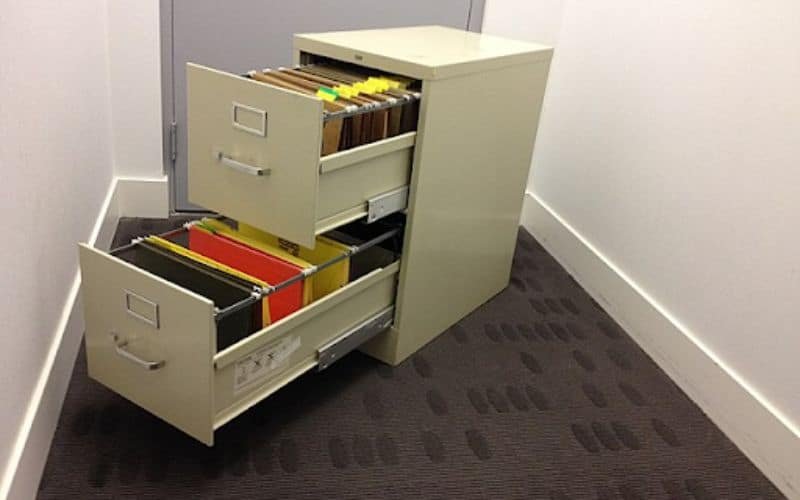
File cabinets are a staple in offices and homes for organizing sensitive documents, contracts, and personal records. As people seek quick solutions for lost keys or jammed locks, interest in DIY lock picking file cabinet safety has grown. While the appeal of handling lockouts yourself is understandable, there are significant risks and responsibilities that come with attempting to pick or bypass a file cabinet lock on your own. This article explores the potential dangers, outlines effective safety measures, and offers guidance for those considering do-it-yourself approaches.
Understanding the balance between accessibility and security is crucial. Improper techniques can damage your cabinet, compromise the lock, or even void warranties. For anyone considering a hands-on approach, it’s important to weigh the pros and cons, and to be aware of safer alternatives. If you’re troubleshooting a stubborn lock, you may also find value in resources like the file cabinet lock troubleshooting checklist, which provides step-by-step diagnosis tools for common issues.
Understanding the Risks of DIY Lock Picking
Attempting to pick a file cabinet lock without proper knowledge can lead to unintended consequences. The most common risks include:
- Permanent Lock Damage: Using makeshift tools or improper techniques can deform pins, break tumblers, or jam the locking mechanism, making professional repair more difficult and costly.
- Security Vulnerabilities: Once a lock has been compromised, it may no longer provide adequate protection for your documents. Even if you regain access, the lock’s integrity could be weakened, leaving your files exposed to unauthorized entry.
- Legal and Ethical Concerns: Picking locks you do not own or have explicit permission to open is illegal in many jurisdictions. Always ensure you have the right to access the cabinet before attempting any bypass method.
- Personal Injury: Sharp tools and forceful maneuvers can result in cuts, punctures, or other injuries, especially if you’re unfamiliar with the process.
For those dealing with older or vintage cabinets, the risk of damaging irreplaceable hardware is even greater. If preservation is a priority, consider consulting a specialist or referencing guides like vintage file cabinet lock fix for expert advice on handling classic mechanisms.
Best Practices for Safe DIY File Cabinet Lock Access
While DIY methods are not without risk, there are ways to minimize potential harm and improve your chances of success. Here are some best practices for those considering self-service lock access:
- Research Your Cabinet Type: Not all file cabinet locks are created equal. Identify the make and model of your cabinet and research the specific locking mechanism before attempting any intervention. Some locks are designed to be more tamper-resistant than others.
- Use Proper Tools: Avoid using household items like paperclips or screwdrivers, which can cause more harm than good. If you decide to proceed, invest in a basic lock picking set designed for pin tumbler or wafer locks, which are common in file cabinets.
- Follow Step-by-Step Guides: Seek out reputable tutorials or instructional videos from locksmith professionals. Resources such as the DIY guide to repairing a broken filing cabinet lock provide clear, safe instructions to help you avoid common pitfalls.
- Work Slowly and Gently: Patience is key. Forcing the lock or applying excessive pressure increases the risk of breakage. If you encounter resistance, stop and reassess rather than pushing forward.
- Know When to Call a Professional: If your initial attempts fail or you’re concerned about damaging the lock, it’s best to consult a licensed locksmith. Many offer emergency services and can resolve the issue without harming your cabinet.
Common DIY Lock Picking Techniques and Their Limitations
People often attempt to open file cabinet locks using a few popular methods. Understanding the limitations of these approaches can help you make safer decisions:
- Paperclip or Bobby Pin Method: This classic trick is often ineffective on modern file cabinets and can easily bend or break inside the lock, causing obstructions.
- Lock Picking Sets: While more precise, these require practice and a steady hand. Inexperienced users may still damage delicate components or fail to open the lock.
- Drilling: Drilling out a lock is a last resort and should only be performed by professionals. This method destroys the lock and may damage the cabinet’s finish or structure.
- Bypassing with Shims: Some locks can be bypassed with thin shims, but this is rarely effective on newer or high-security models and can leave the cabinet vulnerable to future tampering.
For persistent issues like sticking or worn-out mechanisms, it’s often more effective to focus on maintenance and repair. Consider reviewing advice on file cabinet lock wear and tear repair to address underlying problems without resorting to risky bypass techniques.
Enhancing File Cabinet Security After DIY Attempts
After regaining access, it’s important to restore the security of your file cabinet. Here are steps to ensure ongoing protection:
- Replace or Re-key the Lock: If you’ve picked or drilled the lock, consider installing a new one or having it re-keyed to maintain security standards.
- Upgrade to High-Security Locks: Modern locks offer better resistance to picking and forced entry. Upgrading can deter future unauthorized access.
- Regular Maintenance: Lubricate the lock mechanism and inspect for wear to prevent future lockouts. For detailed care tips, see prevent file cabinet lock damage.
- Keep Spare Keys Secure: Store backup keys in a safe, accessible location to avoid repeat lockouts.
When to Seek Professional Help
There are situations where calling a locksmith is the safest and most cost-effective option. If you encounter any of the following, professional assistance is strongly recommended:
- The lock is jammed or broken beyond simple repair.
- You’ve attempted DIY methods without success.
- The cabinet contains sensitive or irreplaceable documents.
- You’re dealing with a high-security or vintage locking mechanism.
Locksmiths have the tools and expertise to open cabinets without causing unnecessary damage. They can also advise on upgrading or restoring locks to ensure continued protection for your files. For those interested in preserving classic hardware, resources like file cabinet lock restoration tips offer insights into maintaining both security and historical value.
FAQ
Is it legal to pick my own file cabinet lock?
In most regions, it is legal to pick a lock on property you own or have explicit permission to access. However, attempting to pick locks on cabinets you do not own is illegal and can result in criminal charges. Always verify your rights before proceeding.
Can DIY lock picking permanently damage my file cabinet?
Yes, improper techniques or using the wrong tools can cause lasting damage to the lock or the cabinet itself. This may require expensive repairs or full lock replacement. Whenever possible, use proper tools and follow trusted guides, or consult a professional if unsure.
What should I do if I can’t open my file cabinet after several attempts?
If repeated DIY attempts fail, stop to avoid further damage. Contact a licensed locksmith, who can open the cabinet safely and recommend solutions for future security. Many locksmiths offer emergency services and can often resolve issues quickly and efficiently.