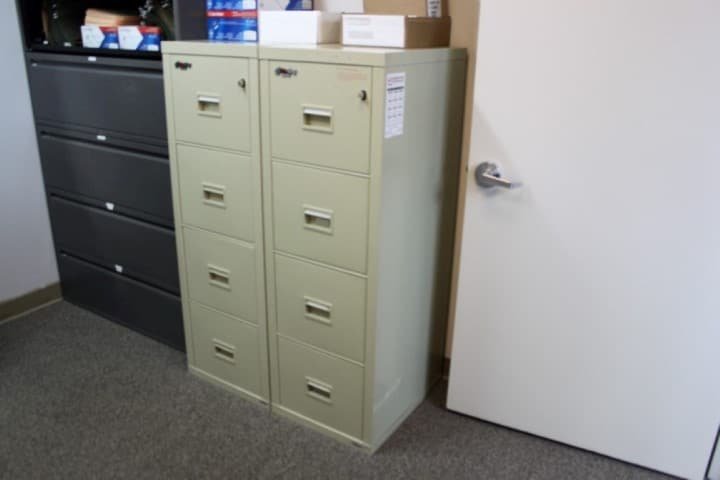
Classic file cabinets are not just functional—they’re often a piece of history in offices, workshops, and homes. Over time, their locks can become worn, sticky, or even inoperable, threatening both security and the charm of vintage hardware. With the right approach, you can restore these mechanisms, extend their lifespan, and keep your storage both secure and true to its original character. This guide offers practical file cabinet lock restoration tips for anyone looking to preserve and rejuvenate classic locking systems.
Whether you’re tackling a family heirloom or a mid-century steel cabinet, understanding the right methods and tools is essential. Before diving into the step-by-step process, consider reviewing a file cabinet lock repair kit guide to ensure you have all the necessary maintenance items on hand. Early preparation can make restoration smoother and help avoid common pitfalls.
Why Restore Vintage File Cabinet Locks?
Restoring old file cabinet locks is about more than just function. Many classic cabinets feature hardware that’s no longer manufactured, making replacement difficult or expensive. Restoration preserves the original look and feel, maintains the value of vintage furniture, and ensures continued security for your documents.
- Preservation of Original Hardware: Keeping the authentic lock maintains the cabinet’s historical integrity.
- Cost-Effective: Repairing and restoring is often less expensive than sourcing rare replacement parts.
- Enhanced Security: A well-restored lock is more reliable than a worn or makeshift alternative.
For those interested in more advanced upgrades, you might explore file cabinet lock upgrade options to balance classic style with modern security.
Essential Tools and Supplies for Lock Restoration
Before starting any restoration, gather the following tools and materials. Having these ready will streamline the process and help you avoid damaging delicate components.
- Precision screwdrivers (flat and Phillips head)
- Needle-nose pliers
- Graphite or silicone-based lubricant
- Soft-bristled brush or toothbrush
- Microfiber cloths
- Replacement pins or springs (if needed)
- Non-abrasive cleaning solution
Some locks may require specialty tools, especially if they use unique mechanisms. Refer to your cabinet’s manufacturer or a detailed guide on file cabinet lock replacement for model-specific advice.
Step-by-Step File Cabinet Lock Restoration Tips
Follow these steps to restore most standard and vintage file cabinet locks. Always work gently to avoid damaging irreplaceable components.
-
Remove the Lock Cylinder:
Open the cabinet and locate the retaining clip or screw holding the lock in place. Use a screwdriver or pliers to carefully remove the cylinder. Keep all small parts in a tray to prevent loss.
-
Clean the Lock Mechanism:
Brush away dust and debris using a soft-bristled brush. For stubborn grime, apply a non-abrasive cleaning solution to a microfiber cloth and gently wipe all surfaces. Avoid soaking the lock, as moisture can cause rust.
-
Lubricate Moving Parts:
Apply a small amount of graphite or silicone-based lubricant to the keyway and moving parts. Avoid oil-based lubricants, which can attract dust and gum up the mechanism over time.
-
Inspect for Wear or Damage:
Check for bent pins, worn springs, or broken tumblers. Replace any damaged internal parts with compatible replacements. If the lock is severely corroded or parts are missing, consider consulting a professional or reviewing the best way to fix old file cabinet lock for advanced restoration methods.
-
Reassemble and Test:
Carefully reinsert the lock cylinder and secure it with the retaining clip or screw. Test the lock with its original key, ensuring smooth operation and reliable locking.

Common Issues and How to Address Them
During restoration, you may encounter several typical problems. Here’s how to handle them effectively:
- Key Won’t Turn: This is often due to dirt or dried lubricant. Clean and lubricate the cylinder as described above. If the problem persists, inspect for bent pins or a misaligned cam.
- Lock Feels Loose: Tighten the retaining clip or screw. If the lock housing is worn, consider adding a thin washer for a snug fit.
- Corrosion or Rust: Gently remove surface rust with a soft brush and apply a rust-inhibiting lubricant. Severely corroded locks may need replacement or professional restoration.
- Missing Keys: If the original key is lost, a locksmith can often create a new one from the lock code or impression. For high-security cabinets, review tamper proof file cabinet lock repair options.
Maintaining Restored File Cabinet Locks
Once your lock is functioning smoothly, regular maintenance will keep it in top condition. Here are some ongoing care tips:
- Lubricate the lock every 6–12 months with graphite or silicone spray.
- Keep the keyway free of dust and debris.
- Check for loose fittings and tighten as needed.
- Avoid forcing the key if resistance is felt—investigate and address the cause.
For vintage cabinets, periodic inspection is especially important. Early intervention can prevent minor issues from becoming major repairs.

When to Seek Professional Help
While many restoration tasks are manageable for DIY enthusiasts, some situations call for expert assistance. If you encounter a lock that’s severely damaged, missing critical parts, or part of a high-security system, a professional locksmith can ensure the job is done right. They can also help with key replacement, rekeying, and advanced repairs that go beyond standard maintenance.
For those interested in bringing vintage hardware back to life, you can also learn how to restore old file cabinet lock with specialized techniques and advice tailored to antique models.
FAQ: Classic File Cabinet Lock Restoration
How do I know if my file cabinet lock is worth restoring?
If your cabinet is vintage, has unique hardware, or holds sentimental value, restoration is often worthwhile. If the lock is severely rusted or missing key components, weigh the cost and effort against replacement options.
What lubricant should I use for old file cabinet locks?
Use a graphite or silicone-based lubricant. Avoid oil-based products, as they can attract dust and cause the mechanism to gum up over time.
Can I restore a lock if I’ve lost the original key?
Yes, a locksmith can often create a new key using the lock code or by impressioning the lock. For rare or antique locks, consult a specialist to avoid damaging the mechanism during the process.
How often should I maintain a restored file cabinet lock?
Inspect and lubricate the lock every 6–12 months. Regular maintenance helps prevent sticking, corrosion, and premature wear.
Is it possible to upgrade the security of an old file cabinet lock?
Yes, many classic cabinets can be retrofitted with modern locking mechanisms. For guidance, explore upgrade options for file cabinet locks that balance security with vintage style.
With the right approach and ongoing care, classic file cabinet locks can provide secure, reliable service for decades to come. Whether you’re a collector, a DIY enthusiast, or simply want to keep your office organized and safe, these restoration strategies will help you preserve both the function and the history of your storage solutions.