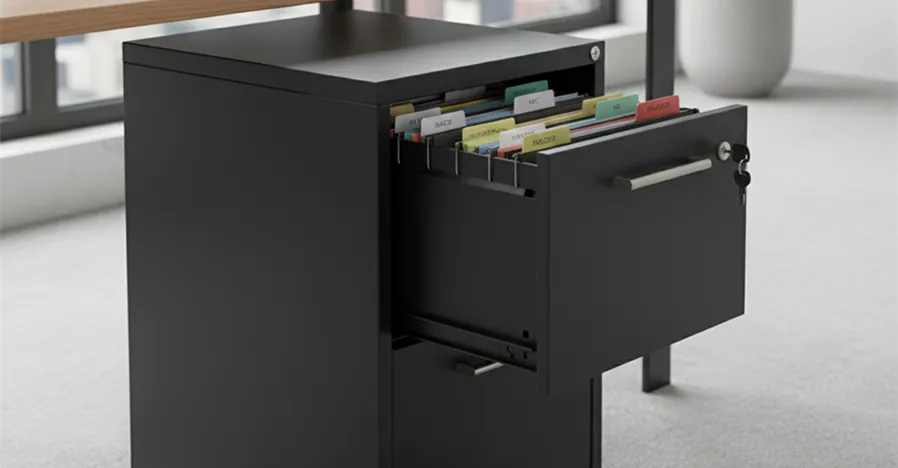
Vintage file cabinets are more than just storage—they’re a piece of history and craftsmanship. Over time, however, their locks can become rusty, jammed, or non-functional. If you want to restore old file cabinet lock mechanisms and bring back both their security and charm, you’ll need a careful approach. Whether you’re a DIY enthusiast or simply want to preserve a family heirloom, this guide covers the essential steps, tools, and tips for reviving classic locking hardware.
Before diving into the process, it’s important to understand the type of lock you’re dealing with and assess its condition. Some vintage cabinets use wafer tumbler locks, while others feature pin tumbler or cam locks. Identifying the mechanism will help you choose the right restoration method and avoid unnecessary damage.
If you’re interested in more advanced repairs, such as fixing anti-tamper features, check out the file cabinet anti tamper lock fix resource for detailed guidance.
Understanding Vintage File Cabinet Lock Mechanisms
Restoring a classic lock starts with knowing its construction. Most old file cabinets use one of the following:
- Wafer tumbler locks: Common in mid-century and office cabinets, these are relatively simple but prone to wear.
- Pin tumbler locks: Found in higher-end or more secure models, they offer better resistance but can seize up with age.
- Cam locks: Often used for drawers, these operate with a rotating cam and are straightforward to remove and clean.
Take a close look at the lock face and keyway. If you have the original key, gently test the mechanism. If it’s stuck, don’t force it—this can break fragile components.
Essential Tools and Supplies for Restoring Old Locks
Gathering the right tools will make the process smoother and help prevent accidental damage. Here’s what you’ll typically need to restore old file cabinet lock hardware:
- Precision screwdrivers (flat and Phillips)
- Needle-nose pliers
- Graphite or silicone-based lubricant (avoid oil-based products)
- Fine steel wool or a brass brush
- Rubbing alcohol or a mild degreaser
- Soft cloths and cotton swabs
- Replacement parts (if needed—springs, wafers, or pins)
Always work in a well-lit area and keep small parts organized to avoid losing them during disassembly.
Step-by-Step Guide to Repairing and Cleaning Vintage Locks
1. Remove the Lock from the Cabinet
Start by opening the cabinet (if possible) and locating the screws or retaining clips that hold the lock in place. Carefully unscrew or unclip the lock, taking care not to scratch the cabinet’s finish. If the lock is stuck, apply a small amount of lubricant around the edges and gently wiggle it free with pliers.
2. Disassemble the Lock Mechanism
Lay the lock on a soft cloth. Use your precision screwdriver to remove any retaining screws. Slowly pull apart the lock body, noting the order and orientation of internal parts. Photograph each stage if you’re unfamiliar with lock mechanisms—this will help during reassembly.
3. Clean and Inspect Components
Dip a cotton swab in rubbing alcohol and clean all internal surfaces, including wafers, pins, and springs. For stubborn corrosion, gently scrub with fine steel wool or a brass brush. Avoid using water, as it can cause further rust. Inspect for broken or excessively worn parts. If you find damage, you may need to source replacements or consider professional help.
4. Lubricate and Reassemble
Once clean, apply a small amount of graphite or silicone lubricant to the moving parts. Avoid over-lubricating, as excess can attract dust. Carefully reassemble the lock, ensuring all components are in their original positions. Test the mechanism with the key before reinstalling it in the cabinet.
5. Reinstall and Test
Secure the lock back into the cabinet, tightening screws or clips as needed. Insert the key and turn it several times to confirm smooth operation. If the lock still feels stiff or unreliable, repeat the cleaning process or consult a locksmith for further troubleshooting.
When to Replace Instead of Restore
While many vintage locks can be brought back to life, some may be too damaged or missing critical parts. In these cases, replacing the lock with a reproduction or modern equivalent is the best option. For step-by-step instructions, see this guide to replacing file cabinet locks for practical advice.
If you’re dealing with a home office setup, you might also find the home office file cabinet lock repair article helpful for tips specific to residential storage solutions.
Tips for Maintaining Restored Locks
Once you’ve successfully revived your cabinet’s locking mechanism, regular maintenance will keep it working for years to come:
- Lubricate the lock every 6–12 months with a dry lubricant.
- Keep the keyway free from dust and debris.
- Avoid using excessive force when turning the key.
- Check for loose screws or hardware periodically.
For added security, especially in shared or office environments, consider reading about how to secure file cabinet lock better for practical hardening tips.
Common Challenges in Restoring Old File Cabinet Locks
Some issues can complicate the restoration process. Here’s how to address a few frequent obstacles:
- Lost keys: If you don’t have the original key, a locksmith can often make a replacement by impressioning or decoding the lock.
- Severe rust: Soak removable metal parts in a rust remover, but avoid harsh chemicals on brass or decorative finishes.
- Broken springs or wafers: Replacement parts may be available from specialty suppliers or salvage cabinets.
- Misaligned lock body: Ensure all components are seated correctly during reassembly to prevent jamming.
If you encounter a complex or integrated locking system, the file cabinet security system repair resource offers guidance for more advanced repairs.
FAQ: Vintage File Cabinet Lock Restoration
Can I restore a file cabinet lock if I don’t have the key?
Yes, but it’s more challenging. You can remove the lock and take it to a locksmith, who may be able to create a new key using impressioning or decoding techniques. In some cases, the lock can be picked open for cleaning and repair.
What lubricant is best for old file cabinet locks?
Use a graphite or silicone-based lubricant. Avoid oil-based products, as they can gum up over time and attract dust, leading to future sticking or jamming.
How do I know if a lock is too damaged to restore?
If the lock body is cracked, missing critical internal parts, or heavily corroded to the point of metal loss, replacement is usually the safest and most reliable option. Minor rust or dirt can typically be cleaned, but structural damage often means restoration isn’t practical.
Are replacement parts available for vintage file cabinet locks?
Some replacement parts, such as wafers, springs, or cams, can be sourced from specialty hardware suppliers or by salvaging similar locks from other cabinets. For rare or unique models, a locksmith may be able to fabricate custom parts.