Securing sensitive documents is a priority in any office or home environment. When the locking mechanism on a file cabinet is compromised or begins to fail, it can put confidential information at risk. Addressing issues with anti-tamper locks is essential for maintaining both security and peace of mind. This guide provides practical steps for diagnosing and repairing common problems with file cabinet locks designed to resist tampering, ensuring your storage remains protected.
Whether you’re dealing with a jammed lock, a loose cylinder, or a mechanism that no longer responds to your key, understanding how to perform a file cabinet anti tamper lock fix can save time and prevent unauthorized access. For those seeking more advanced strategies, you might also find value in learning how to secure file cabinet lock better for long-term protection.
Understanding Anti-Tamper Locks on File Cabinets
Anti-tamper locks are designed to resist forced entry and manipulation. These mechanisms often include features like shielded keyways, reinforced lock bodies, and internal components that make picking or drilling more difficult. Over time, however, even the best security features can wear down or become misaligned, leading to operational issues.
Common signs that your cabinet’s security features are failing include:
- Difficulty turning the key or inserting it fully
- Lock cylinder spinning freely without engaging
- Cabinet drawers opening even when locked
- Visible damage or signs of tampering around the lock
Addressing these problems quickly is crucial to prevent unauthorized access and further damage to the locking system.
Diagnosing Problems with Security Mechanisms
Before attempting any repairs, it’s important to identify the specific issue affecting your cabinet’s lock. Start by visually inspecting the lock and surrounding area for signs of forced entry or wear. If the key won’t turn, try a different copy to rule out a worn key. If the cylinder is loose or spins without resistance, the retaining clip or cam may be broken or disconnected.
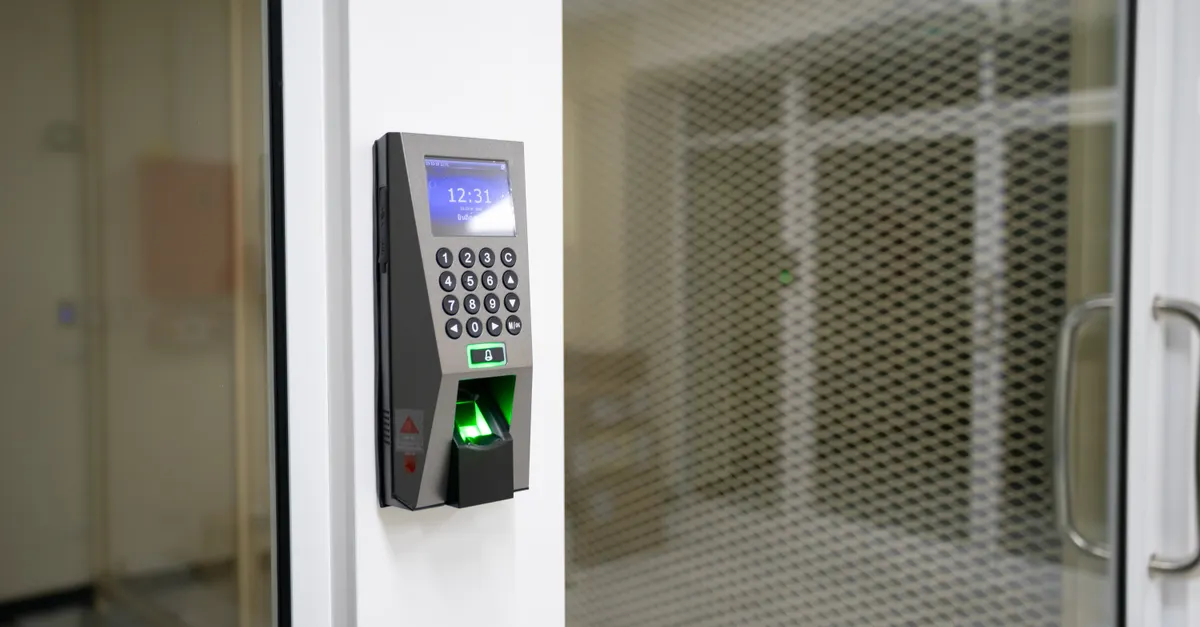
For cabinets with integrated or electronic locking systems, check for power issues or software malfunctions. If you suspect a more complex problem, such as a compromised security system, consider reading about file cabinet security system repair for guidance on integrated solutions.

Step-by-Step Guide to Fixing File Cabinet Anti-Tamper Locks
Once you’ve identified the problem, follow these steps to repair your cabinet’s security features:
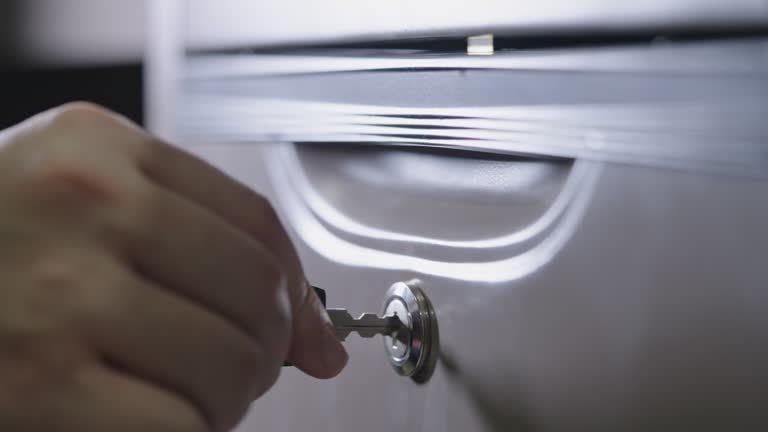
- Remove the Lock Cylinder: Open the cabinet (if possible) and locate the retaining clip or nut on the inside. Use pliers or a screwdriver to remove it, then slide the cylinder out from the front.
- Inspect for Damage: Examine the cylinder, cam, and housing for signs of wear, bending, or breakage. Look for any debris or foreign objects that could be obstructing the mechanism.
- Clean and Lubricate: Use a can of compressed air to blow out dust and debris. Apply a graphite-based lubricant to the keyway and moving parts. Avoid oil-based lubricants, as they can attract dirt.
- Replace Broken Parts: If the cam, retaining clip, or cylinder is damaged, purchase a compatible replacement from a hardware store or locksmith. Install the new parts, ensuring everything fits snugly.
- Reinstall and Test: Slide the cylinder back into place, secure it with the retaining clip or nut, and test the lock with your key. Ensure the anti-tamper features engage properly and the cabinet remains secure when locked.
For more complex repairs, such as electronic or smart locks, it’s best to consult a professional or review resources like smart file cabinet lock repair for troubleshooting tips.
When to Call a Professional Locksmith
Some file cabinet lock issues require specialized tools or expertise, especially if the lock is severely damaged or if you’re unable to open the cabinet at all. In these cases, contacting a qualified locksmith is the safest option. Professionals can extract broken keys, rekey or replace cylinders, and restore advanced anti-tamper features without damaging your cabinet.
If you’re locked out and need immediate assistance, or if you’re unsure about the repair process, don’t hesitate to reach out to a locksmith service. For those interested in learning more about emergency solutions, you can find advice on how to open a locked file cabinet without causing damage.

Preventing Future Tampering and Lock Failures
Once your cabinet’s lock is repaired, take steps to prevent future issues:
- Periodically inspect and lubricate the lock mechanism
- Use only original or high-quality duplicate keys
- Upgrade to locks with enhanced anti-tamper features if your cabinet stores sensitive information
- Consider adding secondary security measures, such as locking bars or alarmed cabinets
For ongoing maintenance and advanced upgrades, resources like desk file cabinet lock repair and battery powered file cabinet lock fix offer further guidance.
Frequently Asked Questions
What should I do if my file cabinet lock is jammed and won’t turn?
First, try using a different key to rule out a worn or bent key. If the lock remains jammed, apply a graphite-based lubricant to the keyway and gently wiggle the key. If the cylinder still won’t turn, the internal mechanism may be damaged or obstructed. In this case, removing the lock for inspection or contacting a locksmith is recommended.
Can I upgrade my file cabinet with a more secure anti-tamper lock?
Yes, many file cabinets can be retrofitted with higher-security locks. Look for models with shielded keyways, reinforced housings, and drill-resistant features. Consult your cabinet’s manufacturer or a locksmith to ensure compatibility with your existing cabinet.
How often should I maintain my file cabinet lock to prevent tampering?
It’s a good idea to inspect and lubricate your lock every 6–12 months, depending on usage. Regular maintenance helps prevent wear, keeps the mechanism operating smoothly, and allows you to spot early signs of tampering or damage.
Conclusion
Addressing issues with file cabinet security features is essential for protecting sensitive documents and maintaining peace of mind. By following the steps outlined above, you can diagnose and repair most common problems with anti-tamper locks. For complex issues or if you’re unable to resolve the problem yourself, don’t hesitate to contact a professional locksmith for expert assistance. Regular maintenance and timely upgrades will help ensure your storage remains secure for years to come.