Maintaining secure storage for sensitive paperwork is essential in any home workspace. When a file cabinet lock stops working, it can put your privacy and organization at risk. Understanding the basics of home office file cabinet lock repair helps you restore security and avoid costly replacements. This guide covers practical steps for diagnosing lock issues, choosing the right repair method, and knowing when to call a professional.
Whether you use a traditional key lock, a keypad, or a smart locking mechanism, keeping your cabinet secure is critical for both peace of mind and compliance with privacy standards. We’ll explore the most common problems, troubleshooting tips, and preventative measures to ensure your documents remain protected.
If you’re interested in additional ways to strengthen your cabinet’s security, check out these tips on how to secure file cabinet lock better for practical hardening strategies.
Common Problems With File Cabinet Locks in Home Offices
File cabinet locks are designed for years of use, but daily wear and environmental factors can lead to malfunctions. Here are some of the most frequent issues that prompt home office file cabinet lock repair:
- Key won’t turn or is stuck: This can result from dirt, rust, or a bent key.
- Lock cylinder spins freely: Indicates a broken or disconnected cam or retaining clip.
- Drawers won’t unlock: The locking bar or mechanism may be jammed or misaligned.
- Lost or broken keys: Without a spare, you’ll need to address the lock directly.
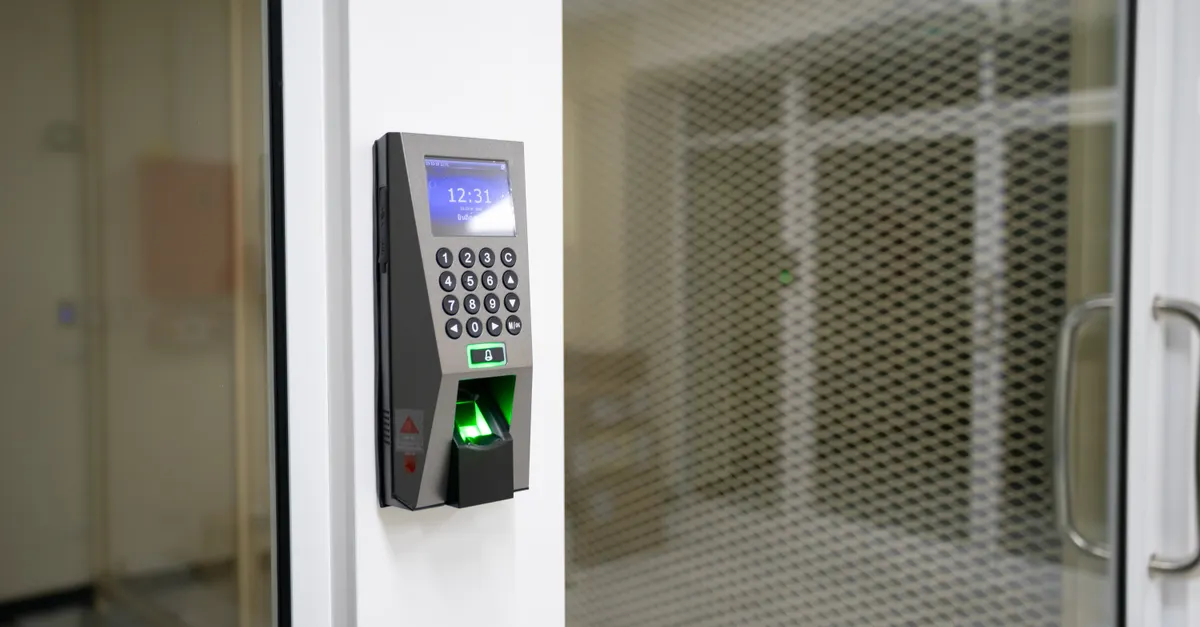
- Electronic/keypad lock unresponsive: Could be due to dead batteries, wiring issues, or worn-out buttons.
Identifying the specific problem is the first step toward a successful repair. Sometimes, a simple fix like lubrication or key replacement is all that’s needed. Other times, more extensive work or a full lock replacement may be required.
Step-by-Step Guide to Diagnosing and Fixing Lock Issues
Before diving into repairs, gather basic tools: a screwdriver, lubricant spray, replacement keys (if available), and a flashlight. Here’s how to approach the most common lock problems:
-
Check the Key and Cylinder
- Inspect the key for bends or cracks. Try a spare if you have one.
- If the key is stuck, gently wiggle it while applying graphite or silicone-based lubricant to the keyway.
-
Assess the Lock Mechanism
- Open the cabinet (if possible) and examine the lock from inside. Look for loose screws or disconnected parts.
- If the cylinder spins, the retaining clip or cam may have come loose. Tighten or replace as needed.
-
Address Jammed Drawers
- Remove any obstructions inside the cabinet.
- Check if the locking bar is bent or misaligned and gently adjust it back into place.
-
For Electronic or Keypad Locks
- Replace the batteries and ensure contacts are clean.
- If buttons are unresponsive, consult the manufacturer’s manual or seek specialized repair. For more details, see this guide on keypad file cabinet lock repair.
Always test the lock several times after any repair to ensure smooth operation. If the issue persists, consider replacing the lock or seeking professional help.

When to Replace vs. Repair Your Cabinet Lock
Deciding between fixing and replacing your file cabinet lock depends on the severity of the problem and the type of lock involved. Here are some guidelines:
- Repair: Minor issues like sticky keys, loose screws, or jammed mechanisms can often be fixed with basic tools and patience.
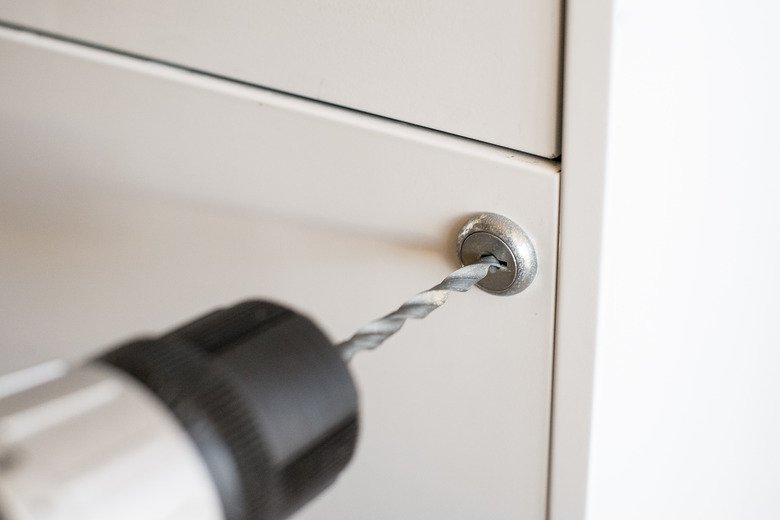
- Replace: If the lock is severely damaged, rusted, or you’ve lost all keys, replacement is usually the best option. Modern locks offer improved security and convenience, especially for sensitive documents.
For a detailed walkthrough on swapping out a damaged lock, refer to this step-by-step file cabinet lock replacement guide for visuals and expert advice.
If your cabinet uses a smart or battery-powered lock, troubleshooting can be more complex. For help with these advanced systems, see our resource on smart file cabinet lock repair or learn about battery powered file cabinet lock fixes.
Preventative Maintenance for Long-Term Security
Regular maintenance can extend the life of your file cabinet lock and reduce the need for frequent repairs. Here are some best practices:
- Lubricate the lock cylinder every six months with a non-oil-based lubricant.
- Keep keys clean and avoid using excessive force when turning the lock.
- Inspect the locking mechanism for loose screws or worn parts during routine cleaning.
- For electronic locks, replace batteries annually and keep the keypad clean.
- Store spare keys in a secure but accessible location.
These steps help prevent common issues and ensure your cabinet remains secure year-round.
Professional Help: When to Call a Locksmith
Some situations call for expert intervention. If you encounter any of the following, it’s best to contact a professional:
- The lock is completely seized or broken beyond simple repair.
- You’ve lost all keys and need urgent access to important documents.
- There are signs of tampering or attempted break-in.
- You’re unsure about handling electronic or smart lock repairs safely.
Professional locksmiths can quickly diagnose the issue, provide specialized tools, and ensure your cabinet is secure. For urgent needs, don’t hesitate to reach out to a trusted local service.
Additional Resources for File Cabinet Security
For more targeted repair advice, explore our article on desk file cabinet lock repair for personal office storage solutions. Staying informed about the latest lock technologies and maintenance tips will help you keep your workspace organized and protected.
Frequently Asked Questions
- How do I know if my file cabinet lock needs repair or replacement?
- If the lock is sticky, loose, or the key is difficult to turn, a repair may be sufficient. If the lock is rusted, broken, or you’ve lost all keys, replacement is usually the best option for reliable security.
- Can I repair a file cabinet lock myself, or should I call a locksmith?
- Many minor issues, such as jammed keys or loose screws, can be fixed with basic tools. However, if you’re dealing with a complex mechanism, electronic lock, or total lockout, it’s safer to contact a professional locksmith.
- What maintenance can prevent future lock problems?
- Regularly lubricate the lock, keep keys clean, inspect for loose parts, and replace batteries in electronic locks annually. These steps will help extend the life of your cabinet’s locking system.