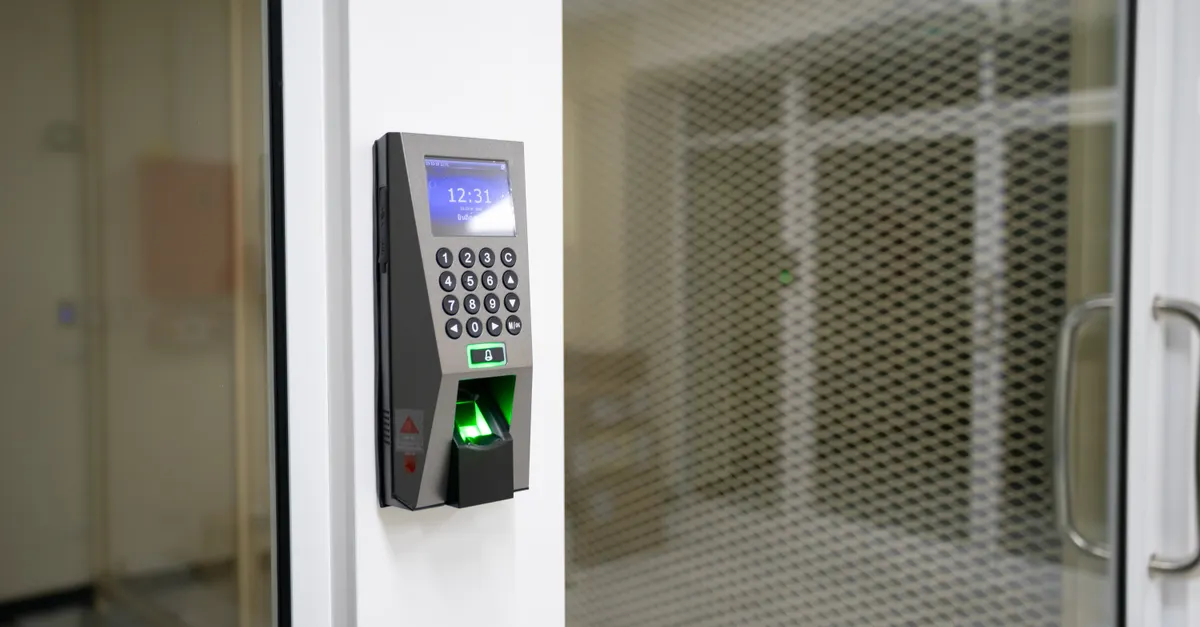
Modern file cabinets often use keypad locks for added convenience and security, but these systems can sometimes develop issues—most commonly, unresponsive or stuck buttons. When this happens, accessing important documents or supplies can become a frustrating challenge. Understanding the basics of keypad file cabinet lock repair can help you restore functionality quickly and avoid unnecessary downtime.
This article covers common causes of keypad lock failures, step-by-step troubleshooting, and practical repair solutions. Whether you manage an office or rely on secure storage at home, these insights will help you address unresponsive buttons and keep your cabinet secure. If you’re also interested in broader storage security, you may find the office storage cabinet lock repair guide useful for more general cabinet lock issues.
Understanding Keypad Lock Failures on File Cabinets
Keypad locks use electronic circuits to register button presses and release the locking mechanism. Over time, several factors can cause the buttons to stop working or respond inconsistently. Recognizing these issues early is crucial for effective keypad file cabinet lock repair and preventing lockouts.
- Battery depletion: Weak or dead batteries are the most common cause of unresponsive keypads.
- Wear and tear: Frequent use can wear out buttons or internal contacts, leading to inconsistent input.
- Dirt and debris: Dust, grime, or spills can interfere with button movement or electrical contacts.
- Moisture exposure: Humidity or accidental spills may cause corrosion or short circuits.
- Internal component failure: Circuit board or wiring issues can disrupt the lock’s operation.
If your keypad lock is battery-powered, you might also want to review solutions for battery powered file cabinet lock fix for more targeted troubleshooting.
Initial Troubleshooting Steps for Unresponsive Keypad Buttons
Before attempting any repairs, it’s important to diagnose the root cause of the problem. Follow these steps to quickly identify the issue with your file cabinet’s keypad lock:
- Check the battery: Replace the batteries with fresh ones, ensuring correct polarity. Many keypads will flash or beep to indicate low battery, but some may simply stop responding.
- Inspect for visible damage: Look for cracked, sunken, or sticky buttons. Physical damage often points to worn-out parts or debris.
- Test all buttons: Press each button individually. If only certain buttons are unresponsive, the issue may be limited to those contacts.
- Listen for sounds: Some locks emit a beep or click when a button is pressed. Lack of feedback may indicate a power or circuit issue.
- Review the user manual: Some keypad locks have reset procedures or error codes. Refer to the manufacturer’s guide for model-specific advice.
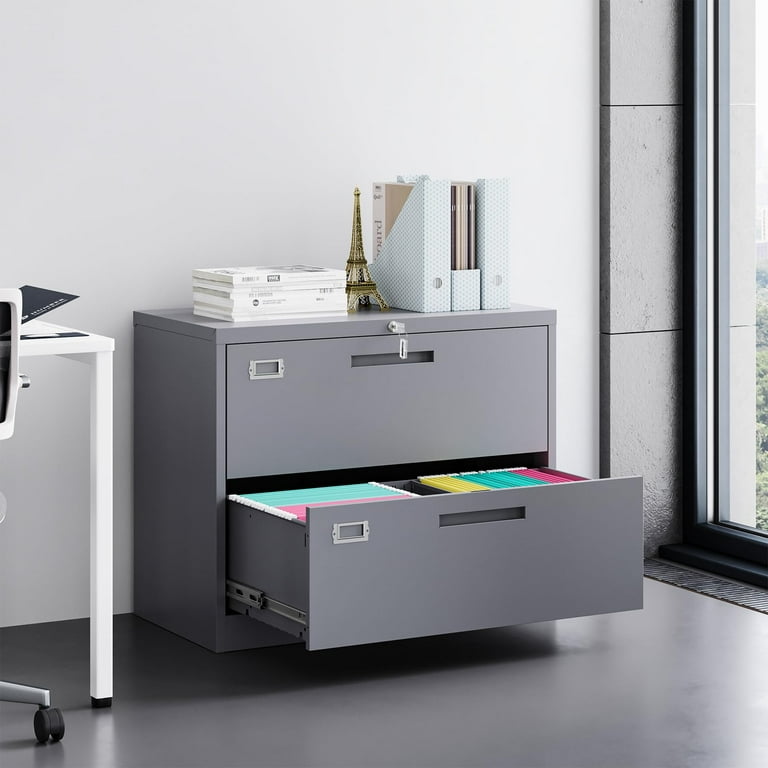
Step-by-Step Guide to Fixing Stuck or Unresponsive Buttons
Once you’ve identified the likely cause, you can attempt a hands-on repair. Here’s a practical approach to restoring your keypad lock’s functionality:
1. Power Cycle the Lock
Remove the batteries and wait at least 30 seconds before reinserting them. This resets the lock’s electronics and can resolve minor glitches.
2. Clean the Keypad Surface
Use a soft, slightly damp cloth to wipe away dust or residue from the keypad. Avoid using harsh chemicals or excessive moisture, as these can damage the electronics.
3. Address Sticky or Sunken Buttons
If buttons are physically stuck, gently pry them up with a plastic tool or toothpick. Compressed air can help remove debris from around the buttons. For more stubborn grime, a cotton swab lightly dampened with rubbing alcohol can be used to clean the edges.
4. Inspect Internal Contacts (Advanced)
If cleaning doesn’t help, you may need to open the keypad housing. Unscrew the back panel (if accessible) and check for loose wires, corrosion, or worn contacts. Carefully clean contacts with a pencil eraser or contact cleaner, then reassemble.
5. Reset or Reprogram the Lock
Some keypads require a reset after battery replacement or cleaning. Follow the manufacturer’s instructions to reset or reprogram the lock. If you’ve forgotten the code or need to set a new one, see the reset file cabinet combination lock guide for step-by-step help.
6. Test the Lock Thoroughly
After making adjustments, test every button and the locking mechanism several times. Ensure the lock responds consistently before returning the cabinet to regular use.
When to Seek Professional Help for Keypad Lock Issues
While many keypad lock problems can be resolved with basic troubleshooting, some situations require expert attention. If you encounter any of the following, it’s best to contact a locksmith:
- The keypad remains unresponsive after battery replacement and cleaning.
- Buttons are physically damaged or missing.
- Internal wiring or circuit board appears corroded or broken.
- You’re unable to reset or reprogram the lock using the manufacturer’s instructions.
A professional locksmith can diagnose complex electronic failures, source replacement parts, and ensure your cabinet remains secure. For more details on replacing or upgrading your lock, see this comprehensive guide to file cabinet lock replacement.
Preventive Maintenance Tips for Keypad File Cabinet Locks
Regular maintenance can extend the lifespan of your keypad lock and minimize the risk of unresponsive buttons. Consider these best practices:
- Change batteries proactively every 6–12 months, or as recommended by the manufacturer.
- Keep the keypad clean and dry. Wipe it down regularly and address spills immediately.
- Avoid pressing buttons with excessive force or sharp objects.
- Test the lock periodically to ensure all buttons function properly.
- Store backup keys or override codes in a secure location.
If you experience recurring issues with electronic or sensor-based locks, you may also want to explore solutions for file cabinet lock sensor issues to address more advanced problems.
FAQ: Keypad File Cabinet Lock Button Problems
What should I do if only some buttons on my keypad lock don’t work?
If certain buttons are unresponsive, try cleaning around the affected keys with compressed air or a cotton swab. If the issue persists, the internal contacts may be worn or damaged, requiring further inspection or professional repair.
Can I use household cleaners to clean my keypad lock?
It’s best to avoid harsh chemicals. Use a soft, damp cloth or a cotton swab with a small amount of rubbing alcohol. Excessive moisture or strong cleaners can damage the electronics inside the keypad.
How do I know if the problem is the keypad or the lock mechanism?
If the keypad lights up or beeps but the lock doesn’t open, the issue may be with the locking mechanism. If there’s no response at all, the problem is likely with the keypad, batteries, or internal wiring.
Is it possible to replace just the keypad on my file cabinet lock?
In many cases, replacement keypads are available from the manufacturer or locksmiths. However, compatibility varies by model, so check your cabinet’s specifications before purchasing a replacement part.
How can I prevent keypad lock issues in the future?
Regularly change the batteries, keep the keypad clean, and avoid exposing the lock to moisture or physical abuse. Periodic testing and prompt attention to minor issues can help prevent more serious problems.
For those dealing with combination or dial-based locks, you might find the file cabinet combination lock repair resource helpful for different types of locking mechanisms.