Maintaining the security of office supplies and sensitive documents is a priority for any workplace. When a storage cabinet lock fails, it can put valuable materials at risk and disrupt daily operations. Office storage cabinet lock repair is a practical skill that helps ensure your business stays organized and protected. Whether you’re dealing with a stuck key, a malfunctioning latch, or a modern electronic lock, understanding how to identify and address common issues can save time and reduce frustration.
Many offices rely on cabinets to store confidential paperwork, IT equipment, or expensive supplies. A faulty lock can compromise privacy and lead to unnecessary expenses. In this guide, we’ll cover the most frequent lock problems, step-by-step repair tips, and when to consider professional help. For those using advanced locking mechanisms, you may also find it helpful to review related topics like file cabinet lock sensor issues for troubleshooting modern proximity locks.
Why Cabinet Lock Maintenance Matters
Workplace cabinets often contain sensitive or valuable items. A broken or unreliable lock not only exposes these contents to theft or unauthorized access, but also undermines compliance with privacy policies. Regular maintenance and timely cabinet lock repairs help prevent these risks and extend the lifespan of your storage solutions.
- Security: Protects confidential files, keys, and assets.
- Compliance: Supports data privacy and regulatory requirements.
- Efficiency: Reduces downtime caused by jammed or broken locks.
Proactive care also minimizes the need for costly replacements and keeps your office running smoothly.
Common Issues with Office Storage Cabinet Locks
Understanding the typical problems that affect cabinet locks can help you diagnose and resolve them quickly. Here are some of the most frequent challenges:
- Key Won’t Turn or Insert: Dirt, debris, or misalignment can prevent the key from working properly.
- Lock Cylinder Spins Freely: Indicates a disconnected or damaged cam mechanism inside the lock.
- Broken or Bent Key: Keys can snap off inside the lock, especially if the mechanism is stiff or worn.
- Latch Not Engaging: The locking bar or latch may be out of alignment or obstructed.
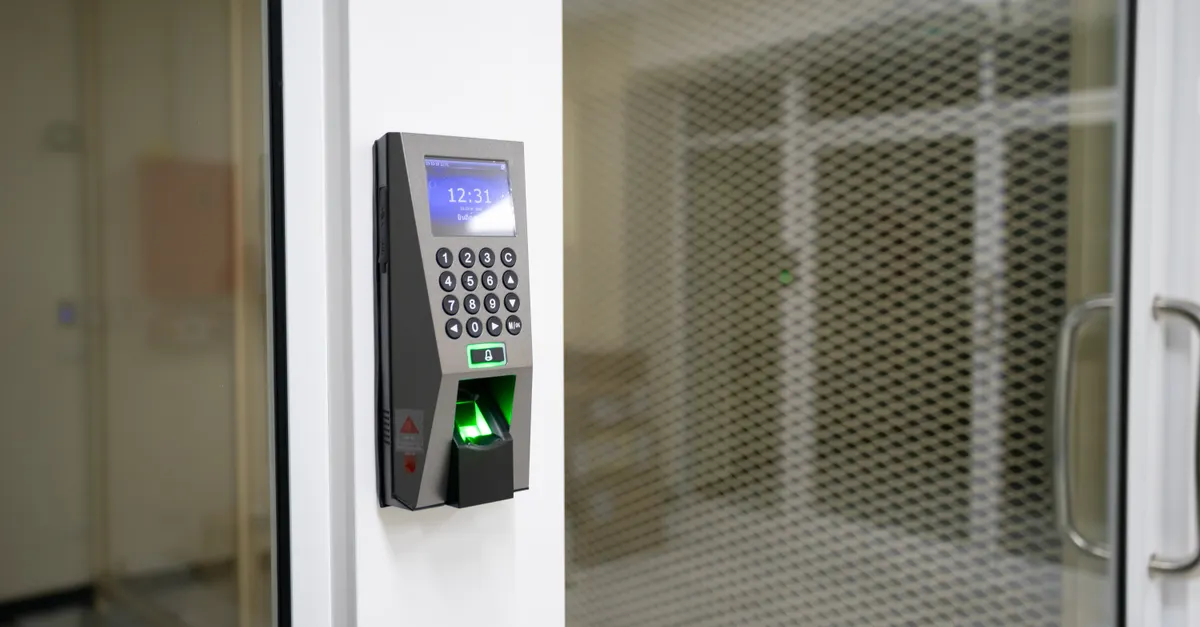
- Electronic Lock Malfunctions: Battery issues, sensor faults, or software glitches can affect digital locks.
For more advanced troubleshooting, such as dealing with battery-powered or combination locks, you can explore resources like battery powered file cabinet lock fix and file cabinet combination lock repair.

Step-by-Step Guide to Fixing Cabinet Locks
Repairing a faulty cabinet lock doesn’t always require professional help. Here’s a straightforward process to address the most typical issues:
1. Inspect the Lock and Key
Start by examining the key and the lock cylinder. Look for visible damage, dirt, or signs of wear. If the key is bent or worn, try a spare if available. For stuck keys, gently wiggle while applying slight turning pressure—never force it, as this can break the key inside the lock.
2. Clean and Lubricate
Dust and debris can clog the mechanism. Use a can of compressed air to blow out dirt from the keyway. Apply a graphite-based lubricant (avoid oil-based sprays, which attract dust) to keep the pins moving smoothly.
3. Realign or Tighten Components
If the lock cylinder spins or feels loose, check the mounting nut or screws inside the cabinet. Tighten them carefully. For locks that won’t engage, inspect the latch or cam for misalignment and adjust as needed.
4. Remove Broken Keys
If a key breaks off inside the lock, use needle-nose pliers or a broken key extractor tool to gently pull out the fragment. Avoid pushing the broken piece further in.
5. Addressing Electronic or Combination Locks
For digital or combination locks, check the battery compartment and replace batteries if needed. If the lock uses a code, ensure it hasn’t been reset or jammed. For more guidance, see the file cabinet lock reset guide for step-by-step instructions on clearing and setting new codes.
When to Call a Professional Locksmith
Some situations require expert help, especially if:
- The lock is severely damaged or jammed beyond simple fixes.
- You’ve lost all keys and have no access to spares.
- Electronic locks display persistent errors or won’t reset.
- Security compliance requires professional installation or repair.
Locksmiths have specialized tools and experience to open, repair, or replace locks without damaging your cabinet. If you’re unsure about tackling a repair yourself, or if the cabinet contains sensitive materials, it’s best to consult a professional.
For a real-world example of troubleshooting a malfunctioning lock, check out this discussion on diagnosing filing cabinet lock mechanisms.

Preventive Tips to Avoid Future Lock Problems
Regular care and smart practices can help you avoid many common lock issues. Here are some preventive measures:
- Clean and lubricate locks every few months to prevent sticking.
- Use duplicate keys sparingly and store spares securely.
- Train staff on proper use—avoid slamming doors or forcing keys.
- Upgrade to higher-quality or electronic locks for added durability and security.
- Schedule periodic inspections, especially for cabinets storing sensitive materials.
For those using combination or digital locks, periodic resets and battery checks are essential. If you need to reset a dial lock, the reset file cabinet combination lock guide offers simple steps for improved security.
FAQ: Office Cabinet Lock Repairs and Security
How do I know if my cabinet lock needs repair or replacement?
If the lock is difficult to turn, the key is frequently stuck, or the mechanism feels loose, a repair may be possible. However, if the lock is physically broken, rusted, or cannot be secured even after cleaning and tightening, replacement is often the safest choice.
Can I repair an electronic cabinet lock myself?
Basic issues like battery replacement or code resets are often manageable without professional help. For persistent electronic malfunctions, sensor failures, or software errors, it’s best to consult a locksmith or the manufacturer’s support resources.
What should I do if I lose all keys to my office cabinet?
If no spare keys are available, contact a professional locksmith. They can open the cabinet without damaging it and provide new keys or install a replacement lock as needed. Avoid trying to force the lock open, as this can cause further damage.
Are there ways to improve the security of my office storage cabinets?
Yes. Consider upgrading to high-security or electronic locks, using lock bars for added protection, and regularly reviewing access permissions. Training employees on secure storage practices also helps maintain a safe workplace environment.
Conclusion
Keeping office supplies and documents secure starts with reliable cabinet locks. By understanding common problems, following practical repair steps, and knowing when to seek professional help, you can protect your workplace assets and maintain smooth operations. Regular maintenance and timely attention to lock issues will help you avoid disruptions and ensure peace of mind.