Keeping your documents secure often depends on the reliability of your file cabinet lock. Over time, you may need to reset the code or combination, whether due to lost access, a change in personnel, or simply for better security. This file cabinet lock reset guide provides step-by-step instructions for clearing old codes and setting new ones, covering both mechanical and digital lock types. By following these practical tips, you can restore access and enhance the safety of your stored materials.
Before diving into the reset process, it’s important to understand the type of lock you have and gather any necessary tools or documentation. If you’re dealing with a jammed or malfunctioning mechanism, you may also want to review related resources, such as file cabinet lock bolt repair or file cabinet locking rod repair, to ensure your cabinet is in good working order before resetting the code.
Understanding File Cabinet Lock Types
Before starting the reset process, identify your lock type. Most file cabinets use one of the following:
- Mechanical combination locks: Require a rotating dial or push-button sequence.
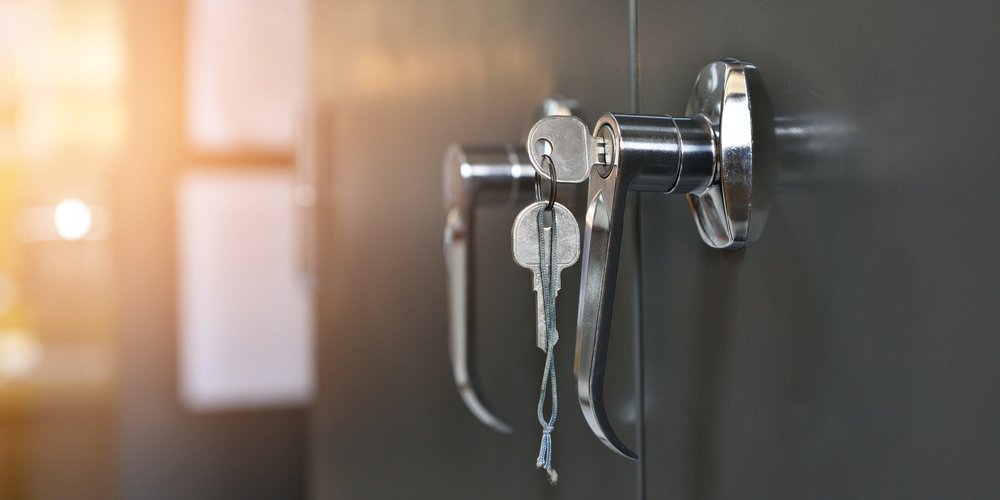
- Keyed locks: Use a physical key, often with a tubular or pin tumbler design.
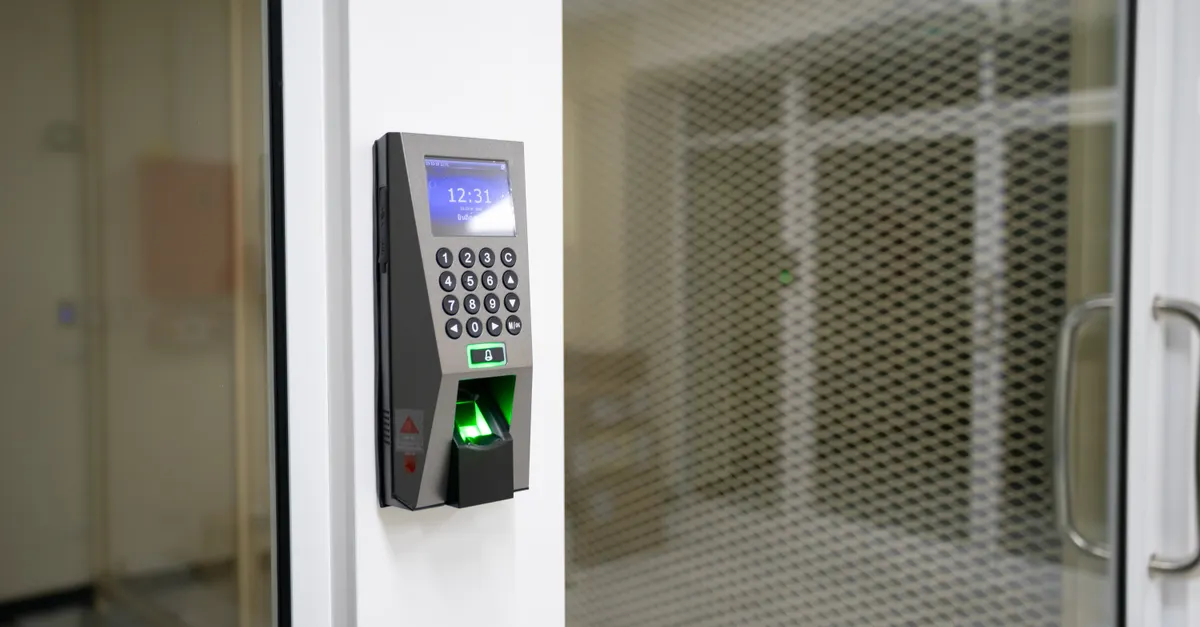
- Digital keypad locks: Feature a numeric keypad for code entry.
Each type has a different reset procedure. For combination and digital locks, resetting usually involves clearing the old code and programming a new one. Keyed locks may require rekeying or replacing the cylinder, which is a different process but still relevant for overall security.
If your lock is a combination model and you need more detailed steps, the reset file cabinet combination lock article provides additional guidance.
Preparing for a Lock Code Reset
Resetting a file cabinet lock is straightforward if you have the right information and tools. Here’s how to get ready:
- Locate the manufacturer’s instructions: These often provide model-specific reset steps.
- Gather necessary tools: You may need a screwdriver, reset key, or access code, depending on your lock.
- Open the cabinet: Most locks require the cabinet to be open before you can reset the code.
- Check for reset access: Some locks have a small hole or button labeled “reset” on the inside or back.
Always make sure you have permission to reset the lock, especially in shared or workplace environments. If you encounter resistance or a jammed mechanism, review file cabinet lock actuator fix for troubleshooting tips.

Step-by-Step Instructions for Resetting Your File Cabinet Lock
Resetting Mechanical Combination Locks
- Open the cabinet and locate the reset access (usually on the back or inside of the lock mechanism).
- Insert the reset key or tool (if required by the manufacturer).
- Turn or press the reset mechanism as instructed in your manual.
- Set your new combination by rotating the dials or pressing the buttons in your desired sequence.
- Release the reset mechanism and test the new code several times before closing the cabinet.
If you have trouble, consult the file cabinet lock misalignment repair resource to ensure the lock is properly aligned.
Changing Codes on Digital Keypad Locks
- With the cabinet open, locate the reset button (often inside the lock housing or battery compartment).
- Press and hold the reset button until the indicator light flashes or you hear a beep.
- Enter your new code, following the manufacturer’s instructions for length and format.
- Press the “enter” or “set” button to confirm the new code.
- Test the new code several times before closing the cabinet to ensure it works reliably.
Rekeying or Replacing Keyed Locks
While not a code reset, rekeying a keyed lock is another way to restore security. This process typically involves:
- Removing the lock cylinder from the cabinet.
- Using a rekeying kit or taking the cylinder to a locksmith.
- Reinstalling the cylinder with new keys.
For more on replacing or upgrading keyed locks, see this comprehensive file cabinet lock replacement guide.
Common Mistakes and Troubleshooting Tips
Even with clear instructions, resetting a file cabinet lock can sometimes present challenges. Here are some common issues and solutions:
- Forgetting the new code: Write down the new code and store it securely, or use a password manager if the lock is digital.
- Lock won’t reset: Double-check that the cabinet is open and the reset mechanism is fully engaged. Consult the manual for model-specific steps.
- Jammed or stuck locks: Lubricate the mechanism with graphite or a lock-specific spray. If the problem persists, professional help may be needed.
- Misaligned locking rods: If the lock doesn’t engage properly after resetting, review file cabinet locking rod repair for alignment tips.
When in doubt, contacting a locksmith ensures the reset is performed correctly and securely.
When to Call a Professional Locksmith
Some situations require expert assistance, such as:
- Lost reset keys or codes with no backup.
- Damaged or malfunctioning lock mechanisms.
- High-security cabinets with advanced locking systems.
Professional locksmiths have the tools and expertise to reset, repair, or replace file cabinet locks quickly and safely. For urgent needs or complex issues, don’t hesitate to reach out for help.
Maintaining File Cabinet Security After Reset
Once you’ve set a new code or rekeyed your lock, take steps to maintain security:
- Change codes regularly, especially after staff changes or suspected breaches.
- Keep reset instructions and codes in a secure location.
- Inspect locks periodically for signs of wear or tampering.
- Upgrade to digital or high-security locks if your cabinet stores sensitive information.
Regular maintenance and proactive resets help prevent unauthorized access and keep your documents safe.
FAQ
How often should I reset my file cabinet lock code?
It’s a good practice to update your lock code at least once a year, or whenever there is a change in personnel or suspected compromise. Regular resets help maintain security and limit unauthorized access.
What if I forget my new combination or code?
If you forget your code, check if your lock has a master override or backup key. If not, consult the manufacturer’s instructions or contact a locksmith for assistance in regaining access and resetting the code.
Can I reset a file cabinet lock without the original key or code?
Resetting without the original key or code can be challenging. Some locks have override features, but many require professional help to open or reset. In these cases, a locksmith can safely restore access and set a new code for you.