


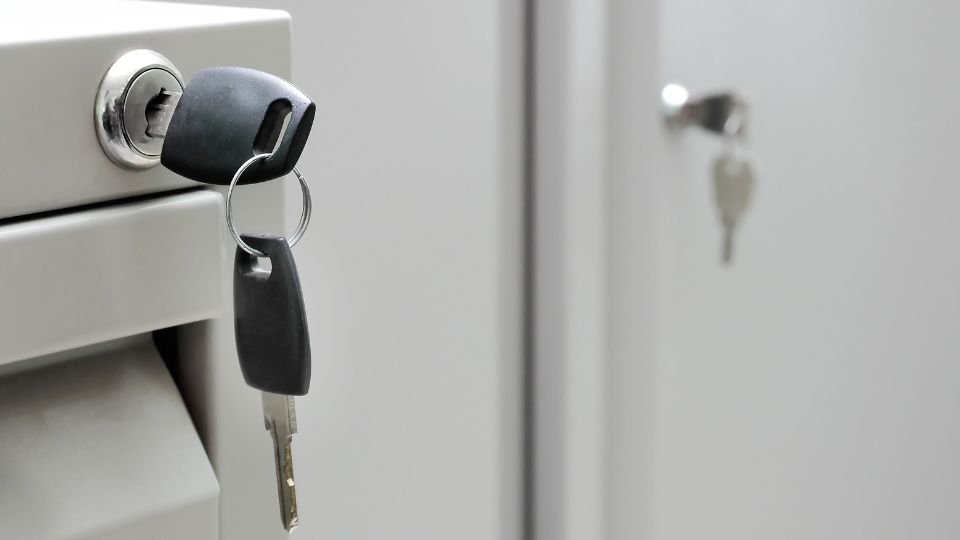
A malfunctioning file cabinet lock can quickly become a source of frustration, especially when you need secure access to important documents. Whether the deadbolt or latch bolt is stuck, misaligned, or broken, understanding how to approach file cabinet lock bolt repair can save you time and help maintain the security of your workspace. This guide covers the most common issues with file cabinet lock bolts, practical repair steps, and tips for restoring smooth operation.
Before diving into repairs, it’s helpful to understand the basic components of a file cabinet lock. If you’re unsure about the internal mechanisms, reviewing a detailed file cabinet lock parts diagram can help you identify the bolt, cylinder, and related hardware. Addressing bolt problems early can prevent further damage and keep your cabinet secure.
Understanding File Cabinet Lock Bolts
File cabinets typically use either a deadbolt or a latch bolt to secure drawers. The deadbolt is a solid metal bar that extends into the cabinet frame, providing strong resistance against forced entry. The latch bolt, on the other hand, is spring-loaded and retracts when the lock is turned, allowing the drawer to open. Both types of bolts can experience wear, misalignment, or breakage over time, leading to lock malfunctions.
Common symptoms of bolt issues include:
- Drawer won’t lock or unlock
- Key turns but bolt doesn’t move
- Loose or wobbly lock mechanism
- Drawer gets stuck in locked position
Diagnosing Common Lock Bolt Problems
Accurate diagnosis is the first step in any file cabinet lock bolt repair process. Start by observing how the lock behaves when you insert and turn the key. If the key turns freely but the drawer remains locked, the bolt may be disconnected from the cylinder or jammed. If the lock feels stiff or the key won’t turn, debris or corrosion could be causing the issue.
For a more detailed breakdown of internal lock issues, you can consult resources like the file cabinet lock core stuck repair guide, which explains how to restore movement to a seized core.
Step-by-Step Guide to Fixing Deadbolt and Latch Bolt Issues
Tackling a faulty lock bolt requires some basic tools and patience. Here’s a practical approach to resolving the most common problems:
- Remove the Lock Cylinder: Open the drawer (if possible) and locate the retaining clip or screw holding the lock cylinder in place. Remove it carefully, then slide out the cylinder.
- Inspect the Bolt Mechanism: Examine the deadbolt or latch bolt for visible damage, misalignment, or debris. Check if the bolt moves freely when operated by hand.
- Clean and Lubricate: Use a dry cloth to remove dust and debris. Apply a small amount of graphite lubricant to the bolt and moving parts to restore smooth operation.
- Realign or Replace Damaged Parts: If the bolt is bent or broken, it may need to be replaced. Realign any mispositioned components and ensure the bolt extends and retracts fully.
- Reassemble the Lock: Slide the cylinder back into place and secure it with the retaining clip or screw. Test the lock several times to confirm the repair.
If you encounter persistent issues, such as a seized core or a lock that won’t reassemble correctly, refer to the file cabinet lock reassembly guide for step-by-step instructions.
When to Replace the Lock Bolt or Cylinder
Sometimes, a lock bolt is too worn or damaged for a simple repair. If you notice cracks, severe bends, or missing pieces, replacement is the safest option. Most file cabinet locks use standard-sized bolts and cylinders, which are available at hardware stores or through locksmiths.
To upgrade or change the cylinder entirely, follow the steps in the how to change file cabinet lock cylinder tutorial. This can restore security and ensure reliable operation.
Preventing Future Lock Bolt Problems
Regular maintenance can extend the life of your file cabinet lock and prevent future bolt issues. Here are a few tips:
- Clean the lock and bolt area every few months to prevent dust buildup.
- Lubricate moving parts with graphite or silicone spray, avoiding oil-based products that attract dirt.
- Avoid slamming drawers, as this can misalign or damage the bolt.
- Check for loose screws or hardware and tighten as needed.
If you notice early signs of trouble, such as stiffness or difficulty locking, address them promptly to avoid more serious repairs.
Expert Help and Additional Resources
While many bolt repairs are manageable with basic tools, some situations require professional assistance. If the lock is severely damaged, the bolt is inaccessible, or you’re concerned about security, contacting a locksmith is the best course of action. For more detailed instructions and troubleshooting, you can refer to guides like how to repair a broken filing cabinet lock for step-by-step visuals and advice.
For issues related to jammed or seized lock cylinders, the file cabinet lock cylinder stuck fix article provides practical solutions for releasing a stuck core.
Frequently Asked Questions
What causes a file cabinet lock bolt to stop working?
Common reasons include accumulated dirt or debris, worn or bent bolts, misaligned hardware, or a disconnected lock cylinder. Regular use and lack of maintenance can also contribute to bolt failure.
Can I repair a file cabinet lock bolt myself, or should I call a locksmith?
Many bolt issues can be fixed with basic tools and careful attention to detail. However, if the lock is severely damaged, the bolt is inaccessible, or you’re unsure about the repair process, it’s best to seek help from a professional locksmith.
How do I know if the bolt needs to be replaced instead of repaired?
If the bolt is cracked, severely bent, or missing parts, replacement is recommended. Minor misalignments or debris can often be fixed, but structural damage requires a new bolt for reliable security.
Conclusion
Addressing file cabinet lock bolt repair promptly ensures your documents remain secure and accessible. By diagnosing the problem, following practical repair steps, and maintaining your lock regularly, you can extend the life of your cabinet and avoid costly replacements. For persistent or complex issues, don’t hesitate to consult a locksmith or explore the additional resources linked throughout this article.