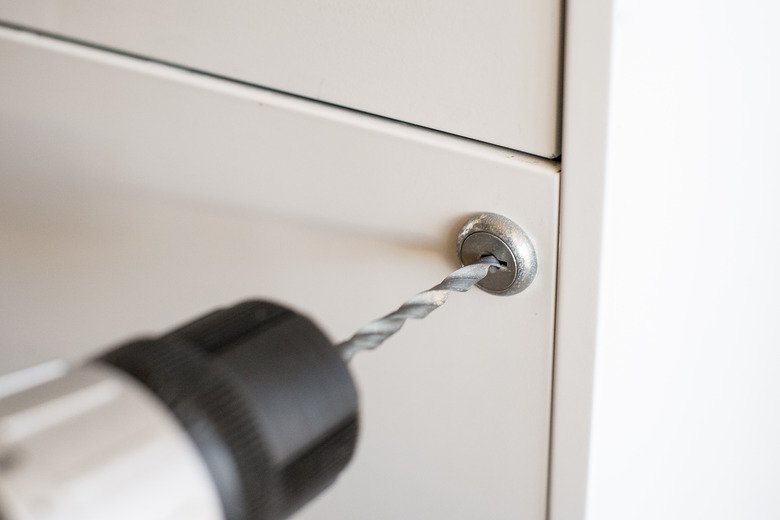
Understanding the internal workings of a file cabinet lock is essential for anyone looking to maintain, repair, or replace these security devices. Whether you are a facilities manager, office administrator, or simply want to secure your personal documents, knowing each part and how it functions can help you troubleshoot issues and make informed decisions. This guide breaks down the anatomy of a typical file cabinet lock, providing a clear overview of all the essential components you’ll encounter.
Before diving into the details, it’s helpful to familiarize yourself with common problems and solutions. For those who have experienced issues like stuck keys or jammed locks, resources such as the file cabinet lock troubleshooting guide offer practical advice for quick diagnostics. With a foundational understanding, you’ll be better equipped to identify and address any challenges that arise.
Why Knowing Lock Components Matters
File cabinets are a staple in offices and homes, safeguarding sensitive documents and valuables. When a lock malfunctions, the ability to identify and understand each internal part can save time and money. Recognizing the structure of a lock also helps when you need to order replacement parts or communicate with a locksmith.
For more advanced issues, such as extracting a broken key, you might find the extract broken key from file cabinet lock article helpful. These resources complement your knowledge of lock anatomy, making maintenance and repair more straightforward.
Breaking Down the Anatomy of a File Cabinet Lock
Most file cabinet locks share a similar internal structure, though there may be slight variations depending on the manufacturer and model. Below is a breakdown of the main components you’ll find inside a standard cam lock, which is the most common type used in filing cabinets.
1. Lock Cylinder
The lock cylinder is the core of the locking mechanism. This is the part where you insert the key. Inside the cylinder, a series of pins or wafers align with the cuts on the key, allowing the cylinder to rotate when the correct key is used. If the pins do not align, the cylinder remains locked.
2. Housing or Body
The housing (sometimes called the body) encases the cylinder and other internal parts. It is typically made of metal and is mounted through a hole in the cabinet drawer or door. The housing provides structural support and protects the delicate internal components from damage.
3. Cam
The cam is a flat, often L-shaped or straight metal piece attached to the end of the cylinder. When you turn the key, the cam rotates, engaging or disengaging the locking bar or latch. The cam is responsible for physically securing the drawer or door in place.

4. Retaining Clip or Nut
The retaining clip or nut secures the lock cylinder within the housing. This component is usually located at the rear of the lock and prevents the cylinder from sliding out. Some locks use a horseshoe-shaped clip, while others use a threaded nut that screws onto the cylinder.
5. Locking Bar or Rod
Many file cabinets use a locking bar or rod that runs vertically or horizontally inside the cabinet. When the cam rotates, it moves this bar into a slot or notch, locking all drawers simultaneously. This mechanism is especially common in multi-drawer cabinets to prevent more than one drawer from opening at a time.
6. Key Pins or Wafers
Inside the cylinder, key pins (in pin tumbler locks) or wafers (in wafer locks) interact with the key. Each pin or wafer must align perfectly with the shear line for the lock to open. If they do not, the cylinder remains immobile.
7. Springs
Springs are used to keep the pins or wafers in place and return them to their default position when the key is removed. These tiny components are crucial for the lock’s operation and can cause problems if they become worn or damaged.
8. Dust Cover or Faceplate
Some locks feature a dust cover or faceplate to protect the keyway from debris and dust. This helps maintain the lock’s functionality over time and can be especially important in high-traffic or dusty environments.
Visual Guide: Typical File Cabinet Lock Assembly
While a diagram can provide a helpful reference, it’s important to recognize each part by its function and placement. Below is a simplified table summarizing the main components and their roles:
| Component | Description | Function |
|---|---|---|
| Lock Cylinder | Central core with keyway | Receives key, rotates to unlock |
| Housing | Outer shell of lock | Holds cylinder and internal parts |
| Cam | Metal arm at rear | Engages/disengages locking bar |
| Retaining Clip/Nut | Secures cylinder | Keeps lock in place |
| Locking Bar/Rod | Movable bar inside cabinet | Locks/unlocks drawers |
| Key Pins/Wafers | Small pins or plates | Align with key to allow rotation |
| Springs | Tiny coils | Return pins/wafers to position |
| Dust Cover/Faceplate | Protective cover | Shields keyway from debris |
Common Issues and Troubleshooting Tips
Even with a solid understanding of lock components, problems can still occur. Some frequent issues include:
- Key won’t turn or is difficult to insert
- Lock cylinder spins freely without engaging the cam
- Drawers remain locked even after turning the key
- Broken or stuck keys inside the cylinder
For step-by-step solutions, the common file cabinet lock problems article covers a range of scenarios, from jammed locks to key extraction. If you encounter a broken key, specialized guides on file cabinet lock key extraction methods provide detailed instructions and tool recommendations.
When to Replace or Upgrade Your Lock
Over time, wear and tear can compromise the security and functionality of your file cabinet lock. If you notice persistent issues, visible damage, or if the lock no longer feels secure, it may be time for a replacement. For a comprehensive overview of the replacement process, consult this step-by-step guide to replacing file cabinet locks. Upgrading to a higher-security lock or a model with advanced features can also enhance protection for sensitive documents.
Maintenance Tips for Longevity
To keep your file cabinet lock in optimal condition:
- Lubricate the cylinder periodically with a graphite-based lubricant
- Keep the keyway clean and free from dust or debris
- Inspect the cam and locking bar for signs of wear
- Replace worn springs or pins as needed
- Use the correct key and avoid forcing the lock
Regular maintenance not only extends the life of your lock but also ensures reliable security for your files and valuables.
Frequently Asked Questions
What should I do if my file cabinet lock is jammed?
If your lock is jammed, first check for debris in the keyway and try gently wiggling the key. Avoid using excessive force. If the problem persists, refer to a file cabinet lock troubleshooting guide for more detailed steps or contact a professional locksmith.
Can I replace just one part of my file cabinet lock?
In many cases, individual components such as the cam, retaining clip, or even the cylinder can be replaced. However, it’s important to ensure compatibility with your specific lock model. If you’re unsure, consult the manufacturer or a locksmith for guidance.
How do I extract a broken key from a file cabinet lock?
Extracting a broken key typically requires specialized tools and patience. Guides on file cabinet lock key extraction methods offer step-by-step instructions. If you’re unable to remove the key yourself, a locksmith can assist without damaging the lock.
Are all file cabinet locks the same inside?
While most file cabinet locks share common components, there can be differences in design, especially between pin tumbler and wafer locks. Always check your specific lock’s diagram or consult the manufacturer for accurate identification.
Conclusion
Knowing the internal structure of your file cabinet lock empowers you to handle repairs, replacements, and troubleshooting with confidence. By recognizing each component and understanding its function, you can maintain your cabinet’s security and extend the lifespan of your lock. For persistent or complex issues, don’t hesitate to seek professional assistance—quick, reliable help is always available when you need it.