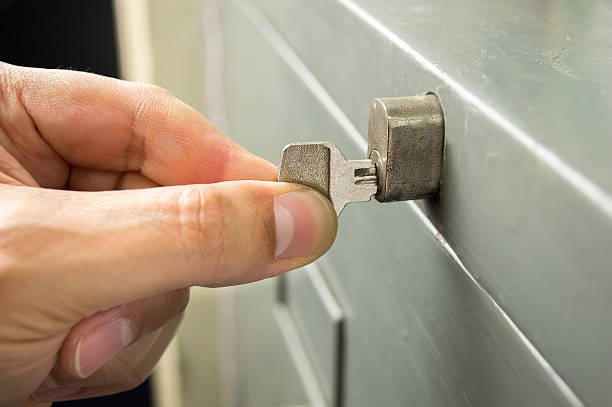
Dealing with a snapped key inside a file cabinet lock can be frustrating, especially when you need access to important documents. Fortunately, with the right approach and a few practical tools, you can often remove the broken piece yourself without damaging the lock or the cabinet. This guide shares expert advice on how to extract a broken key from a file cabinet lock safely and efficiently, whether you’re at the office or at home.
Before you start, it’s important to understand the type of lock you’re working with and the condition of the broken key. Acting carefully can help you avoid making the problem worse. If you’re unsure about any step, or if the lock is valuable or irreplaceable, consider reaching out to a professional locksmith for assistance.
For more detailed troubleshooting steps and tips on different cabinet lock types, you may find the file cabinet lock troubleshooting guide helpful as you work through the process.
Understanding Why Keys Break in File Cabinet Locks
Keys can snap inside locks for several reasons. Over time, metal fatigue, rust, and debris can weaken a key or make the lock mechanism stiff. Forcing a key to turn when the lock is jammed or misaligned often leads to breakage. Sometimes, using the wrong key or a poorly cut duplicate can also cause the key to shear off inside the cylinder.
Common causes include:
- Worn or bent keys that have lost their original strength
- Stiff or dirty locks that require extra force to turn
- Incorrect key usage or using a key that doesn’t fit perfectly
- Sudden temperature changes causing metal to contract or expand
Understanding these factors can help you prevent future incidents and choose the best method for removing the broken piece.
Initial Steps Before Attempting Key Extraction
Before you try to extract a broken key from a file cabinet lock, take a moment to assess the situation:
- Check how much of the key is visible in the lock. If a small portion is sticking out, removal is usually easier.
- Do not insert the remaining part of the key or any other object into the lock, as this can push the broken piece further inside.
- Gather basic tools: needle-nose pliers, tweezers, a small flathead screwdriver, or a broken key extractor if available.
- Apply a small amount of graphite lubricant or lock spray to the keyway to reduce friction.
Patience is key. Rushing or using excessive force can damage the lock mechanism, making repairs more complicated and costly.
Step-by-Step Methods to Remove a Broken Key
There are several proven techniques to retrieve a snapped key from a file cabinet lock. The best method depends on how much of the key is accessible and the tools you have on hand.
Using Pliers or Tweezers
If a portion of the broken key is protruding from the lock, try the following:
- Grip the exposed part firmly with needle-nose pliers or sturdy tweezers.
- Gently wiggle and pull the key straight out, avoiding twisting motions.
- If resistance is high, apply more lubricant and try again.
This method works best when the break occurred close to the key’s head, leaving enough metal to grasp.
Extracting a Key Stuck Deeper Inside
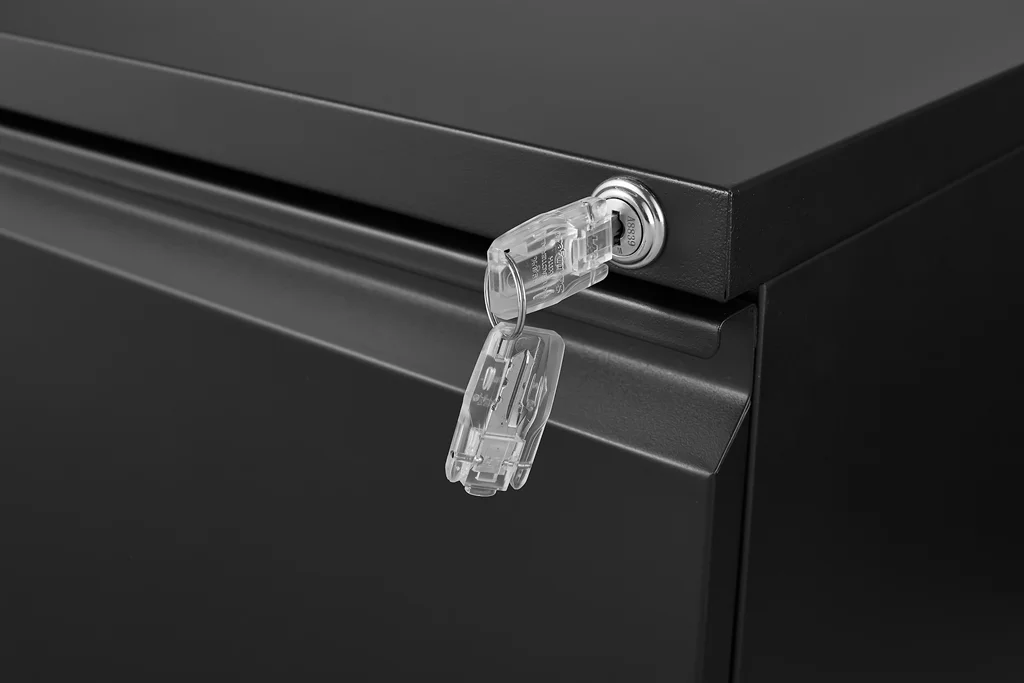
If the broken piece is flush with or inside the keyway, try these steps:
- Use a broken key extractor tool, which is a thin, hooked device designed for this purpose. Insert it alongside the broken key and gently hook the teeth, then pull outward.
- If you don’t have an extractor, a small jigsaw blade or a stiff wire with a hooked end can sometimes work as a substitute.
- Insert the tool carefully to avoid damaging the lock pins.
- Once you feel the tool catch on the key, pull it out slowly and steadily.
For more tips on fixing different cabinet lock types, you can refer to the steel file cabinet lock fix article for metal units or the wooden file cabinet lock repair guide for timber furniture.
Alternative DIY Approaches
If the above methods don’t work, consider these alternatives:
- Apply a small amount of super glue to the tip of a thin wire or matchstick, touch it to the broken key, and let it set. Gently pull the key out once the glue holds. Be cautious to avoid gluing the key to the lock itself.
- Use compressed air to blow out any debris that might be jamming the key inside the lock.
- Tap the back of the lock gently while pulling with tweezers to help dislodge the broken piece.
Always avoid forcing tools or using sharp objects that could damage the lock’s internal components.
When to Call a Professional Locksmith
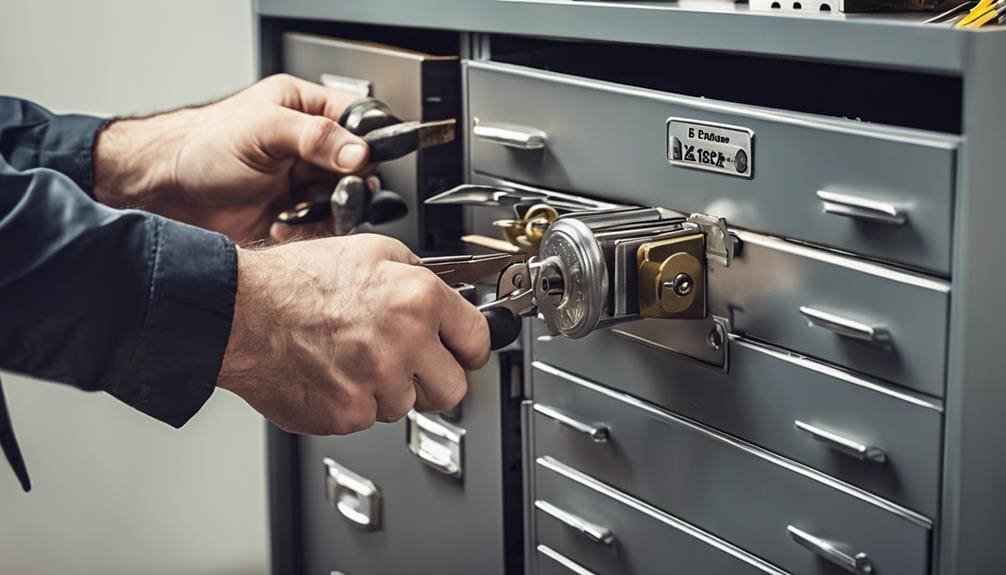
If you’ve tried the above methods and the broken key remains lodged, or if you’re worried about damaging the lock, it’s best to contact a professional. Locksmiths have specialized tools and experience to safely remove broken keys and restore your cabinet’s security. Attempting further DIY fixes without the right expertise can lead to more expensive repairs or even the need to replace the entire lock.
For situations involving forced entry damage or persistent lock issues, see the damaged file cabinet lock solutions resource for professional repair options.
Preventing Future Key Breakage in File Cabinets
Once you’ve resolved the immediate issue, take steps to prevent a repeat occurrence:
- Use only original or high-quality duplicate keys.
- Lubricate locks regularly with graphite or a recommended lock lubricant.
- Replace worn or bent keys before they break.
- Open and close locks gently—never force a key to turn.
- Keep the keyway clean and free of dust or debris.
If your lock is old or frequently jams, consider replacing it. For a step-by-step guide, see this comprehensive file cabinet lock replacement tutorial for best practices and safety tips.
Frequently Asked Questions
Can I use WD-40 to help remove a broken key from a file cabinet lock?
While WD-40 can provide temporary lubrication, it may attract dust and gum up the lock over time. Graphite powder or a dedicated lock lubricant is a better choice for freeing stuck keys and maintaining lock health.
What should I do if the broken key is completely inside the lock and not visible?
If no part of the key is sticking out, try using a broken key extractor tool or a thin jigsaw blade to hook and pull the key out. If these methods fail, it’s best to consult a locksmith to avoid damaging the lock mechanism.
Is it possible to make a new key from the broken pieces?
Yes, a locksmith can often create a new key using both pieces of the broken key. Keep all fragments and bring them to a locksmith, who can use them to cut a precise duplicate.
How can I tell if my file cabinet lock needs to be replaced after a key breaks?
If the lock is difficult to operate, shows signs of internal damage, or if you’ve had repeated key breakages, replacement is recommended. Persistent issues may indicate worn pins or a compromised cylinder.
Conclusion
Removing a snapped key from a file cabinet lock is a common challenge, but with the right tools and careful technique, it’s often possible to resolve the issue without professional help. Remember to work patiently, avoid forcing tools, and use proper lubricants. If you encounter persistent problems or risk damaging the lock, don’t hesitate to call a locksmith for expert assistance. By following these professional tips and maintaining your locks and keys, you can keep your file cabinets secure and functional for years to come.