When a file cabinet lock stops working, it can disrupt your workflow and compromise the security of sensitive documents. Whether you’re managing a busy office or organizing personal files at home, knowing how to quickly diagnose lock issues is essential. This file cabinet lock troubleshooting guide offers step-by-step solutions to help you identify and resolve common problems, ensuring your cabinet remains secure and accessible.
Understanding the basic mechanisms behind file cabinet locks and the most frequent causes of failure can save time and prevent unnecessary damage. For those dealing with specific materials, such as metal or wood, specialized resources like the steel file cabinet lock fix and wooden file cabinet lock repair guides provide targeted advice. In this article, we’ll focus on universal diagnostic steps that apply to most file cabinet locks, helping you restore functionality quickly and safely.
Recognizing Common File Cabinet Lock Issues
Before diving into repairs, it’s important to identify the nature of the problem. File cabinet locks can fail for a variety of reasons, and recognizing the symptoms will help you choose the right solution. Here are some of the most frequent issues:
- Key won’t turn: The key is inserted but does not rotate, possibly due to a jammed mechanism or worn key.
- Key stuck in lock: The key cannot be removed, often caused by misalignment or internal debris.
- Lock spins freely: The lock cylinder turns without engaging the locking bar, indicating a disconnected or broken component.
- Drawer won’t open or close: Even when unlocked, the drawer remains stuck, which may be due to misaligned parts or internal obstructions.
- Lock won’t engage: The lock does not secure the drawers, possibly due to a damaged cam or locking bar.
For a deeper understanding of why these failures occur, the file cabinet lock failure causes resource provides a comprehensive overview of mechanical issues and preventative tips.
Quick Diagnostic Steps for File Cabinet Locks
To efficiently troubleshoot a malfunctioning file cabinet lock, follow these practical steps. Each step is designed to help you pinpoint the cause and determine whether a simple fix or professional help is needed.
1. Inspect the Key and Lock Cylinder
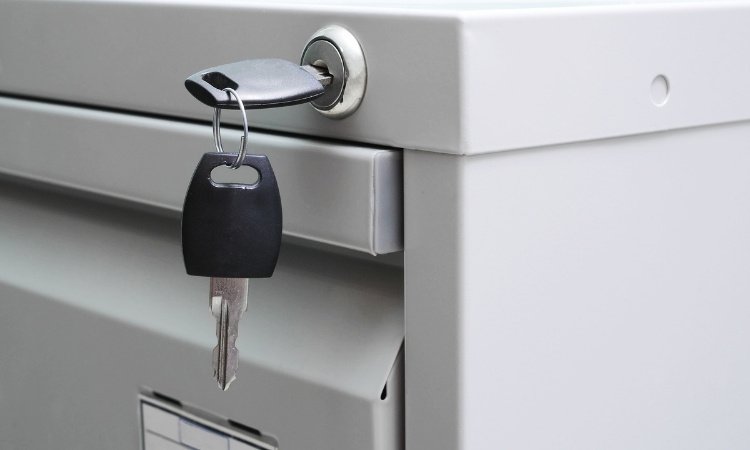
Start by examining the key for signs of wear, bending, or damage. A deformed key can prevent proper engagement with the lock pins. Try using a spare key if available. If the key is in good condition, check the lock cylinder for visible debris, dust, or signs of tampering. Gently clean the keyhole with compressed air or a soft brush to remove any obstructions.
2. Lubricate the Mechanism
Stiff or jammed locks are often the result of dried-out internal components. Apply a small amount of graphite powder or a lock-specific lubricant to the keyhole. Avoid using oil-based products, as they can attract dust and worsen the problem over time. Insert and remove the key several times to distribute the lubricant evenly.

3. Check for Alignment and Obstructions
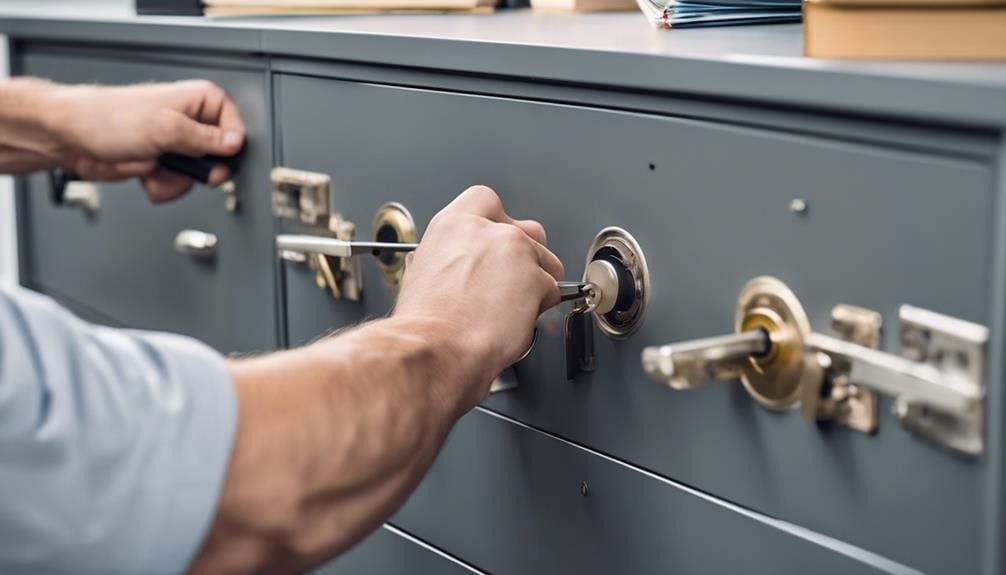
Misaligned drawers or internal components can prevent the lock from functioning properly. Open the cabinet (if possible) and inspect the locking bar, cam, and strike plate. Ensure all parts are aligned and free from obstructions. Remove any items that may have shifted and blocked the locking mechanism.
4. Test the Locking Bar and Cam
If the lock cylinder spins freely or the lock does not engage, the issue may lie with the internal locking bar or cam. These parts can become disconnected or damaged over time. Gently wiggle the lock while attempting to lock or unlock the cabinet. If you feel no resistance, internal repairs may be necessary. For forced entry or visible damage, consult the damaged file cabinet lock solutions page for repair strategies.
5. Evaluate for Forced Entry or Tampering
Signs of forced entry—such as scratches, dents, or bent components—can indicate that the lock has been compromised. In such cases, it’s crucial to address both the lock and the cabinet’s structural integrity. If you suspect tampering, replacement may be safer than repair.
When to Replace or Repair Your File Cabinet Lock
Some lock problems can be resolved with simple adjustments, while others require more extensive repairs or replacement. Consider the following:
- Repair: Minor issues like sticky keys, minor misalignment, or light debris can often be fixed with cleaning and lubrication.
- Replace: If the lock is severely damaged, the key is broken inside, or internal components are worn beyond repair, replacement is the best option.
For a step-by-step replacement process, refer to this guide to replacing a filing cabinet lock for clear instructions and safety tips.
Preventative Maintenance for File Cabinet Locks
Regular maintenance can extend the lifespan of your file cabinet lock and prevent unexpected failures. Here are some best practices:
- Clean the lock and keyhole periodically to remove dust and debris.
- Lubricate the mechanism with graphite or a lock-specific lubricant every six months.
- Check for loose screws or misaligned parts and tighten as needed.
- Avoid overloading drawers, which can strain the locking bar and cause misalignment.
- Use only the original or properly cut duplicate keys to avoid damaging the pins.
Special Considerations for Different Cabinet Types
The construction material of your file cabinet can influence both the type of lock and the troubleshooting process. Metal cabinets often use cam locks or plunger locks, while wooden units may have mortise or surface-mounted locks. For tailored advice, see the steel file cabinet lock fix and wooden file cabinet lock repair guides, which address unique challenges for each material.
Frequently Asked Questions
How can I remove a broken key from a file cabinet lock?
If a key breaks off inside the lock, use needle-nose pliers or a broken key extractor tool to gently pull out the fragment. Avoid using excessive force, as this can push the broken piece further in. If you’re unable to remove it, contact a professional locksmith for assistance.
What should I do if my file cabinet lock spins but doesn’t lock?
This usually indicates a disconnected or damaged cam or locking bar. Open the cabinet (if possible) and inspect the internal mechanism. If the parts are broken or missing, replacement is likely necessary. For more details, review the why file cabinet locks stop working resource.
Are there universal replacement locks for file cabinets?
Many file cabinets use standard cam locks that can be replaced with universal models. However, always check the size, type, and mounting style before purchasing a replacement to ensure compatibility with your cabinet.
Conclusion
Addressing file cabinet lock problems promptly helps maintain security and keeps your workspace running smoothly. By following the diagnostic steps outlined in this file cabinet lock troubleshooting guide, you can resolve most common issues on your own. For persistent or complex problems, don’t hesitate to reach out to a professional locksmith for expert support.