


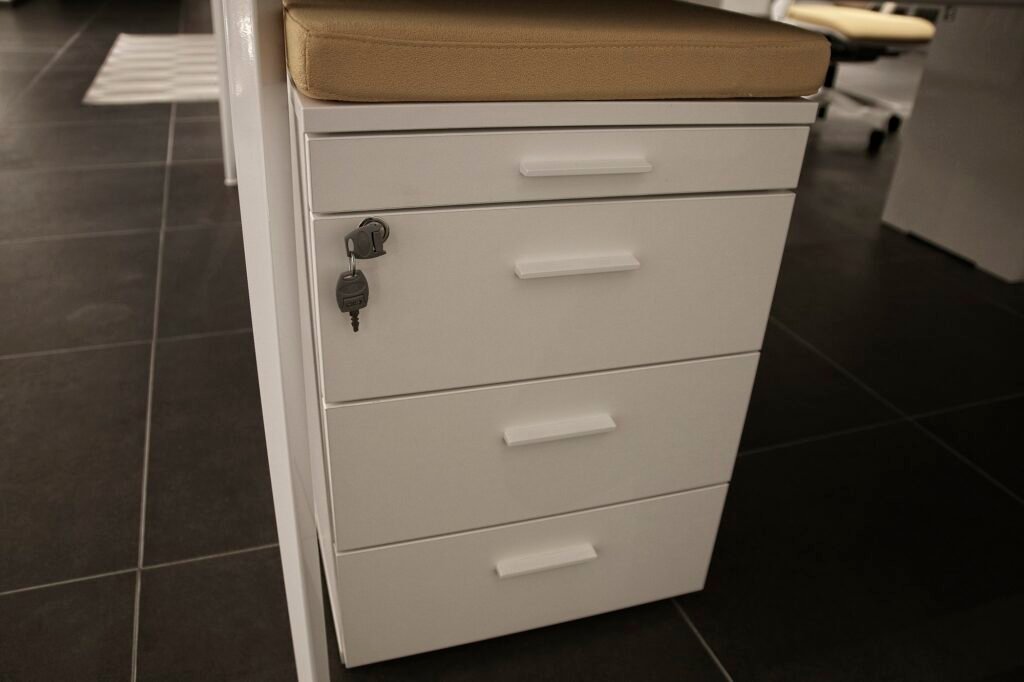
File cabinets are essential for organizing and securing important documents in offices, schools, and homes. However, many people encounter the frustrating situation where a file cabinet lock suddenly stops working. Understanding the underlying causes of these failures can help you prevent issues, extend the life of your cabinet, and know when to seek professional help. This article explores the most frequent mechanical problems that cause file cabinet locks to fail, how to recognize them, and practical steps you can take to address or avoid these issues.
Whether you’re dealing with a stuck lock, a key that won’t turn, or a cabinet drawer that refuses to open, knowing the reasons behind these malfunctions can save you time and stress. For those looking to strengthen their cabinet’s security or repair a faulty lock, resources like this anti theft file cabinet lock repair guide can be invaluable.
Recognizing the Signs of a Failing File Cabinet Lock
Before a lock completely fails, there are often warning signs that indicate trouble is brewing. Recognizing these early can help you take action before you’re locked out or your documents are left unsecured. Some common symptoms include:
- Difficulty turning the key or the key getting stuck in the lock.
- Loose or wobbly lock cylinders that move when touched.
- Drawers that won’t open or close fully even when unlocked.
- Unusual grinding or clicking noises when operating the lock.
- Keys that suddenly stop working or break off inside the lock.
If you notice any of these issues, it’s best to address them promptly. Sometimes, a simple fix can prevent a more serious failure down the line.
Common Mechanical Reasons File Cabinet Locks Fail
There are several mechanical reasons why file cabinet locks stop working. Understanding these can help you diagnose the problem and decide on the best course of action.
1. Worn or Damaged Keys
Over time, keys can become worn, bent, or damaged. When this happens, the key may no longer align properly with the lock’s internal pins or wafers, leading to difficulty turning the lock or complete failure. Using a duplicate key made from a worn original can also accelerate this problem.
2. Internal Component Wear and Tear
The internal mechanisms of a file cabinet lock—such as pins, springs, and wafers—are subject to wear with regular use. Dust, debris, and lack of lubrication can cause these parts to stick or seize up. In some cases, springs may break or lose tension, preventing the lock from engaging or disengaging properly.
3. Misaligned or Bent Lock Bars
Many file cabinets use a locking bar or rod system that secures multiple drawers at once. If the bar becomes bent, misaligned, or obstructed by debris, the lock may not function as intended. This can result in drawers that remain locked even when the key is turned or, conversely, drawers that won’t lock at all.
For specialized repairs, such as those involving vertical or lateral mechanisms, resources like the vertical file cabinet lock repair and lateral file cabinet lock repair guides can provide targeted solutions.

4. Broken or Jammed Lock Cylinders
Lock cylinders can break or jam due to excessive force, impact, or internal failure. When this occurs, the key may not insert fully, or the cylinder may spin freely without engaging the locking mechanism. Attempting to force the key can worsen the damage, making professional intervention necessary.
5. Foreign Objects and Debris
Small objects, paper clips, or even paper debris can accidentally fall into the lock or drawer tracks, causing jams. Dust and grime buildup inside the lock can also impede smooth operation. Regular cleaning and maintenance can help prevent these issues.
6. Improper Installation or Alignment
If a file cabinet lock is not installed correctly, or if the cabinet itself becomes warped or misaligned, the locking components may not engage as designed. This is especially common in older or heavily used cabinets. Checking for loose screws, warped metal, or misaligned drawers can help identify these problems.
How to Troubleshoot and Fix Common Lock Problems
When a file cabinet lock stops functioning, a systematic approach can help you pinpoint and resolve the issue. Here are some practical steps:
- Inspect the key for signs of wear, bending, or damage. Try a spare key if available.
- Lubricate the lock with a graphite-based lubricant (avoid oil-based products that attract dust).
- Check for obstructions in the lock cylinder and drawer tracks. Remove any visible debris.
- Examine the locking bar or rod for bends or misalignment. Gently realign if possible.
- Tighten loose screws on the lock housing and cabinet frame.
- If the lock remains stuck, avoid forcing the key—this can cause further damage.
If these steps do not resolve the problem, it may be time to consult a professional locksmith. For more complex repairs, such as fixing locking bars or replacing cylinders, detailed resources like the office cabinet lock repair guide can offer step-by-step instructions.

When to Call a Professional Locksmith
While many minor issues can be resolved with basic troubleshooting, some situations require expert assistance. If you encounter any of the following, it’s best to contact a locksmith:
- The key breaks off inside the lock and cannot be removed.
- The lock cylinder spins freely or is visibly damaged.
- Multiple drawers remain locked despite the key turning.
- You suspect internal component failure or broken locking bars.
Attempting to force open a jammed file cabinet can cause permanent damage to both the lock and the cabinet itself. A professional can safely open the cabinet, repair or replace the lock, and ensure your documents remain secure. If you’re facing a particularly stubborn lock, you might find helpful advice in this discussion on opening a locked file cabinet.
Preventing File Cabinet Lock Failures
Routine maintenance and proper use can greatly reduce the risk of lock malfunctions. Here are some tips to keep your file cabinet locks in good working order:
- Use the correct key and avoid forcing it if it doesn’t turn easily.
- Clean and lubricate the lock mechanism periodically to prevent dust buildup.
- Inspect the lock and cabinet for signs of wear, rust, or misalignment.
- Replace worn keys before they cause damage to the lock.
- Train staff or users on proper operation to avoid accidental damage.
For ongoing issues or to upgrade your cabinet’s security, consider consulting a locksmith who specializes in drawer lock repair office furniture solutions.
Frequently Asked Questions
What should I do if my file cabinet key won’t turn?
If your key won’t turn, first check for visible damage to the key or lock. Try a spare key if you have one. Lubricate the lock with a graphite-based product and gently wiggle the key. If the lock remains stuck, avoid forcing it and consult a locksmith to prevent further damage.
Can I repair a file cabinet lock myself?
Simple issues like cleaning the lock or tightening loose screws can often be handled on your own. However, if the lock is jammed, the cylinder is damaged, or the locking bar is bent, it’s safer to call a professional. Attempting complex repairs without the right tools or experience can worsen the problem.
How can I prevent my file cabinet lock from failing?
Regular maintenance is key. Clean and lubricate the lock, use the correct key, and avoid forcing the mechanism. Periodically inspect the cabinet for signs of wear or misalignment. Address minor issues promptly to prevent them from escalating into major failures.