


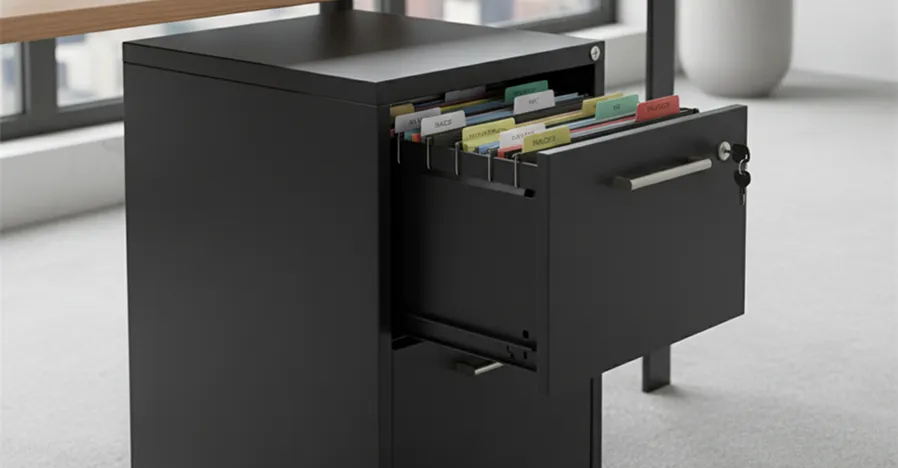
Vertical file cabinets are essential for secure document storage in offices, schools, and homes. Over time, the locking mechanisms—especially the rods and bars that run inside the cabinet—can develop issues that compromise security or make drawers difficult to open and close. Understanding the basics of vertical file cabinet lock repair is crucial for anyone responsible for maintaining these storage units. This guide covers common problems, step-by-step repair instructions, and tips for keeping your cabinet locks in optimal condition.
Whether you’re dealing with a stuck drawer, a loose lock, or a rod that won’t engage, addressing these issues promptly helps protect sensitive information and extends the life of your cabinet. If you’re considering upgrading your cabinet’s security, you may also want to explore the best file cabinet locks for security to ensure your documents remain safe.
How Vertical File Cabinet Locks Work
To tackle vertical file cabinet lock repair effectively, it’s important to understand the mechanism. Most vertical file cabinets use a cam lock connected to a system of rods or bars. When you turn the key, the cam rotates and moves the rods vertically. These rods slide into slots at the top and bottom of the cabinet, locking all drawers at once. If any part of this system fails—such as a bent rod, worn cam, or misaligned bar—the lock may not function properly.
Common symptoms of rod and bar issues include drawers that won’t lock, keys that turn without engaging the mechanism, or drawers that are stuck shut. Identifying the specific component at fault is the first step in resolving the problem.
Diagnosing Rod and Bar Problems in File Cabinet Locks
Before attempting repairs, inspect the cabinet thoroughly. Open all accessible drawers and observe how the locking mechanism operates. Look for these signs:
- Loose or disconnected rods: If the lock turns but doesn’t secure the drawers, a rod may have come loose from its bracket or cam.
- Bent or jammed bars: Difficulty opening or closing drawers can indicate a bent rod or bar obstructing movement.
- Worn or stripped cam: If the key turns freely with no resistance, the cam may be stripped or disconnected from the rods.
For more information on compatible parts and upgrades, see this resource on file cabinet lock brand compatibility.

Step-by-Step Guide to Fixing Rod and Bar Lock Mechanisms
Once you’ve identified the issue, follow these steps for a successful vertical file cabinet lock repair focused on rods and bars:
- Empty the drawers: Remove all contents to make the cabinet lighter and easier to handle.
- Remove the drawers: Most vertical file cabinets allow you to fully extend and lift drawers out of the tracks. This exposes the internal locking mechanism.
- Inspect the rods and bars: Look for bends, breaks, or disconnected parts. Straighten bent rods gently using pliers. If a rod is broken, it may need to be replaced.
- Check the cam and lock cylinder: Ensure the cam is securely attached to the lock cylinder and that it moves the rods when turned. Tighten any loose screws or replace stripped components.
- Reconnect or replace parts: If a rod has slipped out of its bracket, guide it back into place. For missing or damaged parts, consult a universal file cabinet lock replacement guide to find suitable replacements.
- Test the mechanism: Reinstall the drawers and test the lock with the key. Make sure all drawers lock and unlock smoothly.
For a detailed walkthrough on replacing file cabinet locks, refer to this step-by-step file cabinet lock replacement guide.
Preventative Maintenance for Cabinet Lock Rods and Bars
Regular maintenance can prevent many common issues with rods and bars in vertical file cabinets. Here are some practical tips:
- Lubricate moving parts: Use a silicone-based lubricant on rods, cams, and locking bars to reduce friction and wear.
- Check alignment: Periodically inspect the rods and bars to ensure they are straight and properly seated in their brackets.
- Tighten screws and fasteners: Vibrations from daily use can loosen screws over time. Tighten all fasteners during routine inspections.
- Replace worn components: If you notice excessive play or difficulty locking, replace worn cams, rods, or brackets promptly.
For guidance on selecting the right replacement parts, see the choosing file cabinet replacement lock article. To ensure a perfect fit, consult the file cabinet lock size guide before purchasing new hardware.
When to Call a Professional Locksmith
While many rod and bar issues can be handled with basic tools and patience, some situations require expert help. If the lock is severely damaged, the rods are inaccessible, or the cabinet is a high-security model, contacting a professional locksmith is the safest option. Locksmiths have specialized tools and replacement parts for all major cabinet brands, ensuring a secure and lasting repair.
Additionally, if you’re unsure about the compatibility of replacement parts, a locksmith can recommend the best solution for your specific cabinet model. Many locksmiths offer 24/7 emergency services for urgent repairs, minimizing downtime and keeping your documents secure.
Frequently Asked Questions
How do I know if the rods or bars in my file cabinet lock are damaged?
Signs of rod or bar damage include drawers that won’t lock, keys that turn without engaging the lock, or drawers that are stuck. Visual inspection after removing the drawers will reveal bent, broken, or disconnected rods and bars.
Can I replace just the rods or bars without changing the entire lock?
Yes, in many cases you can replace only the damaged rods or bars. Replacement parts are available for most cabinet models. Ensure the new parts match the original size and shape for proper function.
What tools are needed for repairing vertical file cabinet lock rods and bars?
Basic tools such as screwdrivers, pliers, and a flashlight are usually sufficient. For more complex repairs, you may need a replacement cam or rod, which can be sourced from hardware suppliers or locksmiths.