Choosing the right lock for your file cabinet is essential for both security and convenience. Whether you’re replacing a broken lock, upgrading to a more secure model, or outfitting a new cabinet, understanding the correct sizing is crucial. This file cabinet lock size guide will walk you through the process of measuring and selecting the perfect fit, ensuring your documents stay protected and your cabinet functions smoothly.
Many people overlook the importance of precise measurements when it comes to cabinet locks. However, a lock that’s too small or too large can lead to security vulnerabilities or installation headaches. By following the steps outlined here, you’ll avoid common pitfalls and make an informed decision. If you’re considering more advanced solutions, you might also be interested in high security file cabinet lock replacement options for added peace of mind.
Why Proper Lock Sizing Matters for File Cabinets
Getting the right size lock is more than just a matter of fit—it’s about ensuring security and ease of use. An ill-fitting lock can leave your cabinet vulnerable to tampering or make it difficult to open and close drawers. In some cases, the wrong size may even damage your cabinet or the lock itself, leading to costly repairs or replacements.
Precise measurements are especially important if you’re upgrading your lock system or switching to a different style, such as moving from a standard cam lock to an electronic or high-security model. Knowing exactly what you need helps you avoid compatibility issues and ensures a smooth installation process.
Understanding File Cabinet Lock Types and Their Dimensions
Before you start measuring, it’s helpful to know the most common types of locks used in file cabinets:
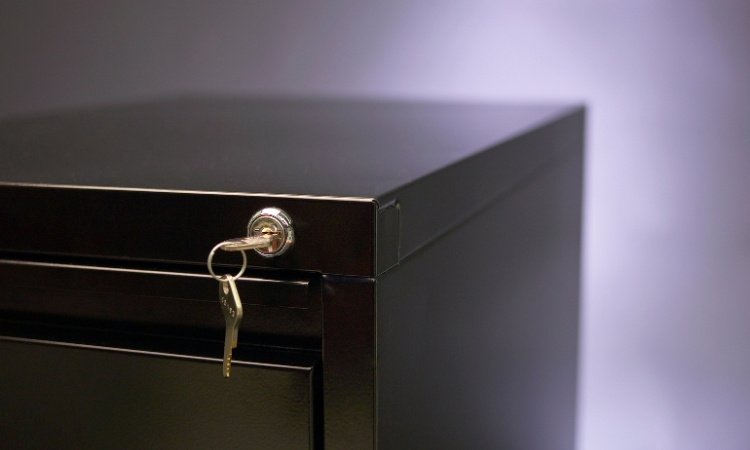
- Cam Locks: The most widely used option, these are cylindrical locks that secure the cabinet by rotating a metal cam.
- Plunger Locks: Often found on vertical file cabinets, these locks engage with a push or pull motion.
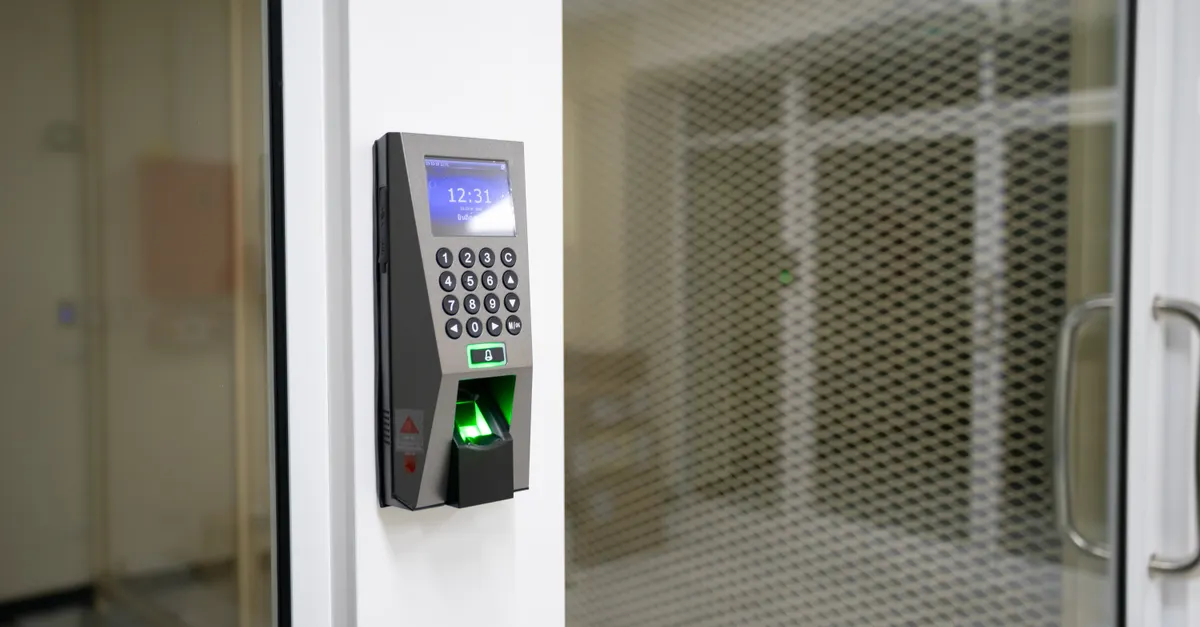
- Electronic Locks: Modern cabinets may use keypad or RFID-based locks for added convenience and security.
Each lock type has its own sizing standards, but the most critical dimension is usually the cylinder length (sometimes called barrel or body length). Other important measurements include the diameter of the lock body and the size of the mounting hole.
Step-by-Step: Measuring for the Right File Cabinet Lock
Accurate measurements are the foundation of a successful lock replacement or upgrade. Here’s how to measure your cabinet for a new lock:
- Remove the Existing Lock (if present): If your cabinet already has a lock, remove it carefully. This will give you direct access to the mounting hole and help you measure more accurately.
- Measure Cylinder Length: Use a ruler or caliper to measure the length of the lock cylinder from the front face (where the key enters) to the end of the body. Common sizes include 5/8″, 7/8″, 1-1/8″, and 1-3/8″.
- Check the Diameter: Most file cabinet locks have a standard diameter, often 3/4″ (about 19mm), but it’s always best to confirm. Measure the width of the cylinder to ensure compatibility.
- Measure the Mounting Hole: The hole in the cabinet where the lock fits should match the diameter of your new lock. If the hole is too large or too small, you may need an adapter or a different lock size.
- Assess Cam or Latch Length: For cam locks, measure the length of the cam (the metal piece that rotates to lock/unlock). The cam must reach the cabinet frame or latch point without being too long or short.
Document all your measurements before shopping for a replacement. If you’re unsure about any step, consider consulting a locksmith or referring to the manufacturer’s specifications.
Common File Cabinet Lock Sizes and Compatibility
While there is some standardization in the industry, file cabinet locks come in a variety of sizes. Here are the most frequently encountered dimensions:
| Lock Type | Cylinder Length | Diameter | Typical Use |
|---|---|---|---|
| Standard Cam Lock | 5/8″, 7/8″, 1-1/8″, 1-3/8″ | 3/4″ | Metal file cabinets, desks |
| Plunger Lock | Varies | Varies | Vertical file cabinets |
| Electronic Lock | Varies | Varies | Modern office cabinets |
Always compare your measurements to the specifications provided by the lock manufacturer. If your cabinet is older or custom-built, you may need to look for specialty sizes or retrofit kits.
Tips for Selecting and Installing the Best Lock for Your Cabinet
Once you’ve gathered your measurements, keep these tips in mind to ensure a successful installation:
- Double-check compatibility: Match both the cylinder length and diameter to your cabinet’s requirements.
- Consider security needs: If you store sensitive documents, look into upgrading your file cabinet lock system to a more secure or modern option.
- Follow manufacturer instructions: Each lock may have unique installation steps. Read the included guide carefully to avoid damaging your cabinet.
- Test before finalizing: Before fully securing the lock, test the mechanism to ensure smooth operation and proper alignment.
- Keep spare keys: Store backup keys in a safe place to avoid lockouts. If you manage multiple cabinets, you might benefit from a file cabinet master key system repair or upgrade.
If you encounter stubborn or damaged locks, professional help may be needed. For creative solutions to access locked cabinets, see these file cabinet lock pick alternatives.
When to Replace or Upgrade Your File Cabinet Lock
There are several situations where it makes sense to replace or upgrade your lock:
- The lock is broken, jammed, or no longer turns smoothly.
- You’ve lost all keys and need to regain access.
- You want to improve security with a more robust or modern locking mechanism.
- The existing lock is incompatible with your organization’s key system.
For a breakdown of expenses, check out the cost to repair a file cabinet lock so you can budget accordingly. If you’re facing a lockout, you might also find it helpful to read about methods for opening a locked file cabinet in emergencies, but always prioritize legal and ethical solutions.
Frequently Asked Questions
How do I know which size lock fits my file cabinet?
Measure the cylinder length and diameter of your current lock or the mounting hole in your cabinet. Compare these measurements to the specifications of available replacement locks. If you’re unsure, consult the cabinet’s manufacturer or a locksmith for guidance.
Can I install a high-security lock on an older file cabinet?
Yes, many older cabinets can be retrofitted with high-security or electronic locks. However, you may need to modify the mounting hole or use an adapter. Always check compatibility before purchasing a new lock.
What should I do if my lock size doesn’t match standard options?
If your measurements don’t align with common sizes, look for specialty locks or retrofit kits. In some cases, a locksmith can modify your cabinet or recommend a custom solution to ensure a secure fit.