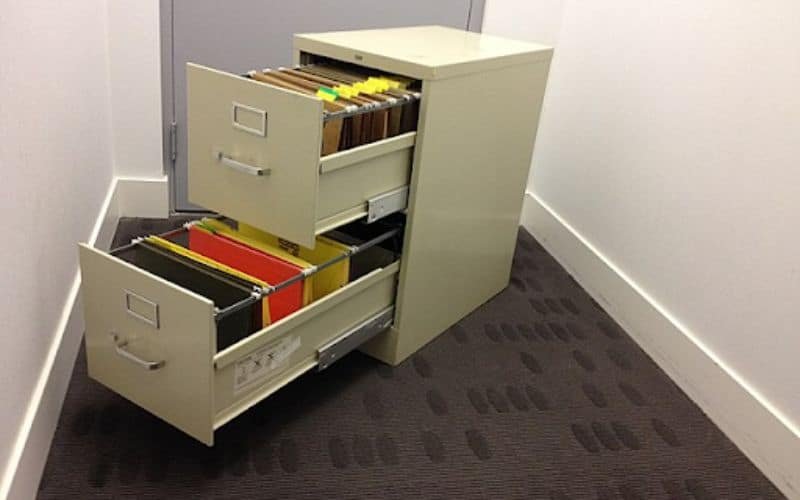
Getting locked out of a file cabinet can be frustrating, especially when you need urgent access to important documents. While lock picking is a common method, it’s not always practical or possible for everyone. Fortunately, there are several file cabinet lock pick alternatives that can help you regain entry without causing unnecessary damage or requiring specialized tools. This article explores practical and creative solutions, safety considerations, and when it’s best to seek professional help.
If you’re interested in more detailed step-by-step instructions for unlocking cabinets without a key, you may also want to check out our guide on how to unlock file cabinet without key for additional safe entry methods.
Understanding File Cabinet Locks and Common Issues
Before trying any alternative access methods, it’s helpful to understand the basic types of locks found on file cabinets. Most office and home cabinets use wafer tumbler locks, cam locks, or tubular locks. These mechanisms are designed for basic security but can sometimes jam, wear out, or become misaligned, making even the correct key ineffective.
Common issues include:
- Lost or misplaced keys
- Broken keys inside the lock
- Worn-out or damaged lock mechanisms
- Misaligned drawers preventing unlocking
Knowing the type of lock and the nature of the problem can help you choose the most suitable workaround.
Non-Picking Methods to Open a Locked File Cabinet
There are several safe and practical file cabinet lock pick alternatives you can try before resorting to destructive methods or calling a locksmith. Here are some of the most effective approaches:
1. Using a Spare or Master Key
Many office file cabinets are keyed alike, meaning a master key or spare from another cabinet of the same make and model might work. Check with your office manager, building maintenance, or previous cabinet owner to see if a compatible key is available.
2. Manipulating the Lock with a Paperclip or Binder Clip
For simple wafer locks, a sturdy paperclip or binder clip can sometimes be used to gently move the wafers inside the lock. Straighten the paperclip, insert it into the keyway, and wiggle it while applying gentle turning pressure. This method requires patience and a delicate touch, but it’s a non-destructive way to attempt access.
3. Sliding Tools Between Drawers
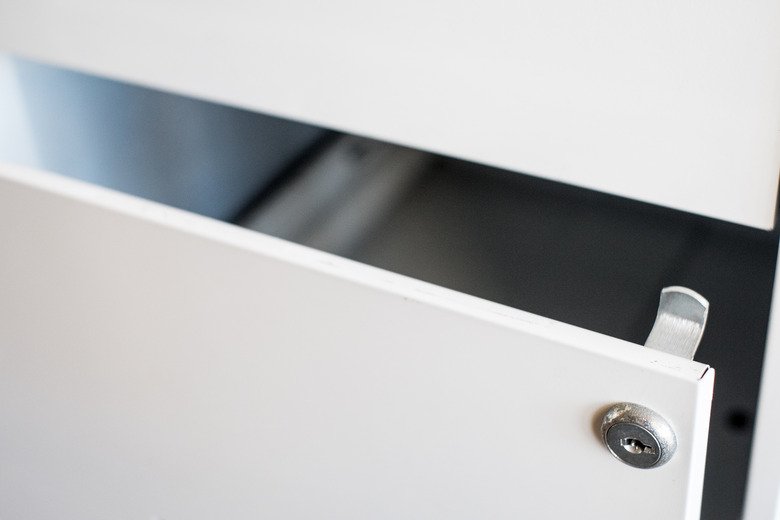
Some cabinets have a locking bar that secures all drawers. If there’s a gap above or below the locked drawer, you may be able to slide a thin, rigid tool (such as a metal ruler or putty knife) to disengage the locking mechanism. Insert the tool carefully and feel for the locking bar, then gently push or lift it to release the drawer.
4. Removing the Lock Cylinder
If you have access to the back of the lock (for example, by removing a drawer above or below), you may be able to unscrew or unclip the lock cylinder. Once removed, the cabinet can usually be opened without further effort. This method is especially useful if the lock is damaged or jammed.
5. Drilling as a Last Resort
Drilling should only be considered if all other options fail and you absolutely need access. Use a drill bit slightly smaller than the lock cylinder and drill straight into the keyway. This will destroy the lock, so be prepared to replace it afterward. Always wear safety goggles and take precautions to avoid damaging the cabinet itself.
For more information on repairing or replacing a damaged lock, see our detailed guide on cost to repair file cabinet lock for pricing and estimates.
Creative and Safe Approaches for Gaining Entry
Sometimes, a bit of creativity can help you regain access without specialized tools. Here are a few additional ideas:
- Check for Hidden Release Levers: Some cabinets have emergency release levers or hidden latches inside the top drawer or at the back. Consult the manufacturer’s manual or look for online diagrams.
- Use a Plastic Shim: A sturdy plastic card (like an old gift card) can sometimes be slipped between the drawer and the frame to push back the locking bolt.
- Remove Drawer Rails: If you can access the screws or clips holding the drawer rails, removing them may allow you to slide the drawer out and reach the locking mechanism from the inside.
Always proceed with caution and avoid using excessive force, as this can cause permanent damage to the cabinet or its contents.
When to Call a Professional Locksmith
If you’ve tried several file cabinet lock pick alternatives without success, or if you’re concerned about damaging the cabinet, it’s wise to contact a locksmith. Professionals have the right tools and experience to open most locks quickly and without harm. They can also repair or replace faulty mechanisms on the spot.
For those seeking local help, our resource on file cabinet lock repair near me can help you find trusted experts in your area.
Additionally, if your cabinet is part of a larger office security system, it’s important to maintain the integrity of your locks. For more on keeping your workspace secure, see our article on filing cabinet security repair solutions.
Preventing Future Lockouts
Once you’ve regained access, take steps to avoid future lockouts:
- Keep a spare key in a secure location
- Label keys clearly to avoid confusion
- Regularly lubricate and maintain locks
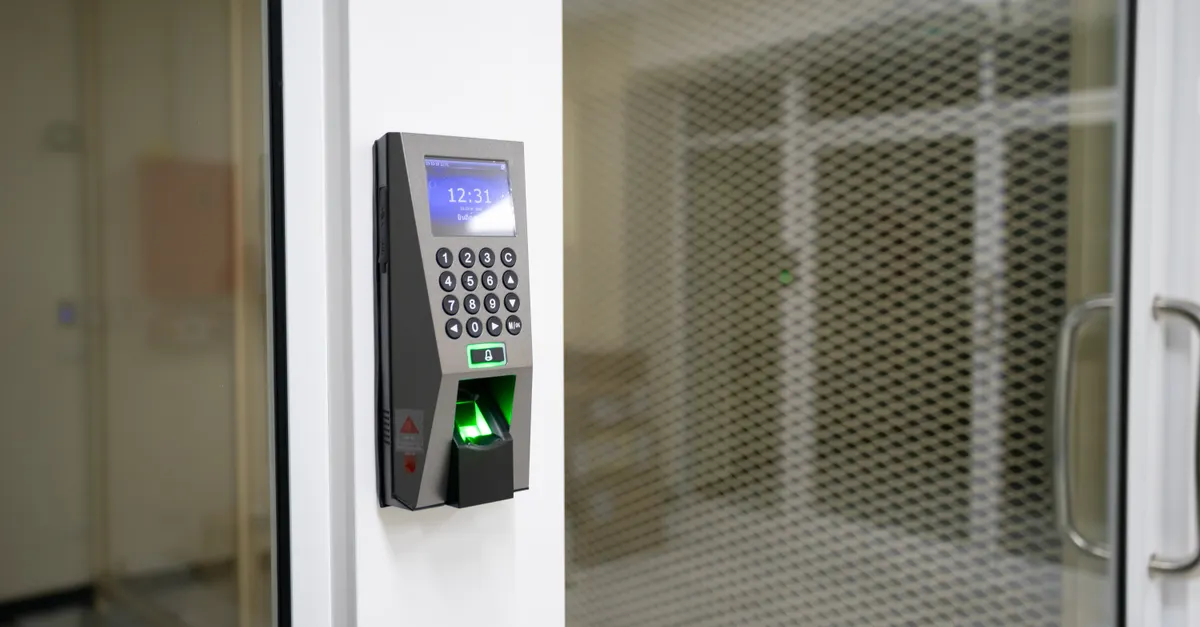
- Consider upgrading to digital or combination locks for easier management
If you need ongoing support for your office furniture, our office furniture lock repair service provides expert care for all types of workspace security needs.
Additional Resources and Safety Tips
Always prioritize safety when attempting any non-standard entry methods. Avoid using excessive force or sharp tools that could cause injury or damage. If you’re unsure about any step, consult a professional or refer to reputable guides, such as this DIY guide to repairing a broken filing cabinet lock for more detailed instructions.
Frequently Asked Questions
What is the safest way to open a locked file cabinet without a key?
The safest approach is to use a spare or master key, or gently manipulate the lock with a paperclip or similar tool. Avoid using force or drilling unless absolutely necessary, and consider calling a locksmith if you’re unsure.
Can I damage my cabinet by trying alternative entry methods?
Some methods, like drilling or forcing the lock, can cause permanent damage. Non-destructive techniques, such as using a plastic shim or accessing the lock from the back, are less likely to harm the cabinet. Always proceed with caution and stop if you encounter resistance.
How can I prevent getting locked out of my file cabinet in the future?
Keep spare keys in a secure place, label them clearly, and maintain your locks regularly. Upgrading to a digital or combination lock can also reduce the risk of lockouts.