Starting a licensed locksmith business can be a rewarding venture for those interested in security, problem-solving, and hands-on technical work. The locksmith industry continues to grow as both residential and commercial clients seek reliable professionals to secure their properties. However, launching a successful operation requires more than just technical know-how. This guide walks you through the essential steps, from legal requirements and licensing to marketing and service diversification, ensuring you build a strong foundation for your new enterprise.
Before diving into the details, it’s important to understand that compliance, insurance, and ongoing education are critical for long-term success. For those looking to streamline claims and protect their investment, consider reviewing the licensed locksmith insurance claim assistance resource for valuable insights.

Understanding Licensing and Legal Requirements
One of the first steps in establishing a licensed locksmith business is understanding and meeting all legal obligations. Most states require locksmiths to obtain a specific license, which typically involves background checks, fingerprinting, and sometimes passing a professional exam. Research your state’s regulations through the appropriate government website or local licensing board.
In addition to state licensing, you may need a general business license, a sales tax permit, and possibly a contractor’s license if you plan to work on large-scale commercial projects. It’s also wise to register your business entity (LLC, corporation, or sole proprietorship) to protect your personal assets and establish credibility with clients.
Essential Tools and Equipment for New Locksmiths
Investing in the right tools is crucial for delivering quality service. A typical locksmith’s toolkit includes lock picks, key cutters, rekeying kits, tension wrenches, and specialized tools for automotive, commercial, and residential locks. As your business grows, you may need to purchase advanced equipment such as code machines, transponder programming devices, and safe-cracking tools.
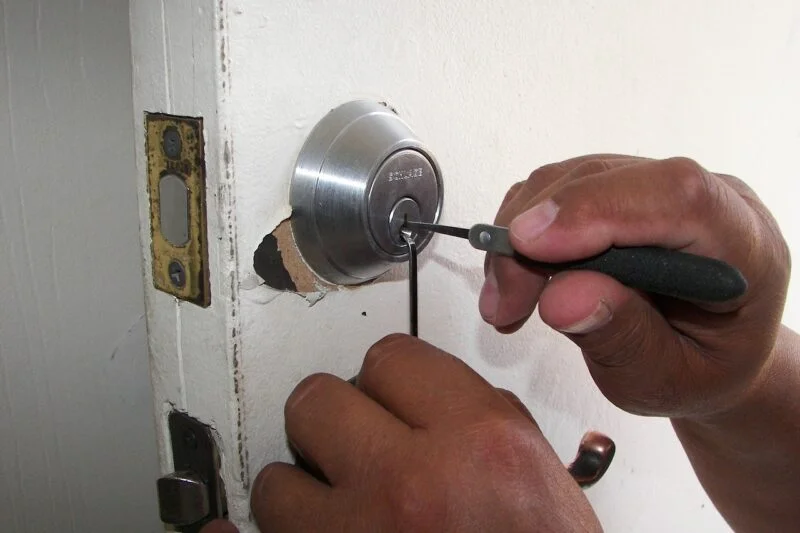
When purchasing equipment, prioritize quality and reliability. Cheap or substandard tools can lead to mistakes, damage, or even safety hazards. Many suppliers offer starter kits tailored for new locksmiths, which can be a cost-effective way to get up and running.
Developing a Business Plan and Service Offerings
A well-crafted business plan is the backbone of any successful startup. Define your target market—residential, commercial, automotive, or a combination—and outline your core services. Common offerings include lock installation, rekeying, emergency lockout assistance, safe servicing, and security consultations.
Consider specializing in high-demand areas such as electronic access control, smart locks, or high-security cylinder installation. For a comprehensive approach to advanced security, review the licensed locksmith high security cylinder installation guide for best practices.
Pricing strategies should reflect your expertise, local competition, and the value you provide. Be transparent with customers about fees for emergency services, after-hours calls, and specialized work.
Insurance, Bonding, and Risk Management
Protecting your business and clients is non-negotiable. Most clients, especially commercial accounts, will require proof of insurance and bonding before hiring a locksmith. General liability insurance covers property damage or injury, while bonding provides financial protection in case of theft or fraud.
Additional coverage, such as commercial auto insurance and workers’ compensation, may be necessary as your team grows. Regularly review your policies to ensure adequate protection as your services expand.
Marketing Your Locksmith Services
Building a strong local reputation is key to attracting clients. Start by creating a professional website with clear information about your services, service area, and contact details. Optimize your site for local search terms, such as “licensed locksmith near me” or “emergency lockout help.”

Leverage online directories, Google Business Profile, and social media platforms to reach potential customers. Encourage satisfied clients to leave reviews and testimonials, which can significantly boost your credibility. Networking with property managers, realtors, and local businesses can also generate valuable referrals.
For those interested in expanding their service portfolio, offering licensed locksmith security consultation checklist services can position your business as a trusted security advisor.
Emergency Services and Customer Expectations
Many locksmiths find that emergency services—such as lockouts, break-in repairs, and urgent rekeying—make up a significant portion of their business. Being available 24/7 or during extended hours can set you apart from competitors. However, it’s essential to communicate response times and pricing clearly to avoid misunderstandings.
For more information on handling urgent situations, you can refer to resources like emergency locksmith service procedures to ensure your team is prepared for any scenario.
Staying Compliant and Up to Date with Industry Standards
The locksmith industry is constantly evolving, with new technologies and security standards emerging regularly. Stay current by attending industry workshops, joining professional associations, and pursuing continuing education. Understanding licensed locksmith lock grade standards can help you recommend the right products and solutions to your clients.
Compliance isn’t just about licensing—it also involves ethical practices, data protection, and customer confidentiality. Building trust through professionalism and transparency will help your business thrive in a competitive market.
Frequently Asked Questions
What are the main steps to legally start a locksmith business?
You’ll need to research your state’s licensing requirements, complete any necessary background checks or exams, register your business entity, and obtain the appropriate insurance and bonding. It’s also important to secure a general business license and any local permits required for operation.
How much does it cost to start a locksmith business?
Startup costs vary depending on location and specialization, but you should budget for licensing fees, insurance, bonding, tools, equipment, and initial marketing. Many new locksmiths can get started with a few thousand dollars, but investing in quality tools and a professional website can increase your upfront expenses.
Is ongoing training necessary for locksmiths?
Yes, ongoing education is essential. New lock technologies, security standards, and legal requirements emerge regularly. Staying updated through workshops, certifications, and industry associations ensures you remain competitive and compliant.
Conclusion
Launching a locksmith business requires careful planning, legal compliance, and a commitment to quality service. By investing in the right tools, securing proper licensing and insurance, and building a solid marketing strategy, you can establish a trusted presence in your community. Stay informed about industry trends and prioritize customer satisfaction to ensure long-term success in this dynamic field.