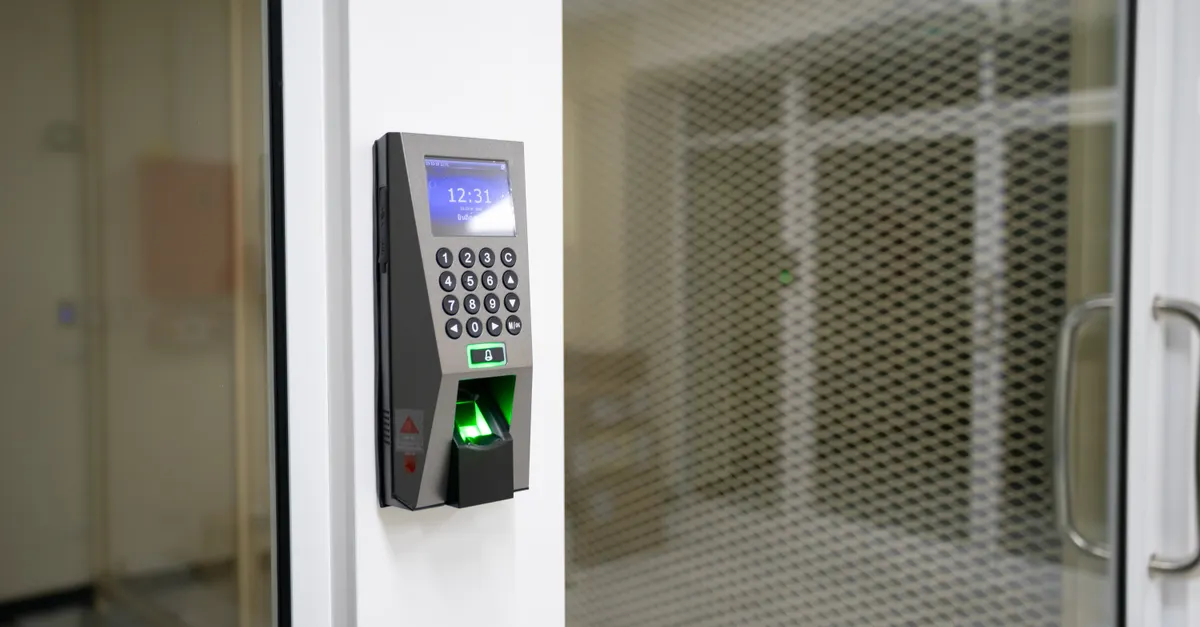
Ensuring the safety of your property starts with a thorough evaluation of your current locks, entry points, and overall security measures. A licensed locksmith security consultation checklist is an essential tool for homeowners, business owners, and property managers who want to identify vulnerabilities and make informed decisions about upgrades or repairs. This guide walks you through the key steps and considerations when working with a professional locksmith to assess and improve your security setup.
Before diving into the details, it’s worth noting that consulting a qualified professional is not just about changing locks—it’s about understanding the full spectrum of risks and solutions available. If you’re interested in advanced protection, you may also want to explore licensed locksmith high security cylinder installation for added peace of mind.
Why Work With a Licensed Locksmith for Security Assessments?
Not all locksmiths are created equal. Choosing a licensed locksmith ensures that you are working with someone who meets state or local regulatory requirements, has undergone background checks, and possesses the necessary training. This is crucial for both your safety and the integrity of your security system.
For a deeper understanding of what sets licensed, insured, and bonded professionals apart, consider reviewing this comprehensive explanation of locksmith credentials.
Key Elements of a Locksmith Security Review
A comprehensive security consultation covers more than just door locks. The checklist below outlines the main areas a professional will evaluate to ensure your property is protected against unauthorized access and other threats.
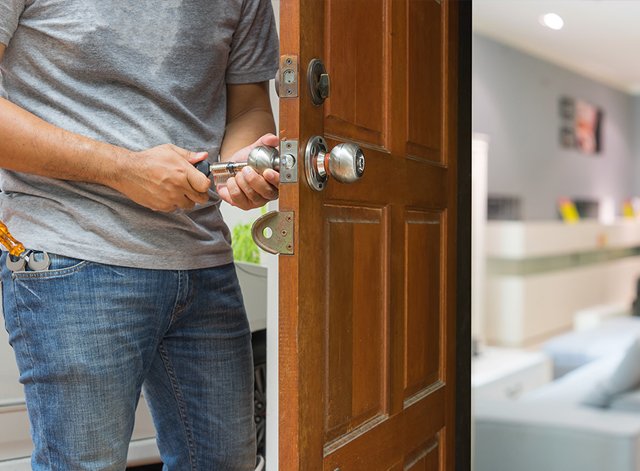
1. Entry Points and Perimeter Security
- Inspect all exterior doors for solid construction and proper fit in the frame.
- Check for gaps, weak hinges, or signs of forced entry.
- Evaluate the condition and grade of deadbolts and latch mechanisms.
- Assess windows for secure locks and shatter-resistant glass where appropriate.
- Review garage doors, sliding doors, and basement entries for vulnerabilities.
2. Lock Hardware and Key Control
- Identify the type and grade of all installed locks (residential, commercial, or high-security).
- Check for outdated or easily bypassed locks.
- Recommend upgrades to ANSI/BHMA Grade 1 or 2 hardware where needed.
- Discuss the benefits of rekeying versus replacing locks after tenant turnover or employee changes.
- Evaluate master key systems and restricted keyways for businesses.
For more information on lock standards, refer to the licensed locksmith lock grade standards resource.
3. Electronic and Smart Security Solutions
- Assess the suitability of electronic access control systems for your needs.
- Review existing keypads, card readers, or biometric entry points for reliability and security.
- Recommend integration with alarm systems or video surveillance where appropriate.
- Advise on secure Wi-Fi protocols and firmware updates for smart locks.
If you are considering a move to digital access, the licensed locksmith electronic access control guide offers valuable insights.
Developing a Personalized Security Plan
Every property is unique, so a security consultation checklist should be tailored to your specific risks and requirements. During the assessment, your locksmith will:
- Discuss your daily routines and identify potential weak points based on usage patterns.
- Consider the value and accessibility of assets within the property.
- Review any recent incidents or threats in the neighborhood.
- Provide a written report with prioritized recommendations and estimated costs.
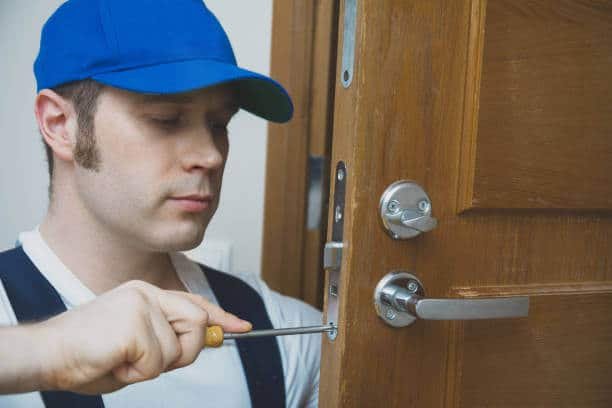
Common Recommendations From a Security Consultation
After a thorough review, a locksmith may suggest a range of improvements. Some of the most frequent recommendations include:
- Upgrading to high-security deadbolts or cylinders.
- Installing door reinforcement plates or strike boxes.
- Adding window locks or security film.
- Implementing electronic access or surveillance systems.
- Rekeying all locks after staff or tenant changes.
- Establishing a key management protocol for businesses.
For a broader overview of effective measures, the licensed locksmith security best practices guide is a helpful resource.
How to Prepare for a Locksmith Security Assessment
To make the most of your consultation, take the following steps before your locksmith arrives:
- Make a list of all entry points, including doors, windows, and secondary access areas.
- Gather any existing keys, codes, or access cards for review.
- Note any recent security incidents or concerns you want addressed.
- Be ready to discuss your budget and long-term security goals.
- Ask about ongoing maintenance or service agreements for installed systems.
Benefits of Using a Professional Security Checklist
Relying on a structured locksmith security consultation checklist offers several advantages:
- Ensures no critical area is overlooked during the assessment.
- Provides a clear roadmap for upgrades and budgeting.
- Helps prioritize improvements based on risk and impact.
- Documents your current security status for insurance or compliance purposes.
- Gives peace of mind knowing your property is protected by industry standards.
FAQ
What should I expect during a locksmith security consultation?
A licensed professional will inspect all entry points, evaluate the quality and condition of your locks, review key control procedures, and discuss your specific security needs. You’ll receive a detailed report with recommendations for improvements.
How often should I schedule a security assessment for my property?
It’s wise to have a review done every few years, after major renovations, or following any security incident. Businesses with frequent staff changes or high-value assets may benefit from more regular assessments.
Are electronic locks and access control systems worth the investment?
Electronic solutions can offer enhanced convenience and security, especially for businesses or multi-user properties. A locksmith can help you determine if these systems are appropriate for your situation and ensure they are installed correctly.