Understanding the regulations that govern locksmiths is essential for both property owners and professionals in the security industry. When locksmiths fail to comply with established codes, the consequences can affect safety, legal standing, and even insurance coverage. This guide offers a clear overview of common compliance issues, the importance of working with credentialed professionals, and what to do if you suspect improper practices.
For those interested in ongoing education and regulatory updates, the licensed locksmith continuing professional development resource provides valuable insights into maintaining high standards in the field.

Why Locksmith Licensing and Code Compliance Matter
Locksmiths play a critical role in property security. Licensing ensures that professionals meet specific training, background, and ethical standards. When locksmiths ignore or violate codes, it can lead to faulty installations, compromised safety, and even legal penalties for both the technician and the property owner.
Regulations vary by state and municipality, but most areas require locksmiths to hold a valid license, adhere to building and fire codes, and follow best practices for lock installation and repair. These requirements are designed to protect consumers and maintain the integrity of security systems.
Common Violations Among Licensed Locksmiths
Even credentialed professionals can sometimes fall short of compliance. Here are some frequent issues that arise:
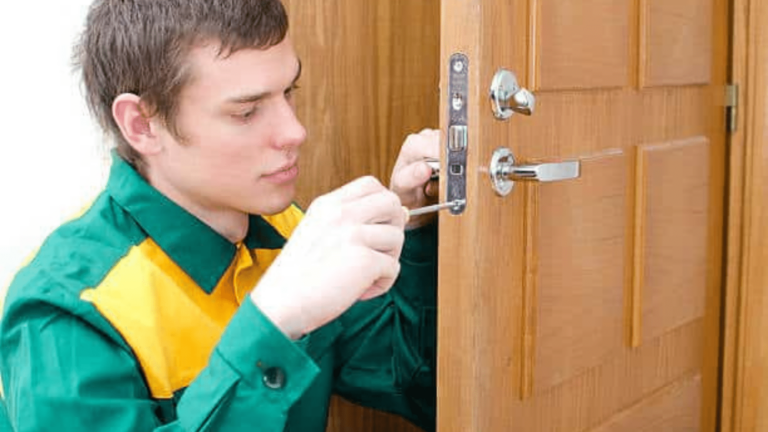
- Improper Lock Installation: Failing to follow manufacturer guidelines or local building codes can result in locks that are easy to bypass or that do not meet fire safety standards.
- Use of Non-Certified Hardware: Installing locks or security components that lack proper certification can violate code requirements and void warranties.
- Neglecting Fire Code Requirements: Doors in commercial buildings often require specific types of locks or panic hardware. Ignoring these rules can lead to fines and increased liability.
- Failure to Verify Client Authorization: Ethical codes and some local laws require locksmiths to confirm that a person requesting entry or rekeying is authorized to do so. Skipping this step can have legal consequences.
- Incomplete Documentation: Proper record-keeping is often mandated by law, especially for high-security jobs or automotive work. Missing paperwork can result in compliance issues.
For a broader understanding of industry expectations, the licensed locksmith industry standards overview details the benchmarks professionals are expected to meet.
Legal and Financial Consequences of Code Violations
When a locksmith fails to comply with codes or regulations, the repercussions can be significant. Property owners may face fines or be required to redo work at their own expense. Locksmiths themselves risk losing their license, incurring penalties, or even facing criminal charges in severe cases.
Insurance claims may also be denied if work was performed out of compliance, leaving property owners financially vulnerable. For a detailed breakdown of potential penalties, refer to the licensed locksmith penalty for violations guide.

How to Identify and Avoid Locksmith Code Violations
The best way to prevent compliance issues is to work with reputable, credentialed professionals. Here are some steps to help you avoid problems:
- Verify Licensing: Always ask for proof of credentials. Many states provide online lookup tools, such as the licensed locksmith public database lookup, to confirm a professional’s status.
- Request Documentation: Ensure that all work is accompanied by proper invoices, warranties, and compliance certificates.
- Ask About Code Compliance: A trustworthy locksmith should be able to explain how their work meets local building and fire codes.
- Check Reviews and References: Look for feedback from previous customers to gauge reliability and adherence to standards.
- Stay Informed: Regulations can change. Keeping up with industry news and resources helps property owners and professionals remain compliant.
For a comparison of credentialed and non-credentialed professionals, see this detailed article on licensed versus unlicensed locksmiths.
What to Do If You Suspect a Violation
If you believe that a locksmith has not followed proper procedures or has violated local codes, act promptly:
- Document the Issue: Take photos, keep invoices, and note any conversations or observations.
- Contact the Locksmith: Give the professional an opportunity to address or correct the problem.
- Report to Authorities: If the issue is serious or unresolved, contact your local licensing board or consumer protection agency.
- Consult Legal Advice: In cases involving significant financial loss or safety risks, seek guidance from a qualified attorney.
For more information on the legal ramifications of non-compliance, the licensed locksmith legal consequences resource provides in-depth analysis.
Frequently Asked Questions
What are the most common code violations by locksmiths?
The most frequent issues include improper lock installation, use of uncertified hardware, neglecting fire safety requirements, and failing to verify client authorization. These problems can compromise both security and legal compliance.
How can I check if a locksmith is properly licensed?
Most states offer online databases where you can verify a professional’s credentials. Always ask for proof of licensing and check for current, valid documentation before hiring.
What should I do if I discover work that violates building or fire codes?
Start by documenting the issue and contacting the locksmith to request a correction. If the problem is not resolved, report the violation to local authorities or your state licensing board. In serious cases, consult with legal or insurance professionals for further guidance.