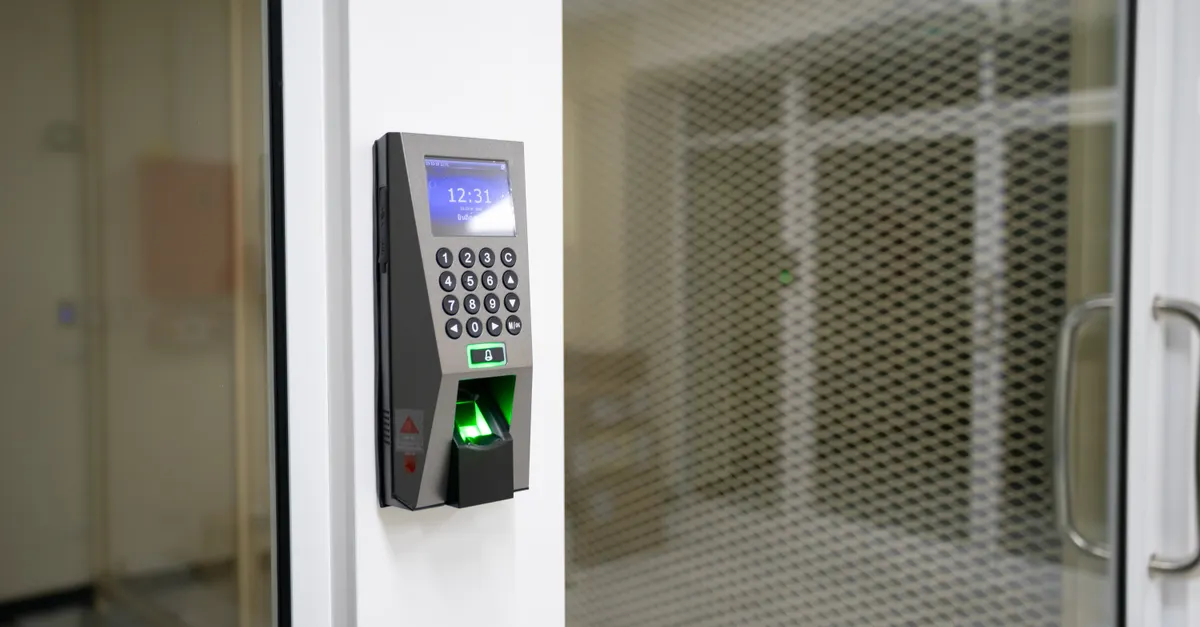
Security and trust are at the core of every professional locksmith service. When you need access to your property, vehicle, or business, it’s essential that only authorized individuals can request and receive locksmith assistance. That’s why the licensed locksmith customer verification process is a critical part of modern security protocols. This guide explains how reputable locksmiths confirm customer identity, why these steps matter, and what you can expect when requesting locksmith services.
Understanding the verification process not only protects property owners but also helps prevent unauthorized access and fraud. Whether you’re locked out, need a lock replaced, or require emergency assistance, knowing what’s involved in verifying your identity can streamline your experience and enhance your peace of mind.

For those interested in related security topics, you may also want to review the licensed locksmith restricted key agreement guide, which outlines how key control agreements work for added protection.
Why Customer Verification Is Essential for Locksmith Services
The primary goal of verifying a customer’s identity is to ensure that locksmith services are only provided to those with legitimate access rights. This step is not just a formality—it’s a legal and ethical obligation for licensed professionals. Without proper checks, there’s a risk of enabling break-ins, theft, or other security breaches.
- Prevents unauthorized access to homes, vehicles, and businesses
- Protects both the locksmith and the property owner from liability
- Ensures compliance with local laws and licensing requirements
- Builds trust between customers and service providers
Key Steps in the Locksmith Identity Verification Process
The customer verification process for locksmiths involves several steps designed to confirm that the person requesting service is entitled to access the property or vehicle in question. While procedures may vary slightly by company or jurisdiction, most reputable locksmiths follow a similar protocol.
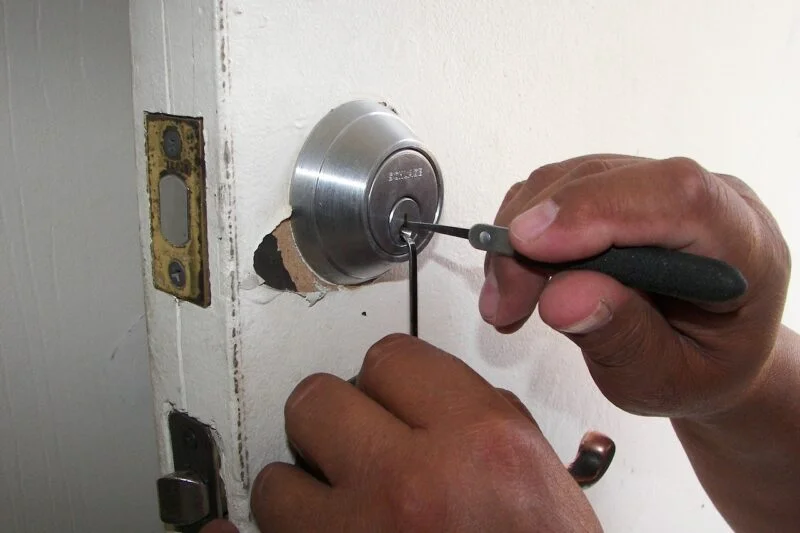
Initial Contact and Information Gathering
When you first contact a locksmith, you’ll typically be asked for basic details about your situation. This includes your name, the address or location where service is needed, and the type of lock or security issue you’re facing. Some companies may also request a callback number or other contact information.
Request for Proof of Ownership or Authorization
Before unlocking a door or providing access, locksmiths will ask for documentation that proves you have the right to enter the property. Common forms of proof include:
- Government-issued photo ID (driver’s license, passport, etc.)
- Utility bill or lease agreement with your name and address
- Vehicle registration or insurance for automotive services
- Written authorization from the property owner or manager (for tenants or employees)
If you’re unable to provide documentation on the spot—such as during a lockout—locksmiths may ask for alternative forms of verification or require you to present proof once access is granted.
On-Site Verification and Documentation
Upon arrival, the locksmith will inspect your identification and compare it with the service address or vehicle details. In some cases, they may take a photo of your ID or have you sign a service agreement. This documentation helps maintain a record of the transaction and provides an additional layer of accountability.
Common Challenges and How Locksmiths Address Them
There are situations where verifying a customer’s identity can be challenging. For example, if you’re locked out without your wallet or ID, or if you’re requesting service for a rental or company vehicle. Professional locksmiths are trained to handle these scenarios while still upholding security standards.
- No ID available: The locksmith may ask for alternative verification, such as confirming details with a neighbor, checking for mail with your name at the address, or contacting the property manager.
- Third-party requests: If someone other than the owner is requesting service, written or verbal authorization from the owner is usually required.
- After-hours or emergency situations: In urgent cases, locksmiths may provide access but will still require proof of ownership once the immediate need is resolved.
For more information on how locksmiths handle urgent situations, see this overview of emergency locksmith protocols.
What Customers Should Expect During Verification
Being prepared for the verification process used by licensed locksmiths can save time and reduce stress. Here’s what you can do to make the process smoother:
- Have your ID and any relevant documents ready before the locksmith arrives.
- Be prepared to answer questions about your relationship to the property or vehicle.
- Understand that these steps are for your protection and the security of your assets.
- Cooperate with any additional verification steps if you’re unable to provide standard documentation.
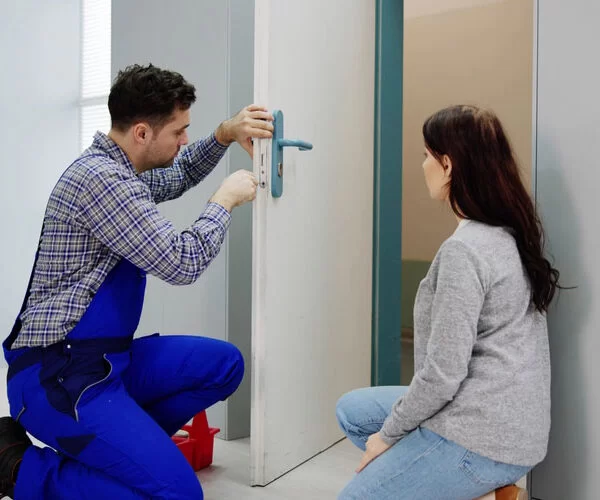
How Verification Protects You and Your Property
The customer verification process for locksmiths is not just about following rules—it’s a vital safeguard for everyone involved. By confirming identity and authorization, locksmiths help prevent unauthorized access, reduce the risk of theft or vandalism, and ensure that all services are provided ethically and legally.
This process also protects locksmiths from legal liability and helps maintain the reputation of the industry as a whole. Customers can feel confident knowing that their security is taken seriously and that only those with legitimate rights can access protected spaces.
Related Security Services and Further Reading
Many locksmiths offer a range of additional security services that also require strict verification protocols. If you’re interested in learning more about related topics, consider exploring these resources:
- licensed locksmith automotive security upgrades – Discover how professionals enhance vehicle security while ensuring proper authorization.
- licensed locksmith break in repair services – Learn about post-incident repairs and the importance of verifying property ownership.
- licensed locksmith door lock replacement – Understand the verification steps involved in replacing locks for homes and businesses.
- licensed locksmith vault services – Explore how vault access and servicing require rigorous identity checks.
Frequently Asked Questions
What if I don’t have my ID during a lockout?
If you’re locked out without identification, a locksmith may ask for alternative forms of verification, such as confirming your identity with a neighbor, showing mail addressed to you at the property, or contacting your landlord or property manager. In some cases, you may be granted access but required to provide your ID once inside.
Can someone else request locksmith services on my behalf?
Yes, but the locksmith will typically require written or verbal authorization from the property owner or person listed on the lease or registration. This step helps ensure that only authorized individuals can access the property or vehicle.
Why do locksmiths document customer information?
Documentation provides a record of the service and helps protect both the customer and the locksmith from potential disputes or legal issues. It also ensures compliance with licensing regulations and industry best practices.