Securing confidential documents is a top priority for any workplace. When locks fail or filing cabinets become vulnerable, sensitive information can be at risk. Filing cabinet security repair solutions play a crucial role in maintaining a safe and compliant office environment. Whether you manage a busy corporate office or a small business, understanding how to address and prevent cabinet security issues is essential for protecting your assets and peace of mind.
From jammed locks to broken keys, filing cabinet problems can disrupt daily operations and expose your business to unnecessary risks. Fortunately, there are proven methods and professional services available to restore and upgrade cabinet security. This article explores practical repair options, maintenance tips, and expert resources to help you keep your office storage secure and efficient.
For those facing persistent lock issues or considering an upgrade, professional file cabinet lock repair services can provide fast and reliable solutions. Early intervention helps prevent further damage and ensures your filing systems remain compliant with privacy regulations.
Common Filing Cabinet Security Issues and Their Impact
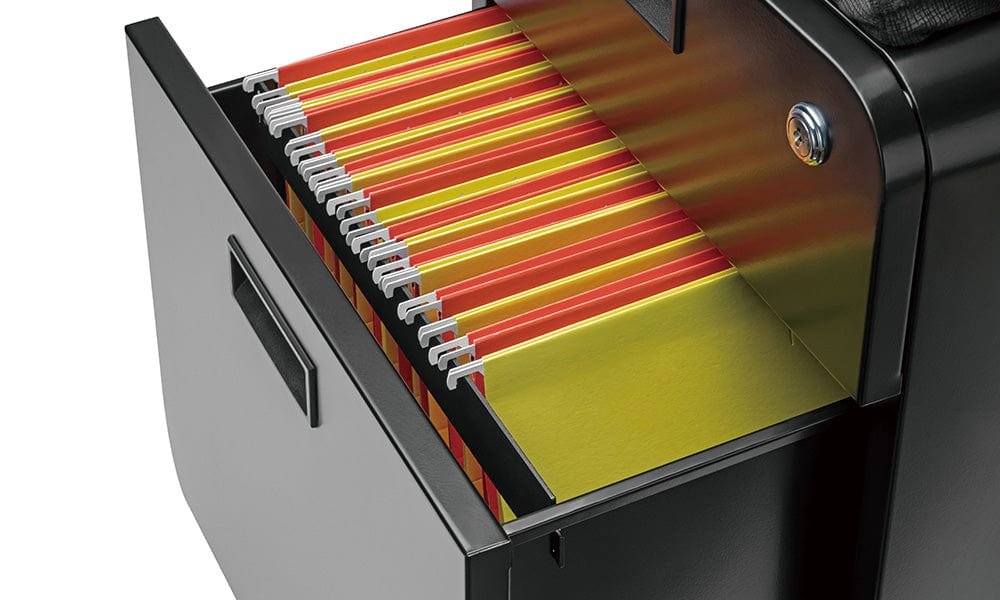
Office filing cabinets are designed to safeguard important documents, but wear and tear or improper use can compromise their security. Some of the most frequent problems include:
- Jammed or stuck locks that prevent access to files
- Broken or lost keys, leaving cabinets inaccessible
- Worn-out locking mechanisms that no longer secure drawers
- Misaligned drawers causing lock failure
- Attempts at forced entry, resulting in damaged hardware
These issues not only disrupt workflow but can also lead to data breaches or loss of sensitive information. Addressing them promptly with effective filing cabinet security repair solutions is vital for maintaining a safe office environment.
Practical Security Repair Solutions for Filing Cabinets
Restoring cabinet security often involves a mix of DIY fixes and professional interventions. Here are some proven approaches:
-
Lock Replacement and Upgrades
If a lock is damaged beyond repair or outdated, replacing it with a new, more secure model is recommended. Modern locks offer enhanced protection and are often easier to operate. For step-by-step instructions, consult a detailed guide on installing a filing cabinet lock. -
Key Duplication and Rekeying
Losing keys is a common problem. Rekeying the lock or duplicating keys ensures continued access without compromising security. -
Drawer Realignment
Misaligned drawers can prevent locks from engaging properly. Adjusting tracks and ensuring smooth operation can resolve many lock issues. -
Lock Lubrication and Maintenance
Regular lubrication prevents jamming and extends the life of locking mechanisms. For more tips, explore how to prevent file cabinet lock jamming with effective maintenance habits. -
Professional Locksmith Services
When DIY fixes are not enough, certified locksmiths can repair or replace locks, extract broken keys, and reinforce cabinet security.

When to Call a Professional for Cabinet Security Repairs
While minor issues can sometimes be resolved with basic tools and know-how, certain situations require expert attention. Consider contacting a locksmith if you encounter:
- Repeated lock failures or persistent jamming
- Lost master keys or compromised security
- Signs of tampering or attempted break-ins
- Complex lock systems or electronic locking mechanisms
Professional technicians have the experience and equipment to handle advanced repairs, ensuring your filing cabinets meet current security standards. For those interested in tackling minor issues themselves, a DIY file cabinet lock repair guide can help you save time and money on simple fixes.
Preventive Maintenance for Long-Term Security
Proactive maintenance is key to avoiding costly repairs and keeping your office storage secure. Here are some best practices:
- Inspect locks and drawers regularly for signs of wear or damage
- Lubricate moving parts every few months to prevent sticking
- Train staff on proper use and handling of filing cabinets
- Keep an inventory of keys and restrict access to authorized personnel
- Upgrade to modern locking systems as older hardware becomes obsolete
Following these steps can significantly reduce the risk of lockouts, unauthorized access, and data loss. If you’re planning to install a new lock, the file cabinet lock installation guide offers practical advice for a smooth process.
Choosing the Right Security Solution for Your Office
Every office has unique security needs. Factors such as the type of documents stored, the number of users, and the level of confidentiality required should guide your choice of filing cabinet security repair solutions. Here’s how to evaluate your options:
- Assess the sensitivity of stored information and compliance requirements
- Consider the frequency of cabinet use and potential for wear
- Evaluate the benefits of mechanical vs. electronic locks
- Balance cost with the level of security needed
- Consult with security professionals for tailored recommendations
For those looking to upgrade or replace outdated locks, you can replace file cabinet lock easily with step-by-step installation advice.
FAQ: Filing Cabinet Security and Repairs
How do I know if my filing cabinet lock needs professional repair?
If you notice recurring jamming, difficulty turning the key, or visible damage to the lock or cabinet, it’s best to consult a locksmith. These signs often indicate underlying issues that DIY fixes may not resolve.
Can I upgrade my filing cabinet to a more secure lock?
Yes, most cabinets can be fitted with new locking mechanisms, including high-security or electronic locks. Upgrading improves protection and can extend the lifespan of your office storage.
What should I do if I lose all keys to a locked cabinet?
If you’ve lost all access, a professional locksmith can open the cabinet without causing damage and provide new keys or rekey the lock for continued security.
How often should I maintain my filing cabinet locks?
It’s recommended to inspect and lubricate locks every three to six months, depending on usage. Regular maintenance helps prevent problems and ensures smooth operation.
Are there DIY solutions for minor filing cabinet lock issues?
Simple problems like minor jams or loose screws can often be fixed with basic tools. However, for persistent or complex issues, professional assistance is advised to avoid further damage.