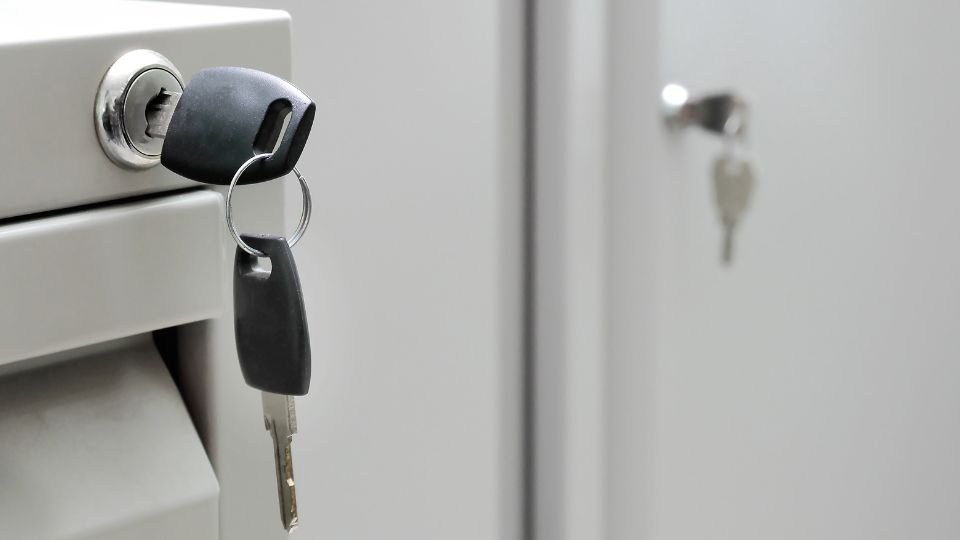
Keeping your file cabinet locks in smooth working order is essential for both security and convenience. When a lock jams, it can disrupt your workflow, compromise sensitive documents, and even lead to costly repairs. Fortunately, with a few practical habits and regular care, you can prevent file cabinet lock jamming and extend the life of your office furniture.
This guide covers proven maintenance routines, troubleshooting tips, and expert advice to help you avoid stuck or malfunctioning locks. Whether you manage a busy office or want to safeguard important files at home, adopting these habits will save you time and frustration.
For those facing persistent issues or internal lock damage, consider exploring professional file cabinet lock repair for expert solutions. Addressing problems early can help you avoid more complex repairs down the line.
Why File Cabinet Locks Jam
Understanding the root causes of a jammed lock is the first step toward prevention. File cabinet locks are subject to frequent use, exposure to dust, and sometimes even accidental misuse. Common reasons for sticking or jamming include:
- Dirt and debris buildup inside the lock cylinder
- Lack of regular lubrication
- Misaligned or bent locking mechanisms
- Corrosion or rust on internal components
- Worn or damaged keys
By identifying these factors, you can tailor your maintenance routine to address the specific risks your cabinets face.
Routine Maintenance to Prevent Lock Issues
Consistent care is the most effective way to avoid file cabinet lock jamming. Here are some practical habits to incorporate into your regular office or home maintenance schedule:
-
Clean the Lock Cylinder
Use a can of compressed air to blow out dust and debris from the keyway. Avoid inserting sharp objects, which can damage the pins inside. -
Lubricate Regularly
Apply a graphite-based lubricant or a dry Teflon spray specifically designed for locks. Avoid oil-based products, which can attract more dirt. For detailed guidance, see this resource on lubricating file cabinet lock. -
Inspect for Rust and Corrosion
Moisture can cause metal components to corrode, leading to sticking or complete lock failure. If you notice any signs of rust, follow a step-by-step process for file cabinet lock rust removal to restore smooth operation. -
Check Key and Lock Alignment
Bent keys or misaligned lock barrels can cause jamming. Always use the correct key and avoid forcing it if you feel resistance. -
Operate Gently
Avoid slamming drawers or turning the key with excessive force. Gentle handling reduces wear and tear on the internal mechanism.

Choosing the Right Lubricant for Smooth Operation
One of the most overlooked aspects of lock care is selecting the appropriate lubricant. Not all products are suitable for file cabinet locks. Oil-based sprays like WD-40 can provide temporary relief but may attract dust and gum up the mechanism over time. For a thorough discussion on this topic, check out the pros and cons of WD40 for file cabinet lock fix.
For most cabinets, a dry graphite powder or a silicone-based spray is recommended. These lubricants reduce friction without leaving a sticky residue, helping to keep file cabinet locks from jamming over the long term.
Addressing Internal Damage and Persistent Jamming
If you’ve followed all maintenance steps and still experience problems, the lock may have internal damage. Signs include keys that turn but do not unlock, or locks that jam even after cleaning and lubrication. In such cases, a more in-depth repair may be necessary. Learn about file cabinet lock internal damage fix to understand when DIY fixes are possible and when to call a professional.
Attempting to force a jammed lock can worsen the problem, potentially breaking the key or damaging the lock body. If you’re unsure, it’s best to consult a locksmith for a safe and effective solution.

Expert Tips for Long-Term Lock Health
Beyond regular cleaning and lubrication, there are additional steps you can take to ensure your file cabinet locks remain reliable:
- Keep spare keys in a safe place to avoid using worn or bent keys.
- Train staff or family members on proper lock operation to minimize accidental damage.
- Periodically check that cabinet drawers are aligned and not overloaded, as misalignment can stress the lock mechanism.
- If you notice recurring issues, schedule a professional inspection before a complete lockout occurs.
For more advanced troubleshooting, resources like DIY filing cabinet lock repair guides can offer step-by-step instructions, but always weigh the risks of DIY versus professional help.
FAQ: File Cabinet Lock Maintenance
How often should I lubricate my file cabinet lock?
It’s best to lubricate your file cabinet lock every six months, or more frequently if you operate in a dusty or humid environment. Regular lubrication keeps the mechanism moving smoothly and helps prevent sticking or jamming.
What should I do if my key gets stuck in the lock?
If your key is stuck, avoid forcing it. Gently wiggle the key while pulling it out. If it remains stuck, try using a graphite lubricant. Persistent issues may indicate internal damage, in which case professional assistance is recommended.
Can I use household oils to lubricate my file cabinet lock?
Household oils are not ideal for locks, as they can attract dust and create a sticky buildup. Instead, use graphite powder or a dry lubricant designed for locks to ensure long-term, smooth operation.
When should I call a locksmith for a jammed file cabinet lock?
If cleaning and lubrication do not resolve the issue, or if the lock is damaged or the key breaks off inside, it’s time to contact a locksmith. Professional help ensures the lock is repaired or replaced safely and efficiently.
Conclusion
Developing good maintenance habits is the key to avoiding file cabinet lock jamming. Regular cleaning, proper lubrication, and gentle operation will keep your locks functioning smoothly for years. Address minor issues promptly to prevent more serious problems, and don’t hesitate to seek expert help when needed. With these strategies, you can protect your important documents and maintain a secure, efficient workspace.