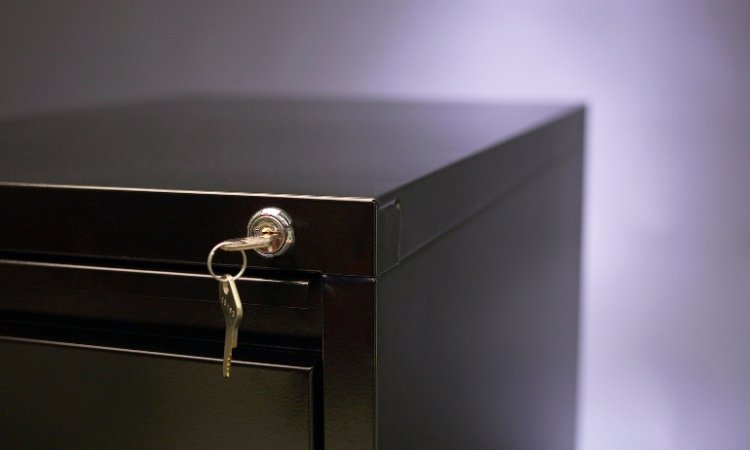
Stiff or squeaky file cabinet locks are a common frustration in offices and homes. Over time, dust, debris, and lack of maintenance can cause these locks to become difficult to turn, risking key breakage or even lockouts. Lubricating file cabinet lock mechanisms is a simple, effective way to restore smooth operation and extend the life of your storage units.
This guide covers the best lubricants for file cabinet locks, step-by-step instructions for applying them, and tips to prevent common issues like sticking or jamming. We’ll also highlight related maintenance resources, so you can keep your cabinets secure and functional for years to come.
Before diving into lubricant choices, it’s important to address any underlying issues. If your lock feels gritty, consider a thorough cleaning. For guidance on removing corrosion and buildup, see file cabinet lock rust removal.
Why Regular Maintenance Matters for Cabinet Locks
File cabinet locks are exposed to frequent use, environmental dust, and sometimes even moisture. Without regular attention, these factors can lead to:
- Difficulty inserting or turning the key
- Grinding or squeaking noises
- Lock jamming or sticking
- Potential lock failure or key breakage
Routine lubrication not only prevents these problems but also helps maintain the security of your files. It’s a quick task that can save you from expensive repairs or emergency locksmith visits.
Choosing the Right Lubricant for File Cabinet Locks
Not all lubricants are suitable for locks. The wrong product can attract dust, gum up the mechanism, or even damage internal components. Here are the most effective options for lubricating file cabinet lock cylinders and latches:
- Graphite Powder: A dry lubricant that won’t attract dirt. Ideal for most lock types, especially in dusty environments.
- Silicone-Based Sprays: These offer smooth action and resist moisture, making them excellent for metal locks.
- PTFE (Teflon) Sprays: Provide long-lasting lubrication and repel grime. Suitable for both home and office cabinets.
- Specialized Lock Lubricants: Products designed specifically for locks, often combining the benefits of dry and wet lubricants.
Avoid using oil-based products like WD-40 for long-term lock care. While they can offer temporary relief, they tend to attract dust and can cause sticky buildup over time.
Step-by-Step: How to Lubricate a File Cabinet Lock
Follow these steps to ensure your lock operates smoothly and safely:
- Clean the Lock: If possible, use compressed air to blow out dust and debris from the keyway.
- Apply Lubricant: Insert the nozzle of your chosen lubricant into the keyhole. For graphite powder, a gentle squeeze is enough. For sprays, a quick burst will do.
- Work the Key: Insert and turn the key several times to distribute the lubricant throughout the mechanism.
- Wipe Away Excess: Use a clean cloth to remove any residue from the lock face and surrounding area.
- Test the Lock: Ensure the key turns smoothly and the lock engages and disengages without resistance.
If you notice persistent issues after lubrication, the problem may be mechanical. For latch or spring problems, refer to resources like file cabinet lock latch repair or file cabinet lock spring repair for targeted solutions.

Top Products for Smooth File Cabinet Lock Operation
When selecting a lubricant, look for products specifically labeled for lock use. Here are some of the most recommended options:
- Lock-Ease Graphited Lock Fluid: Combines graphite with a fast-evaporating carrier for easy application.
- 3-IN-ONE Lock Dry Lube: PTFE-based, dries quickly, and doesn’t attract dirt.
- DuPont Teflon Silicone Lubricant: Offers excellent water resistance and long-lasting performance.
- CRC Dry Graphite Lube: A reliable choice for high-traffic office cabinets.
Always follow the manufacturer’s instructions for best results. If you’re unsure which product to choose, a locksmith can recommend the right solution for your specific cabinet model.
Common Mistakes to Avoid When Maintaining Cabinet Locks
Proper care is essential, but certain missteps can cause more harm than good. Avoid these pitfalls:
- Over-lubricating: Excess lubricant can drip inside the cabinet, attracting dust and causing sticky buildup.
- Using the Wrong Product: Household oils and greases are not suitable for locks and can gum up the mechanism.
- Neglecting Cleaning: Lubricant applied over dirt or rust simply masks the problem. Always clean before lubricating.
- Forcing the Key: If the lock resists after lubrication, forcing it may break the key. Investigate further or consult a professional.
If you’re dealing with a lock that’s severely jammed, or if you’ve lost the key, it’s best to seek help from a locksmith. For more on non-destructive entry, see this detailed guide on opening a filing cabinet lock safely.
How Often Should You Lubricate File Cabinet Locks?
For most environments, lubricating every 6–12 months is sufficient. In dusty or high-use settings, quarterly maintenance is recommended. If you notice resistance, noise, or sticking, don’t wait—apply lubricant as soon as possible to prevent further damage.
Regular attention also helps you spot early signs of wear, such as loose locking bars or weakened springs. If you encounter these issues, resources like how to fix locking bar in file cabinet offer step-by-step repair advice.
FAQs About File Cabinet Lock Lubrication
What’s the safest lubricant for file cabinet locks?
Dry lubricants like graphite powder or PTFE sprays are generally the safest options. They don’t attract dust and provide smooth, long-lasting action. Avoid oil-based products, which can gum up over time.
Can I use WD-40 on my cabinet lock?
WD-40 can provide temporary relief for a stuck lock, but it’s not recommended for ongoing maintenance. It tends to attract dust and can cause sticky buildup. For best results, use a lubricant designed specifically for locks.
How do I know if my lock needs more than lubrication?
If lubrication doesn’t resolve stiffness, or if you notice grinding, rattling, or the key won’t turn at all, there may be a mechanical issue. In these cases, check for rust, broken springs, or misaligned parts. For in-depth repairs, consult guides like file cabinet central locking system repair or contact a professional locksmith.
Is it safe to lubricate electronic or smart file cabinet locks?
Always check the manufacturer’s instructions before applying any lubricant to electronic locks. Some models have sealed mechanisms or require specific products. When in doubt, consult a locksmith or the lock’s manual.
Conclusion
Keeping your file cabinet locks in top condition is straightforward with the right approach. By choosing the correct lubricant, cleaning regularly, and following best practices, you’ll ensure smooth operation and long-lasting security. If you encounter persistent problems or need expert help, don’t hesitate to reach out to a locksmith for professional assistance.