File cabinets are essential for keeping documents organized and secure in offices, schools, and homes. When a lock fails, is lost, or no longer provides adequate protection, selecting the right replacement is crucial for both security and convenience. Choosing file cabinet replacement lock solutions involves more than picking the first available option; it requires understanding the features that make a lock reliable, compatible, and easy to use. This article explores the key considerations, practical tips, and important features to help you make an informed decision.
Before diving into the main features to consider, it’s worth noting that upgrading your locking system can also improve overall security and convenience. For those interested in advanced protection, check out the high security file cabinet lock replacement guide for top-rated solutions.
Understanding Your File Cabinet Locking Needs
Not all cabinets or environments require the same level of security. The first step in choosing file cabinet replacement lock hardware is to assess your specific needs:
- Type of documents stored: Are you keeping confidential records, financial information, or sensitive client data?
- Frequency of access: Will the cabinet be opened multiple times a day or only occasionally?
- Location: Is the cabinet in a shared office, a public area, or a private workspace?
- Existing lock type: What kind of lock is currently installed—cam lock, plunger lock, or another style?
Understanding these factors helps narrow down the options and ensures you select a lock that matches your security requirements and daily workflow.
Key Features to Consider When Selecting a Replacement Lock
When evaluating replacement locks, several features stand out as particularly important. Here are the main aspects to look for:
1. Lock Type and Compatibility
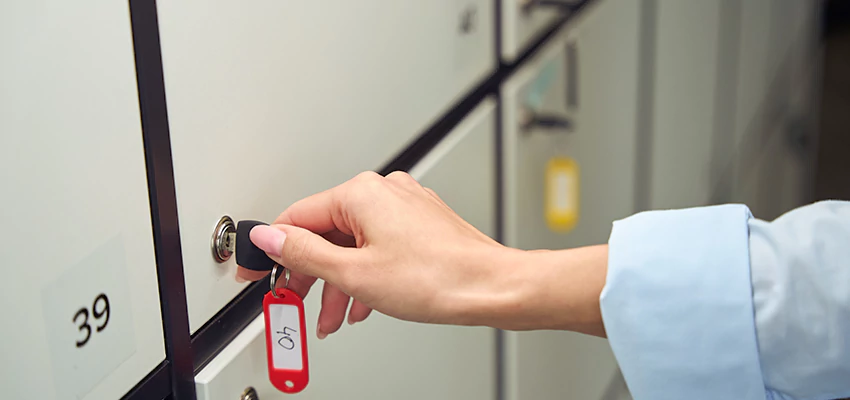
File cabinets come with various locking mechanisms, including cam locks, tubular locks, plunger locks, and electronic locks. The replacement must be compatible with your cabinet’s design and dimensions. Measure the diameter and length of the existing lock cylinder, and check the mounting hole size to ensure a proper fit. If you’re unsure, consult the cabinet’s manual or manufacturer specifications.
For those managing multiple cabinets, consider systems that support file cabinet master key system repair to simplify access and maintenance across several units.
2. Security Level
Security is a top priority, especially for cabinets storing sensitive or valuable documents. Look for locks with features such as:
- Pick resistance: Advanced pin or disc mechanisms make unauthorized access more difficult.
- Drill resistance: Hardened steel inserts protect against forced entry attempts.
- Key control: Restricted keyways prevent unauthorized duplication of keys.
If you require enhanced protection, consider upgrading to a high-security lock system. For more information on modern security upgrades, see the article on how to upgrade your file cabinet lock system.
3. Ease of Installation
Some replacement locks are designed for quick, tool-free installation, while others may require drilling or cabinet modification. If you’re not comfortable with DIY installation, or if the process seems complex, consider hiring a professional locksmith. For a step-by-step overview, refer to this detailed guide on installing a filing cabinet lock.
Also, keep in mind that improper installation can compromise security or damage the cabinet, so always follow manufacturer instructions closely.
4. Keyed vs. Keyless Options
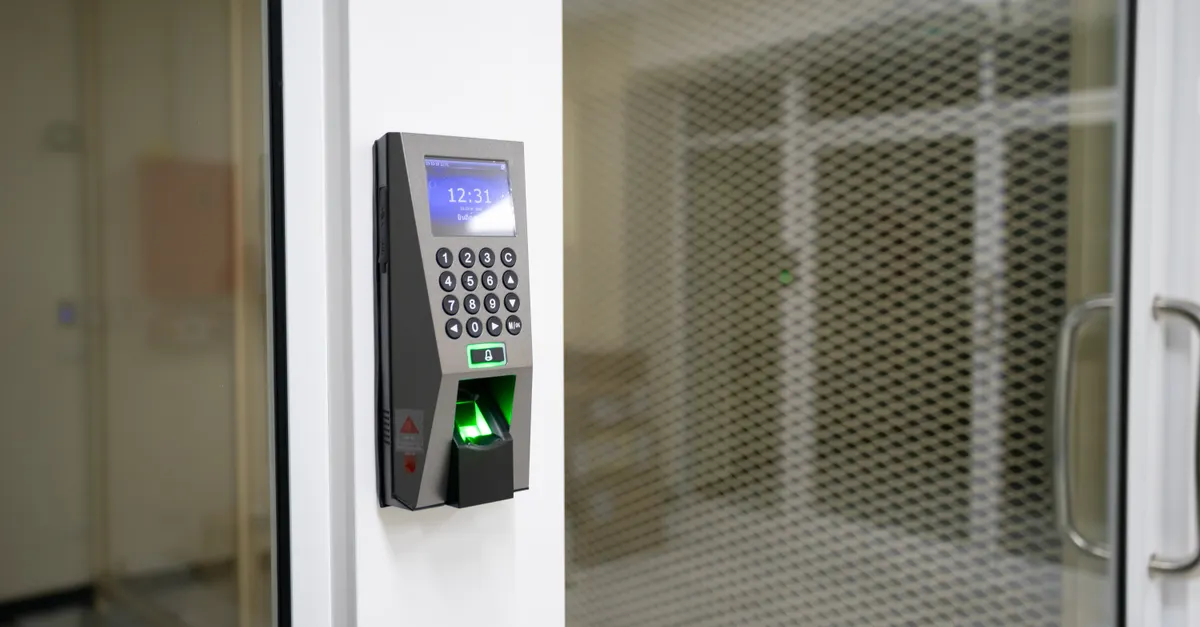
Traditional keyed locks are common, but keyless options such as combination locks or electronic keypad locks are increasingly popular. Keyless systems offer benefits like:
- Eliminating the risk of lost or stolen keys
- Allowing easy code changes for improved security
- Providing audit trails in some electronic models
However, electronic locks may require batteries and can be more expensive. Consider the trade-offs between convenience, cost, and security for your specific situation.
5. Durability and Build Quality
Look for locks made from robust materials such as zinc alloy, stainless steel, or brass. A well-built lock will withstand frequent use and resist tampering. Check for smooth operation, solid construction, and a reputable manufacturer warranty.
Cost and Value Considerations
Price is always a factor, but it shouldn’t be the only consideration. Cheaper locks may offer less protection or wear out faster, while higher-end models provide better security and longevity. For a breakdown of what to expect, review the cost to repair file cabinet lock guide for pricing insights and estimates.
Balance your budget with your security needs to find the best value. Investing in a quality lock can save money in the long run by reducing the risk of unauthorized access or costly repairs.

Common Mistakes to Avoid When Replacing File Cabinet Locks
Even with the best intentions, it’s easy to overlook important details during the replacement process. Here are some pitfalls to avoid:
- Ignoring compatibility: Always verify that the new lock fits your cabinet’s existing cutout and mechanism.
- Underestimating security needs: Don’t choose the cheapest option if you store sensitive or valuable items.
- Neglecting spare keys or codes: Ensure you have backup keys or a way to recover/reset codes in case of lockouts.
- Attempting forced entry: If you’re locked out, avoid damaging the cabinet. Explore file cabinet lock pick alternatives or call a professional locksmith.
Taking the time to research and plan your replacement will help you avoid unnecessary frustration and expense.
Maintaining Your New Lock for Longevity
Once your new lock is installed, regular maintenance ensures it continues to function smoothly and securely. Here are some simple tips:
- Lubricate the lock cylinder annually with a graphite-based lubricant.
- Check for loose screws or mounting hardware and tighten as needed.
- Test all keys or codes periodically to ensure reliable access.
- Keep a record of key numbers or code changes for future reference.
Proper care extends the life of your lock and helps maintain the security of your documents.
Frequently Asked Questions
What is the most secure type of file cabinet lock?
High-security locks with features like pick resistance, restricted keyways, and hardened steel construction offer the best protection. Electronic keypad locks can also provide advanced security, especially when paired with audit trails and code management.
Can I install a replacement lock myself?
Many replacement locks are designed for DIY installation, especially if they match the dimensions of your existing lock. However, if the process requires drilling or cabinet modification, or if you’re unsure about compatibility, it’s best to consult a professional locksmith.
What should I do if I lose the key or forget the code to my new lock?
If you lose access, first check if you have a spare key or recovery code. For keyless locks, follow the manufacturer’s reset instructions. If you’re unable to regain access, contact a locksmith who can provide file cabinet lock pick alternatives or help you open the cabinet without causing damage.
Conclusion
Making the right choice when choosing file cabinet replacement lock solutions ensures your documents stay secure and accessible. By considering compatibility, security features, ease of installation, and durability, you can select a lock that meets your needs and budget. Don’t overlook the value of professional advice or installation when needed, and remember that regular maintenance will keep your new lock working reliably for years to come.