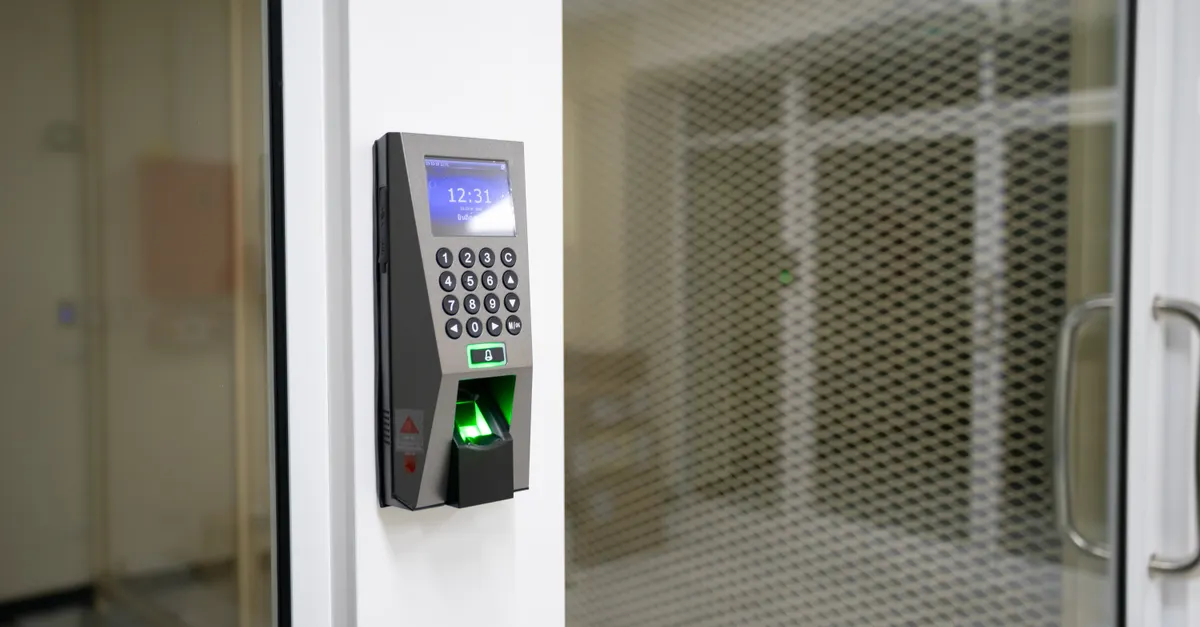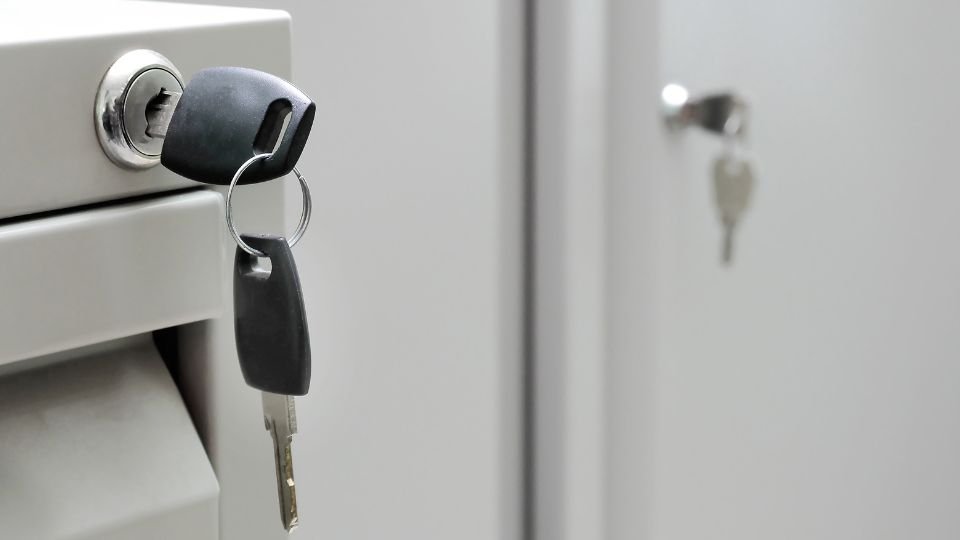
File cabinets are a staple in offices, schools, and even homes for keeping sensitive documents and valuables protected. However, even the most robust storage solutions can become vulnerable if their locking mechanisms fail. Anti theft file cabinet lock repair is a crucial step in maintaining the integrity of your security system and ensuring your confidential materials remain safe from unauthorized access.
Whether you’re dealing with a jammed lock, a lost key, or a worn-out mechanism, understanding the repair process and available solutions can help you restore your cabinet’s protection quickly and effectively. This guide will walk you through common issues, repair options, and tips for choosing the right parts and services to keep your files secure.
If you’re considering upgrading your cabinet’s protection, you might also want to explore the best file cabinet locks for security to find top-rated options for enhanced peace of mind.
Why File Cabinet Lock Security Matters
File cabinets often house sensitive information—financial records, personal data, legal documents, and more. If the lock is compromised, it can lead to data breaches, theft, or loss of privacy. Regular maintenance and timely file cabinet lock repair are essential for:
- Preventing unauthorized access to confidential files
- Complying with data protection regulations in workplaces
- Protecting valuables and personal information at home
- Maintaining organizational trust and operational continuity
Ignoring a faulty lock can have consequences far beyond inconvenience. Addressing issues promptly ensures your cabinet continues to serve as a reliable line of defense.
Common Problems with Anti-Theft File Cabinet Locks
Even high-quality anti-theft locks can develop issues over time. Some of the most frequent problems include:
- Key won’t turn or is stuck: This may be due to debris, misalignment, or internal wear.
- Lock cylinder spins freely: Indicates a broken or disconnected cam or tailpiece.
- Key breaks inside the lock: A common issue with older or heavily used locks.
- Lost or stolen keys: Compromises security and requires immediate attention.
- Lock won’t latch or engage: Often caused by misaligned parts or worn components.
Identifying the root cause is the first step toward effective anti theft file cabinet lock repair. In some cases, a simple cleaning or lubrication may suffice; in others, part replacement or professional intervention is necessary.
Step-by-Step Guide to Repairing File Cabinet Locks
Repairing a file cabinet lock can range from a simple fix to a more involved process, depending on the issue. Here’s a general approach:
- Assess the Problem: Try to determine if the issue is with the key, the cylinder, or internal components.
- Remove the Lock: Most file cabinet locks are secured with a retaining clip or screw inside the drawer. Carefully remove the lock for inspection.
- Clean and Inspect: Use compressed air to clear debris. Check for visible damage or worn parts.
- Replace Damaged Components: If the cam, tailpiece, or cylinder is broken, replacement parts may be needed. For guidance on compatibility, review this file cabinet lock brand compatibility resource.
- Lubricate Moving Parts: A graphite-based lubricant can help resolve sticking or stiffness.
- Reinstall and Test: Secure the lock back in place and test with the key to ensure smooth operation.
For more detailed instructions, you can refer to this step-by-step guide to repairing a broken filing cabinet lock.
When to Replace Instead of Repair
Sometimes, repairing an old or severely damaged lock isn’t practical. Consider a full replacement if:
- The lock is rusted, corroded, or physically broken
- Keys have been lost and the lock cannot be rekeyed
- You want to upgrade to a higher-security model
- The lock is incompatible with available replacement parts
Modern universal solutions are available for many cabinet types. For a straightforward upgrade, check out universal file cabinet lock replacement options that fit most standard models.
Choosing the Right Replacement Lock or Parts
Not all file cabinet locks are created equal. When selecting a replacement or repair part, consider:
- Size and Fit: Measure your lock and cabinet opening. For help, consult a file cabinet lock size guide.
- Brand Compatibility: Some cabinets require specific lock brands or models.
- Security Features: Look for anti-drill, anti-pick, or key control features for added protection.
- Ease of Installation: Universal locks can simplify the process if you’re unsure of your cabinet’s specifications.
For those seeking advanced protection, reviewing the features to look for in a file cabinet replacement lock can help you make an informed decision.
Professional vs. DIY Lock Repair
While some minor repairs can be handled with basic tools and patience, certain situations call for professional locksmith services:
- You’re unable to remove a broken key or jammed lock
- The lock mechanism is complex or high-security
- You want to rekey or upgrade to a master key system
- There’s a risk of damaging the cabinet or voiding a warranty
Professional locksmiths have the expertise and tools to address intricate problems, often saving time and preventing further damage. For urgent needs, don’t hesitate to reach out to a 24/7 locksmith service.
Maintenance Tips for Long-Lasting Security
Once your file cabinet lock is repaired or replaced, regular maintenance will help extend its lifespan and keep your documents secure:
- Clean the lock and keyway periodically to remove dust and debris
- Lubricate moving parts annually with a graphite-based product
- Check for signs of wear or tampering
- Store spare keys securely and avoid excessive force when operating the lock
Proactive care reduces the risk of unexpected failures and ensures your cabinet remains a reliable safeguard for your valuables.
Frequently Asked Questions
How do I know if my file cabinet lock needs repair or replacement?
Signs such as difficulty turning the key, a loose or spinning cylinder, or a lock that won’t engage typically indicate a problem. If cleaning and lubrication don’t resolve the issue, or if the lock is physically damaged, replacement may be the best option.
Can I repair a file cabinet lock myself, or should I call a locksmith?
Simple issues like minor jams or cleaning can often be handled DIY. However, if you’re dealing with a broken key, lost keys, or a high-security mechanism, a professional locksmith is recommended to avoid further damage.
What should I look for in a replacement lock for my file cabinet?
Consider the lock’s size, compatibility with your cabinet, security features, and ease of installation. Universal locks are a good choice for many standard cabinets, but always verify measurements and specifications before purchasing.