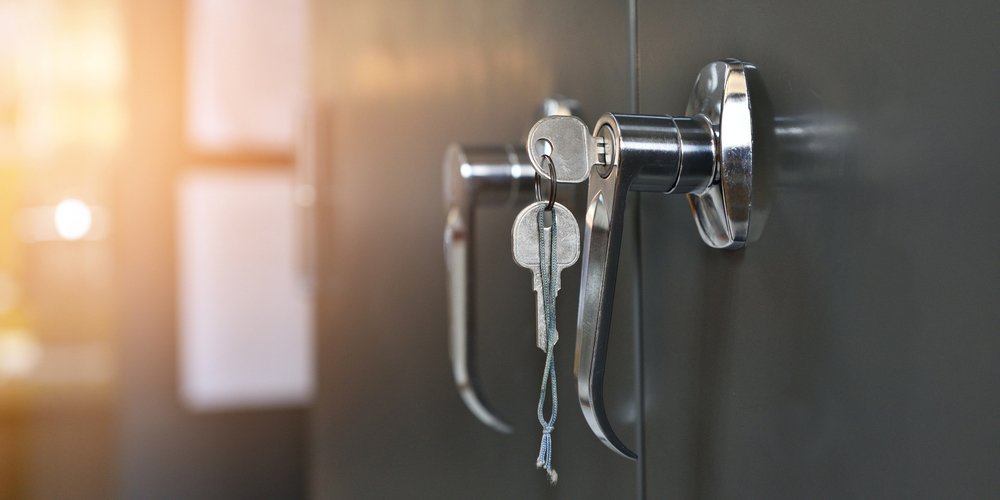
Metal file cabinets are a staple in offices, schools, and homes, offering secure storage for important documents and valuables. However, the locks on these cabinets can become worn, jammed, or even break over time, leading to frustration and potential security risks. Understanding how to address a steel file cabinet lock fix is essential for maintaining both the functionality and security of your storage units.
This guide covers practical repair methods, preventative maintenance, and when to seek professional help for your metal cabinet locks. Whether you’re dealing with a stuck key, a lock that spins freely, or a complete lock failure, you’ll find actionable advice here to restore your cabinet’s security and peace of mind.
For those seeking more specialized guidance, you may also find value in our anti theft file cabinet lock repair resource, which addresses advanced security concerns for office and commercial environments.
Common Issues With Metal File Cabinet Locks
Before attempting any repairs, it’s important to identify the specific problem affecting your cabinet. The most frequent issues with steel file cabinet locks include:
- Key won’t turn – Often caused by debris, misalignment, or worn tumblers inside the lock.
- Lock cylinder spins freely – Indicates a detached or broken locking cam or tailpiece.
- Key stuck or broken inside the lock – Usually results from using excessive force or a worn key.
- Cabinet won’t lock or unlock – May be due to bent locking rods, jammed mechanisms, or misaligned drawers.
Recognizing the root cause helps determine whether a simple fix or a full replacement is needed for your steel file cabinet lock fix.
Step-by-Step Guide to Repairing Steel Cabinet Locks
Follow these steps to address the most common lock issues on metal file cabinets:
1. Lubricate the Lock Mechanism
If the key is difficult to insert or turn, start by applying a graphite-based lubricant or a lock-specific spray. Avoid oil-based products, as they can attract dust and gum up the mechanism. Insert the key and gently turn it back and forth to distribute the lubricant.
2. Remove Obstructions and Debris
Dust, paper fragments, or other debris can block the lock. Use compressed air to clear the keyway. If the key is stuck, gently wiggle it while pulling outward. For broken keys, use needle-nose pliers or a key extractor tool to remove the fragment.
3. Tighten or Replace the Locking Cam
If the lock cylinder spins without engaging, the locking cam (the metal piece at the rear of the lock) may be loose or broken. Open the cabinet, locate the retaining nut or screw at the back of the lock, and tighten it. If the cam is damaged, remove it and install a replacement compatible with your cabinet model.

4. Adjust or Replace Locking Rods and Bars
Vertical and lateral file cabinets often use rods or bars to secure multiple drawers. If a drawer won’t lock, inspect these components for bends, misalignment, or disconnection. Realign or replace as needed. For more details on these mechanisms, see our vertical file cabinet lock repair and lateral file cabinet lock repair guides.
5. Replace the Lock Cylinder
If the lock is beyond repair, replacing the cylinder is often the most reliable solution. Remove the retaining nut or clip, slide out the old lock, and insert a new one designed for metal cabinets. Ensure the new cylinder matches the thickness and cutout shape of your cabinet for a secure fit.
Choosing the Right Replacement Parts
When sourcing replacement locks or parts, consider the following:
- Manufacturer compatibility – Not all locks are universal. Check your cabinet brand and model for recommended replacements.
- Lock type – Options include cam locks, plunger locks, and electronic locks. Choose based on your security needs and usage patterns.
- Keyed alike vs. keyed different – Decide if you want multiple cabinets to use the same key or unique keys for each unit.
For a comprehensive overview of replacement options and installation tips, refer to this file cabinet lock replacement guide from industry experts.
Preventative Maintenance for Metal Cabinet Locks
Regular care can extend the life of your cabinet locks and reduce the frequency of repairs. Here are some preventative measures:
- Clean the lock and keyway periodically with compressed air.
- Lubricate the mechanism every six months using a dry graphite or silicone-based product.
- Avoid excessive force when turning keys or opening drawers.
- Check for loose screws or hardware and tighten as needed.
- Store spare keys in a secure, accessible location to avoid lockouts.
Following these steps will help keep your steel file cabinet locks functioning smoothly and reliably.
When to Call a Professional Locksmith
While many minor issues can be resolved with basic tools and replacement parts, there are situations where professional assistance is the safest and most efficient option:
- The lock is severely damaged or the cabinet is part of a high-security system.
- You’ve lost all keys and need a non-destructive entry.
- There are repeated problems despite multiple repairs.
- You require master keying or upgraded security features.
Professional locksmiths have the expertise and specialized tools to handle complex repairs, rekeying, and upgrades for all types of metal file cabinets. If you’re unsure about tackling a repair yourself, don’t hesitate to reach out for expert help.
Additional Resources for Office Storage Security
For broader maintenance and repair needs, explore our office cabinet lock repair guide for business storage solutions, or learn how to address drawer lock issues with our drawer lock repair office furniture article. These resources provide step-by-step instructions and troubleshooting tips for a wide range of office furniture locks.
Frequently Asked Questions
How do I know if my steel cabinet lock needs to be replaced or just repaired?
If the lock is simply stiff or the key is hard to turn, cleaning and lubricating may solve the problem. However, if the lock cylinder spins freely, the key breaks inside, or the mechanism is visibly damaged, replacement is usually the best option for restoring security and ease of use.
Can I install a new lock on my metal file cabinet myself?
Yes, most standard cam locks and replacement cylinders can be installed with basic hand tools. Be sure to match the size, shape, and mounting style of the original lock. If your cabinet uses a more complex locking system or you’re unsure about compatibility, consult a locksmith for assistance.
What should I do if I’ve lost the only key to my file cabinet?
If you have access to the lock code (often stamped on the face of the lock), you may be able to order a replacement key from the manufacturer. If not, a locksmith can open the cabinet non-destructively and either rekey or replace the lock as needed.
How often should I maintain my cabinet locks?
It’s recommended to clean and lubricate locks every six months, or more frequently in dusty or high-use environments. Regular maintenance helps prevent jams, key breakage, and premature wear.
Addressing a steel file cabinet lock fix promptly ensures your documents and valuables remain secure. Whether you choose a DIY approach or call in a professional, understanding the basics of lock repair and maintenance will help you keep your metal storage units in top condition for years to come.