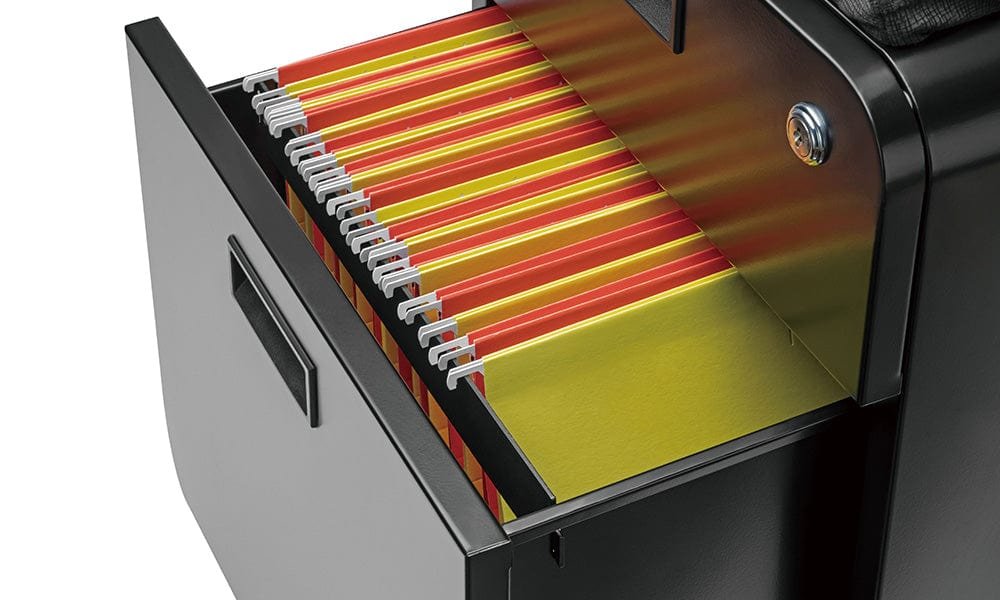
When a file cabinet lock stops working, it can disrupt your workflow and compromise the security of sensitive documents. Understanding the file cabinet lock failure causes is essential for both prevention and effective troubleshooting. Whether you’re managing office storage or keeping personal files secure at home, knowing what leads to a malfunctioning lock will help you take the right steps to restore access and maintain security.
This guide explores the most common reasons locks on file cabinets fail, how to identify the root of the problem, and practical solutions for each scenario. You’ll also find advice on when to attempt repairs yourself and when it’s best to call a professional locksmith. For those dealing with specific types of cabinets, such as timber models, you may want to review resources like the wooden file cabinet lock repair guide for tailored advice.
Understanding the Most Common Reasons for Lock Malfunctions
File cabinet lock issues can arise from a variety of sources. Some are related to wear and tear, while others stem from environmental factors or improper use. Below are the leading contributors to lock failures:
- Key Wear or Damage: Over time, keys can become bent, worn, or even break off inside the lock, making it impossible to turn or insert the key properly.
- Internal Mechanism Failure: The internal pins, tumblers, or wafers inside the lock cylinder may wear down, become misaligned, or jam due to debris or lack of lubrication.
- Misalignment of Locking Components: Frequent use or rough handling can cause the locking bar or cam to shift out of position, preventing the lock from engaging or disengaging.
- Environmental Factors: Exposure to moisture, dust, or temperature fluctuations can cause rust, corrosion, or swelling of wooden cabinet parts, affecting the lock’s operation.
- Improper Installation: Locks that were not installed correctly may never function smoothly, and installation errors can worsen over time.
If you’re dealing with a specialized cabinet, such as vertical models with rod and bar mechanisms, the vertical file cabinet lock repair resource offers targeted troubleshooting steps.
Key-Related Issues and How to Address Them
One of the most frequent file cabinet lock failure causes is related to the key itself. Here’s what to look for and how to resolve these problems:
- Bent or Worn Keys: If the key feels loose or requires excessive force to turn, inspect it for visible bends or worn teeth. Using a damaged key can further harm the lock mechanism.
- Broken Key in Lock: A snapped key can leave a fragment inside the cylinder, blocking access. In such cases, use needle-nose pliers to gently extract the piece, or contact a locksmith for safe removal.
- Lost or Duplicate Keys: Using poorly cut duplicates can cause jamming. Always have keys copied by a reputable locksmith to ensure proper fit.
For office environments with multiple users, misplaced or duplicated keys are a common headache. Consider a master key system or digital lock upgrade to minimize these risks.

Mechanical Failures Inside the Lock Cylinder
Another significant reason for a lock not working is internal mechanical failure. The moving parts inside the lock can become jammed or worn out, especially in high-traffic environments. Signs of internal failure include:
- The key turns but the lock does not open or close.
- The lock feels gritty or sticky when turning the key.
- The lock cylinder spins freely without engaging the mechanism.
To address these issues, try applying a graphite-based lubricant to the keyhole. Avoid oil-based lubricants, as they can attract dust and worsen the problem. If lubrication doesn’t help, the lock cylinder may need to be replaced. For step-by-step installation advice, consult a professional guide on installing a filing cabinet lock.
In some cases, the locking bar or cam may have become disconnected from the cylinder. This often requires removing the lock for inspection and realignment. If you’re unsure, a locksmith can quickly diagnose and fix the issue.
Environmental and Usage Factors Leading to Lock Problems
Environmental conditions and daily use can accelerate wear and tear on file cabinet locks. Here are some common contributors:
- Rust and Corrosion: Cabinets placed in humid or damp areas are prone to rust, which can seize up the lock mechanism.
- Dust and Debris: Fine particles can accumulate inside the lock, causing it to jam or operate roughly.
- Swelling or Warping: Wooden cabinets may swell or warp due to moisture, misaligning the lock and making it difficult to operate.
Regular cleaning and occasional lubrication help prevent these issues. For wooden furniture, refer to gentle fixes for timber furniture to avoid damaging the cabinet during maintenance.

Installation and Alignment Issues
Improper installation is a less obvious but equally important factor in lock failures. If the lock was not mounted squarely or the strike plate is misaligned, you may experience:
- Difficulty inserting or turning the key.
- The lock not engaging or disengaging fully.
- Excessive force required to operate the lock, leading to premature wear.
To correct these problems, check that the lock and strike plate are properly aligned. Adjust the mounting screws or reposition the strike plate as needed. If you’re unsure about the installation process, the office cabinet lock repair guide provides detailed instructions for business storage solutions.
When to Call a Locksmith for Help
While many minor issues can be fixed with basic tools and a little patience, some situations require professional help. Contact a locksmith if:
- You’ve broken a key off inside the lock and cannot remove it.
- The lock is severely rusted or corroded.
- You suspect internal mechanical failure but cannot access the lock cylinder.
- Security is a concern and you need to upgrade or rekey the lock.
Professional locksmiths have the tools and expertise to diagnose and resolve complex lock problems quickly, minimizing downtime and ensuring your documents remain secure.
Preventive Maintenance Tips for File Cabinet Locks
Regular maintenance is the best way to avoid unexpected lock failures. Here are some practical tips:
- Clean the lock and key regularly to remove dust and debris.
- Apply graphite lubricant every six months to keep the mechanism smooth.
- Inspect keys for signs of wear and replace them before they fail.
- Check alignment of the lock and strike plate after moving or adjusting the cabinet.
- Address signs of rust or corrosion promptly to prevent further damage.
For additional advice on keeping desk and file locks in top condition, see the drawer lock repair office furniture resource.
Frequently Asked Questions
What should I do if my file cabinet lock is stuck and won’t turn?
First, check if the key is bent or worn. If the key appears fine, try applying a graphite-based lubricant to the keyhole and gently wiggle the key. Avoid forcing the key, as this can break it inside the lock. If the lock remains stuck, it may be due to internal debris or misalignment, and professional assistance may be needed.
How can I prevent my file cabinet lock from failing in the future?
Regular maintenance is key. Clean the lock and key, lubricate the mechanism every few months, and inspect for signs of rust or misalignment. Avoid using excessive force and ensure that only properly cut keys are used. Keeping the cabinet in a dry, dust-free environment also helps extend the lock’s lifespan.
Is it possible to repair a file cabinet lock myself, or should I always call a locksmith?
Minor issues, such as cleaning, lubricating, or realigning the lock, can often be handled without professional help. However, if the lock is severely damaged, the key is broken inside, or you’re dealing with a high-security mechanism, it’s best to consult a locksmith to avoid further damage and ensure proper function.