File cabinets play a crucial role in keeping documents secure and organized, but when their locks malfunction, it can disrupt workflow and compromise privacy. Understanding common file cabinet lock problems helps you quickly identify issues and apply the right fixes, whether you’re dealing with a jammed lock, a lost key, or a mechanism that simply won’t turn. This guide covers the most frequent lock troubles, practical troubleshooting steps, and when to consider professional help.
If you’re looking for a step-by-step approach to diagnosing issues, the file cabinet lock troubleshooting guide offers a detailed overview. Below, we’ll explore the typical symptoms, causes, and solutions for the most frequent lock challenges, ensuring your cabinet remains secure and accessible.
Recognizing Typical File Cabinet Lock Issues
Most office and home storage units use cam locks or plunger locks. Over time, these mechanisms can develop faults due to wear, misuse, or environmental factors. Here are some of the most frequent file cabinet lock problems you might encounter:
- Key won’t turn: The key inserts but refuses to rotate, often due to debris, misalignment, or internal damage.
- Key stuck or broken: Keys can become jammed or snap off inside the lock, making access impossible.
- Lock won’t engage or disengage: The locking bar or cam may not move, leaving drawers stuck open or locked shut.
- Loose or spinning lock cylinder: The entire lock turns with the key, usually due to a detached retaining clip or stripped threads.
- Lost or missing keys: Without a backup, accessing the cabinet becomes a challenge.
Identifying the specific symptom is the first step toward resolving the issue and restoring secure access.
Diagnosing and Fixing Key-Related Lock Problems
Key issues are among the most common file cabinet lock problems. If your key won’t turn, first check for visible obstructions or debris inside the keyway. A can of compressed air can help clear dust or small particles. If the key is bent, avoid forcing it, as this can worsen the damage. Try a spare key if available.
For stuck or broken keys, use needle-nose pliers to gently extract the piece. If the broken part is lodged deep inside, a key extractor tool may be necessary. Avoid using sharp objects that could damage the lock’s internal pins. If extraction fails, consult a locksmith to prevent further harm.
If you’ve lost your keys, check if the lock code is stamped on the face of the lock or the original paperwork. Many manufacturers can provide replacement keys if you supply this code. For cabinets with no code, a locksmith can pick or drill the lock and install a new cylinder.
Addressing Lock Mechanism and Cylinder Issues
When the lock cylinder spins freely or feels loose, the retaining clip or nut at the back may have detached. To fix this, open the cabinet (if possible) and inspect the rear of the lock. Tighten the retaining nut or replace the clip as needed. If the threads are stripped, a new lock assembly may be required.
If the locking bar or cam doesn’t engage, internal misalignment or wear could be the cause. Remove the lock and inspect for bent or broken parts. Lubricate moving components with graphite or a silicone-based spray—avoid oil-based lubricants, which can attract dust and gum up the mechanism.
For cabinets made of metal, you may want to refer to the steel file cabinet lock fix resource for durable repair options. Wooden units may require gentler handling, as outlined in the wooden file cabinet lock repair guide.
Preventing and Handling Forced Entry Damage
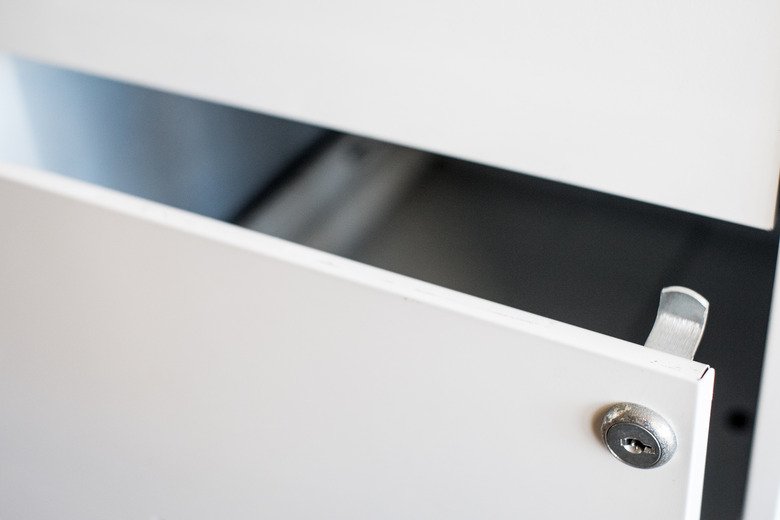
Attempts to force open a locked cabinet can result in bent cams, broken cylinders, or misaligned locking bars. If you notice visible damage or the lock no longer functions after a break-in attempt, it’s important to address both the lock and the cabinet structure. The damaged file cabinet lock solutions article provides guidance on repairing forced entry damage and restoring security.
In severe cases, replacing the entire lock assembly may be the safest option. Always inspect the mounting area for cracks or deformation, as these can compromise the new lock’s effectiveness.
When to Call a Professional Locksmith
While many file cabinet lock problems can be resolved with basic tools and patience, some situations require expert intervention. If you encounter any of the following, it’s best to seek professional help:
- The lock is severely damaged or the key is broken off deep inside.
- You suspect internal mechanism failure or multiple failed repair attempts.
- Security is a top concern and you need to ensure the lock is fully functional.
A qualified locksmith can pick, repair, or replace the lock without damaging the cabinet. For more information on DIY repairs, see this guide to repairing a broken filing cabinet lock for step-by-step instructions.
Maintenance Tips to Prevent Future Lock Issues
Regular maintenance can extend the life of your file cabinet lock and prevent many common problems. Here are some practical tips:
- Clean the keyway periodically with compressed air to remove dust and debris.
- Lubricate the lock with graphite powder or a silicone-based spray every six months.
- Check for loose mounting hardware and tighten as needed.
- Keep spare keys in a secure location to avoid lockouts.
- Inspect the lock for signs of wear or tampering and address issues promptly.
By following these steps, you can minimize disruptions and keep your documents secure.
Frequently Asked Questions
What should I do if my file cabinet key is stuck or broken?
If your key is stuck, gently wiggle it while applying slight pressure. For broken keys, use needle-nose pliers or a key extractor tool to remove the fragment. Avoid forcing the key, as this can worsen the problem. If extraction fails, contact a locksmith for safe removal.
How can I fix a file cabinet lock that spins in place?
A spinning lock cylinder usually means the retaining clip or nut has come loose. Open the cabinet (if possible) and tighten or replace the hardware at the back of the lock. If the threads are stripped, you may need to install a new lock assembly.
Is it possible to replace a file cabinet lock myself?
Yes, most file cabinet locks can be replaced with basic tools. Remove the old lock by accessing the rear mounting hardware, then install a compatible replacement. For step-by-step guidance, consult a file cabinet lock troubleshooting guide or manufacturer instructions.