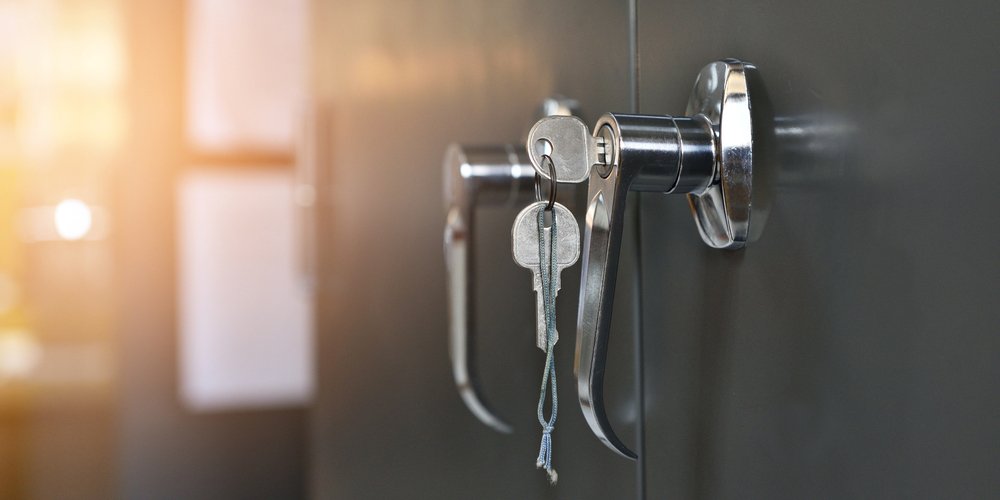
Dealing with a key that has snapped off inside a file cabinet lock can be frustrating, especially when you need quick access to important documents. Fortunately, there are straightforward ways to address this issue without causing further damage to your cabinet or lock. This article provides practical steps to extract a broken key, discusses when to call a professional, and offers tips to prevent such mishaps in the future. Whether your cabinet is metal or wood, these techniques can help restore access and security efficiently.
For those managing metal units, you may also find additional insights in our steel file cabinet lock fix resource, which covers durable solutions for metal file cabinets.
Understanding Why Keys Break in File Cabinet Locks
Before attempting to fix a key broken in a file cabinet lock, it helps to understand why this problem occurs. Most often, keys snap due to:
- Wear and tear: Over time, repeated use can weaken a key, especially if the metal is soft or the key is bent.
- Misalignment: If the lock mechanism is not properly aligned, extra force may be required to turn the key, increasing the risk of breakage.
- Obstructions: Dirt, dust, or debris inside the lock can create resistance, making it harder to insert or turn the key smoothly.
Recognizing these causes can help you avoid similar issues in the future and may inform your approach to extraction and repair.
Essential Tools for Extracting a Broken Key
Having the right tools on hand can make the extraction process much easier. Here are some commonly used items for removing a broken key from a file cabinet lock:
- Needle-nose pliers: Useful for gripping and pulling out the visible part of the broken key.
- Key extractor tool: Specifically designed for removing broken keys from locks, these are available at most hardware stores.
- Paperclip or thin wire: Can be fashioned into a makeshift hook if you don’t have a key extractor.
- Lubricant: Graphite powder or a silicone-based spray can help loosen the key fragment inside the lock.
- Tweezers: For smaller or more delicate extractions.
Before starting, make sure the cabinet is stable and you have adequate lighting to see the lock clearly.
Step-by-Step Guide: Removing a Broken Key from a File Cabinet Lock
Follow these steps to safely extract the broken piece from your cabinet lock:
- Assess the situation: Check if any part of the key is protruding from the lock. If so, you may be able to grasp it with pliers or tweezers.
- Apply lubricant: Spray a small amount of graphite or silicone lubricant into the keyway. This reduces friction and can help the broken piece slide out more easily.
- Use pliers or tweezers: If the broken end is visible, gently grip it and pull straight out. Avoid twisting, as this can wedge the fragment deeper.
- Try a key extractor or wire: If the key is lodged inside, insert a key extractor or a bent paperclip alongside the broken piece. Hook the end and carefully pull it out.
- Check for remaining fragments: Shine a flashlight into the lock to ensure no pieces are left behind. Even a small fragment can prevent a new key from working.
If the key fragment is stuck and won’t budge after several attempts, it may be time to consult a professional locksmith to avoid damaging the lock mechanism.
Alternative Methods and Precautions
Sometimes, standard extraction techniques may not work, especially if the key broke off deep inside the lock or if the lock is jammed. Here are some alternative approaches and important precautions:
- Superglue method: As a last resort, you can try applying a tiny amount of superglue to the end of a thin wire or the remaining key stub, then carefully insert it into the lock to bond with the broken piece. Wait for the glue to set, then gently pull out. Warning: This method carries a risk of gluing the lock shut, so use only if other options fail.
- Avoid excessive force: Forcing tools into the lock can damage the pins or cylinder, leading to more costly repairs.
- Do not use oil-based lubricants: Products like WD-40 can attract dust and gum up the lock over time. Stick to graphite or silicone-based sprays.
Always work patiently and avoid rushing the process, as hasty actions can make the situation worse.
When to Call a Professional Locksmith
While many broken key extractions can be handled with basic tools, certain situations require expert help. Contact a locksmith if:
- The broken piece is deeply lodged and not accessible with standard tools.
- The lock is damaged or jammed after multiple extraction attempts.
- You do not have a spare key and need the lock rekeyed or replaced.
- The file cabinet contains sensitive or valuable documents that require immediate access.
Professional locksmiths have specialized tools and experience to remove broken keys without damaging the lock or cabinet. They can also advise on file cabinet lock replacement options if your lock is beyond repair.
Preventing Future Key Breakages in File Cabinet Locks
Once you’ve resolved the immediate issue, consider these tips to reduce the risk of future key breakages:
- Use keys gently: Avoid forcing the key if it doesn’t turn easily. If resistance is felt, inspect the lock for obstructions.
- Keep locks clean: Periodically clean the keyway with compressed air and apply graphite lubricant to keep the mechanism moving smoothly.
- Replace worn keys: If your key is bent, cracked, or shows signs of wear, have a new one cut before it breaks.
- Address lock issues early: If you notice sticking or difficulty turning the key, consult resources on file cabinet lock failure causes to diagnose and fix the problem before it leads to a breakage.
Taking these preventive measures can extend the life of your cabinet lock and minimize disruptions to your workflow.
FAQ: Broken Key Extraction from File Cabinet Locks
Can I remove a broken key without special tools?
Yes, if part of the key is visible, you can often use household items like needle-nose pliers or tweezers. For keys lodged deeper, a bent paperclip or thin wire may help. However, specialized key extractors are more effective and reduce the risk of damaging the lock.
Will extracting the broken key damage my file cabinet lock?
When done carefully, extraction should not harm the lock. Avoid using excessive force or inappropriate tools. If you’re unsure or the key is stuck, it’s best to call a locksmith to prevent further damage.
What should I do if the lock still won’t work after removing the broken key?
Sometimes, small fragments remain inside or the lock mechanism is damaged. In such cases, clean the lock thoroughly and test with a spare key. If issues persist, consider professional repair or review damaged file cabinet lock solutions for guidance on next steps.